
COP30 advances the collective development of the NAP Implementation Alliance
Participatory process brings together international stakeholders to strengthen coordination and turn adaptation plans into concrete investments
Text: Rafael Campos/COP30
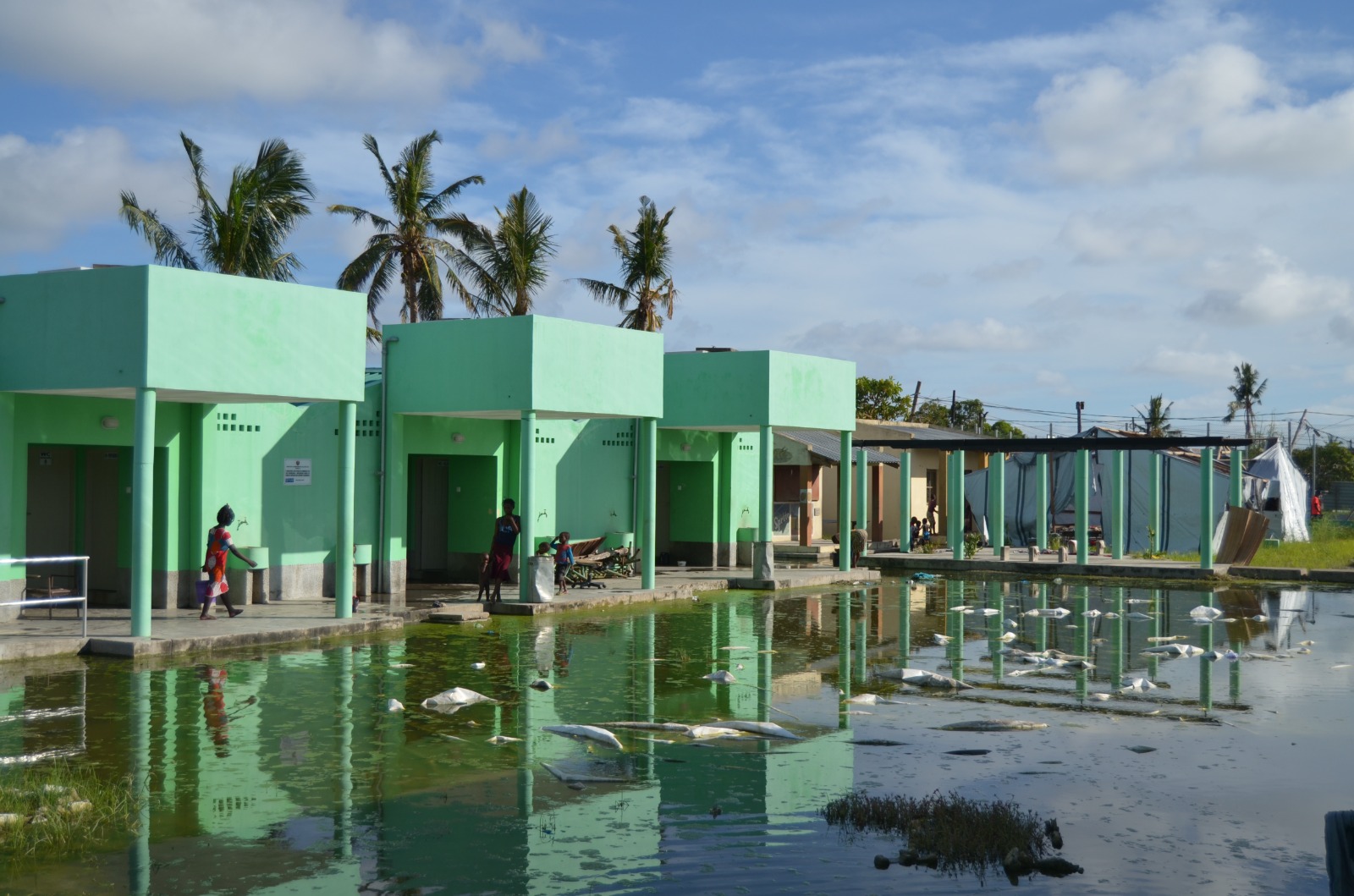
The COP30 Presidency is leading a collaborative process to shape the NAP Implementation Alliance, an initiative under the Action Agenda aimed at strengthening coordination among the various actors that provide financing and technical support to developing countries, in order to accelerate the implementation of National Adaptation Plans (NAPs), which define each country’s priorities in addressing the impacts of climate change.
Launched as one of the Action Agenda’s Plans to Accelerate Solutions (PAS), the Alliance responds to one of the key challenges of current climate action: translating national adaptation priorities into concrete investments and structured project pipelines capable of attracting finance. As an increasing number of countries have already developed their NAPs, global attention is shifting toward ensuring their effective implementation, in a context marked by a fragmented ecosystem of financing and technical assistance.
The Alliance has three main objectives: foster global collaboration on NAP implementation; strengthen enabling environments for investment readiness and financing at the country level; and promote private sector engagement in financing NAPs.
To support this process, the COP30 Presidency, in partnership with the United Nations Development Programme (UNDP), Italy and Germany, convened a series of collaborative design sessions with representatives from different segments of the adaptation ecosystem. The sessions brought together financial institutions, donor countries, technical assistance providers, civil society organizations, think tanks, and representatives of developing countries, with the aim of contributing to the design of the Alliance.
The sessions were conceived as interactive spaces for dialogue and co-creation, where participants proposed strategies and activities that the Alliance could undertake to help structure demand for adaptation project financing and align it with the supply of both public and private resources. The process sought to ensure that the Alliance is developed in an inclusive manner, incorporating the knowledge accumulated by the wide range of actors already working in the field of adaptation.
“This collective process aims to define the role and scope of the Alliance within the global adaptation ecosystem, identifying gaps, avoiding duplication, and strengthening coordination among the various actors involved. By bringing together diverse contributions, we aim to ensure that the initiative is guided by the needs of developing countries and capable of effectively accelerating the implementation of NAPs,” said Alice Amorim, Program Director at the COP30 Presidency.
The inputs gathered throughout the sessions will inform the next steps of the Alliance, including the definition of its scope, priorities, and potential areas of action. Continued engagement with partners and stakeholders will be essential to consolidate the initiative and advance the development of solutions that respond to the urgency of scaling up climate adaptation globally.
By promoting an open and structured process of collaboration, COP30 reinforces its role as a catalyst for action and international cooperation, contributing to ensuring that National Adaptation Plans translate into concrete results that enhance the resilience of countries and communities in the face of the growing impacts of climate change.