
Beat the Heat — Mutirão Against Extreme Heat

Beat the Heat / Mutirão Against Extreme Heat is a flagship initiative of COP30, conceived by the COP30 Presidency in partnership with the United Nations Environment Programme (UNEP) and the UNEP Cool Coalition. The initiative aims to accelerate local action to address extreme heat and to promote sustainable cooling solutions in cities.
Launched on June 13, 2025, the initiative is part of the COP30 legacy and remains active as an ongoing implementation effort, connecting global commitments to concrete actions on the ground. The Mutirão directly responds to the UN Secretary-General’s Call to Action on Extreme Heat and operationalizes, at the local level, the Global Cooling Pledge launched at COP28, which is currently endorsed by 72 countries and more than 80 non-state actors, including subnational governments.
In this context, the initiative promotes the development of urban heat diagnostics, the identification of the most vulnerable populations and territories, and the integration of cooling actions into urban and climate plans, as well as heat action plans. In doing so, it strengthens local capacity to plan, prioritize, and implement effective responses to extreme heat.
Inspired by the concept of mutirão—collective cooperation, driven by a shared purpose and oriented toward action—Beat the Heat is grounded in the recognition that cities are where extreme heat manifests in the most lethal and unequal ways, and where solutions must be implemented with urgency.
Why Act Against Extreme Heat?
The world is experiencing an unprecedented escalation of extreme temperatures. The planet has just recorded its third consecutive year of record-breaking heat, placing extreme heat at the center of the climate crisis.
The impacts are already profound and unequal:
Health
- Extreme heat causes more than 500,000 deaths worldwide each year, according to the World Health Organization (WHO) and the World Meteorological Organization (WMO).
- Between 2000 and 2018, heatwaves contributed to approximately 55,000 deaths in Brazilian cities, disproportionately affecting older adults, children, and low-income populations.
- The number of heatwaves in Brazil has quadrupled compared to the 1970s, according to data from the National Institute of Meteorology (INMET) consolidated by the WMO.
Education
- Heatwaves were the leading climate-related factor causing school disruptions in 2024, according to a survey conducted by Instituto Alana.
- According to a joint study by Instituto Alana and MapBiomas, 2.5 million children and adolescents attend schools located in areas that are at least 3°C hotter than the average temperatures of the cities in which they are located.
- There is a marked racial inequality: schools situated in the hottest areas have a higher proportion of Black students.
Work
- Around 2.4 billion workers worldwide are exposed to serious health risks related to excessive heat, according to the World Health Organization (WHO) and the World Meteorological Organization (WMO).
- Heat causes more than 22 million occupational injuries and nearly 19,000 deaths each year, according to estimates from the International Labour Organization (ILO).
- Labor productivity declines by between 2% and 3% for each degree above 20°C.
In addition, the 2023 Global Cooling Watch warns that if current trends persist, rising demand for cooling could add 6.1 gigatonnes of CO₂ by 2050, while more than one billion people still lack access to basic cooling solutions to protect their health, food, and medicines.
What Is Beat the Heat?
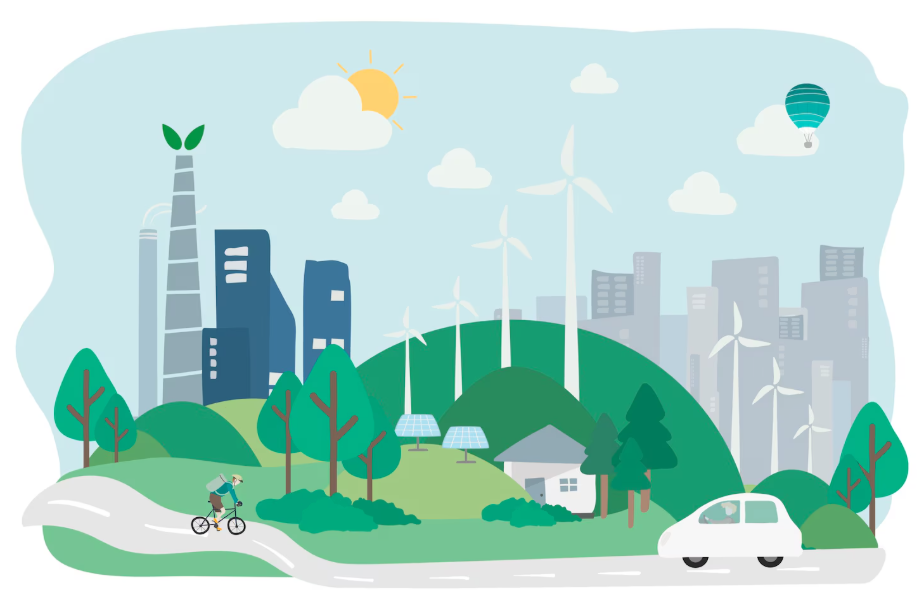
Beat the Heat is a global implementation effort, primarily focused on cities and subnational governments, aimed at translating political commitments into measurable local action.
The initiative has three core objectives:
Elevate and give visibility to local leadership, highlighting practical solutions already underway in countries, regions, and cities.
Identify initiatives and urban plans that could benefit from technical assistance, specialized expertise, or financing.
Catalyze scalable local actions aligned with national climate and development priorities and with the goals of the Global Cooling Pledge.
Solutions are developed collectively, respecting the specificities of each territory, including its geography, biome, and urban and social context.
What Participants Commit to Do

By joining Beat the Heat, countries, cities, and regions engage in a multilevel effort to advance one or more pillars of the Global Cooling Pledge, such as:
- Conduct urban heat diagnostics, identify vulnerabilities, and integrate cooling actions into urban and climate plans or heat action plans, structuring pipelines of cooling projects.
- Plan and implement passive and nature-based cooling solutions, such as green corridors, urban tree planting, and climate-responsive urban design.
- Lead public procurement of efficient cooling technologies with low global warming potential, particularly in public buildings.
- Support building energy codes, incorporating passive measures at the subnational level.
Participating cities have access to a curated set of technical resources, including training materials, workshops, and practical guides, and may request specialized technical assistance when needed.
Who Can Participate
Participation is open to:
- National governments, whether or not they are signatories to the Global Cooling Pledge
- State and municipal governments
- City networks
- International organizations
- Universities and research centers
- Foundations, financial institutions, and donors
- Companies and technology providers
Technical partners can contribute with heat assessment tools, training, technical assistance, project development, financing, and the creation of support programs for cities.
How to Participate
Interested countries, cities, and partners can express their interest through the official form:
Click here to access the Beat the Heat registration form
For more information or to contribute as a technical or financial partner, please contact the UNEP Cool Coalition Secretariat: unep-coolcoalition@un.org
A COP30 Legacy in Continuous Action
Beat the Heat reaffirms one of COP30’s core principles: COPs are not an end in themselves, but part of an ongoing process of transformation. By strengthening local action against extreme heat, the initiative helps protect lives, reduce inequalities, increase urban resilience, and keep climate ambition alive in the daily lives of cities. The mutirão continues.