
The Paris Agreement celebrates a decade as a milestone in multilateral climate action
For the COP30 presidency, this anniversary reinforces the essential roles of science and diplomacy against climate change
By Nicole Angel and Mayara Souto/COP30
This Friday, December 12, marks the tenth anniversary of the Paris Agreement, which remains a landmark of international cooperation in confronting climate change. For the COP30 presidency, this commitment was essential to slowing global warming and encouraging greater ambition in reducing greenhouse gas emissions.
Negotiated under the auspices of the United Nations Framework Convention on Climate Change (UNFCCC), the Paris Agreement was adopted by the 195 participating parties at COP21 in 2015. The treaty requires countries to take action to limit global warming to 1.5°C.
For the President of COP30, Ambassador André Corrêa do Lago, the agreement was decisive in unblocking climate action at a critical moment. “Ten years ago, climate action was stuck, with many obstacles. The Paris Agreement made it possible to bring a new dynamic to the fight against climate change,” he affirmed.
According to Ambassador Corrêa do Lago, the progress achieved since then is reflected in current scientific projections. "At the time of the negotiations, science indicated that the world was heading for a global average temperature increase of about 4°C. Now, thanks to the efforts made since the Paris Agreement, we are at 2.5°C. However, we still need to avoid exceeding 1.5°C. There is much to be done," he said.
The president of COP30 emphasized that the agreement demonstrates the ability of diplomacy to produce tangible results in addressing climate change. "The union of science and diplomacy is key to containing climate change," he summarized.
Reflection
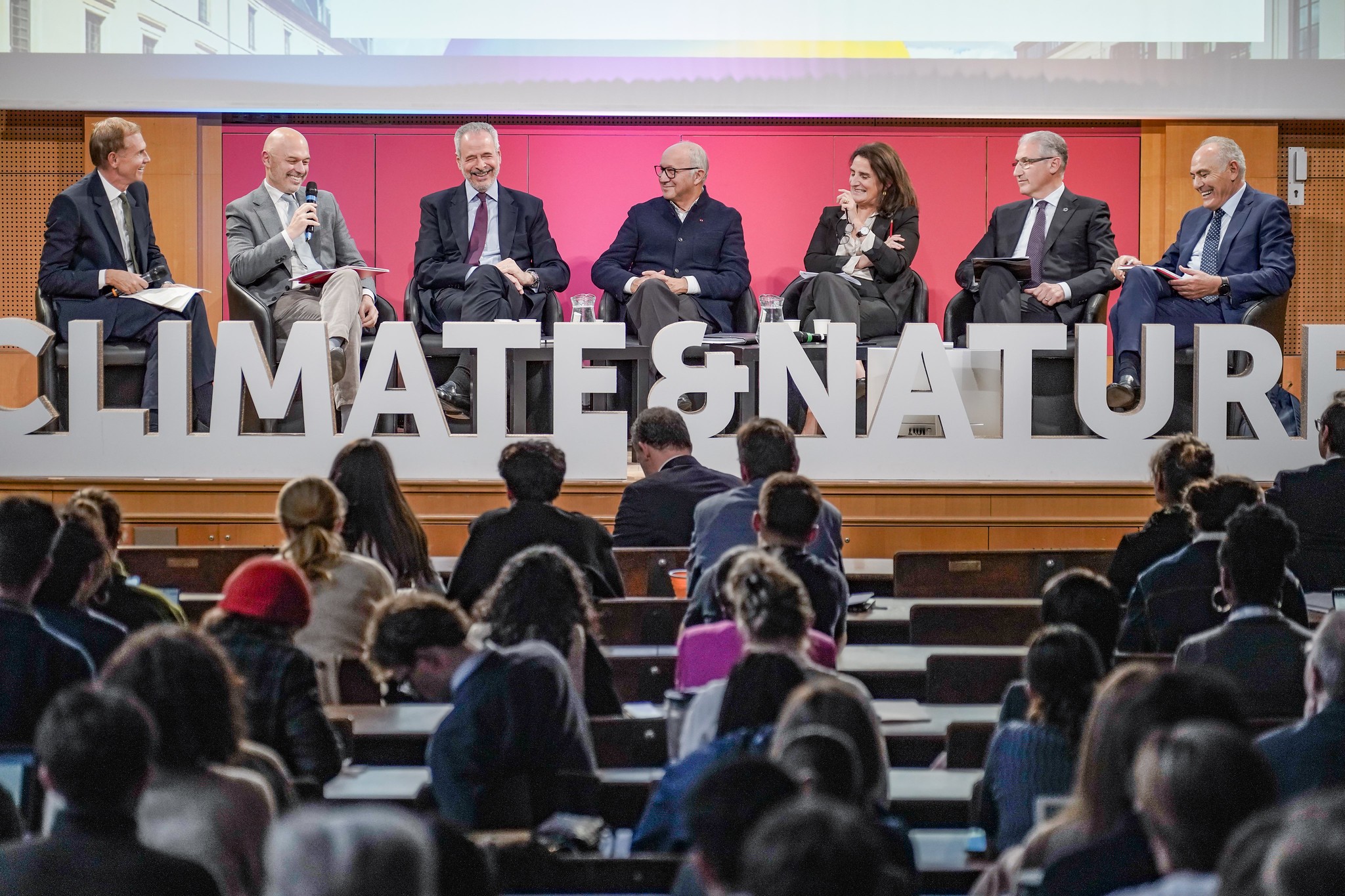
The ten-year celebrations of the Paris Agreement occurred throughout the year on various occasions, such as the Paris Climate and Nature Week in October, and also during COP30 in November. At the Belém Climate Summit, the President of Brazil, Mr. Luiz Inácio Lula da Silva, and the UN Secretary-General, Mr. António Guterres, organized a thematic session to reflect on the progress achieved in the decade of the agreement.
On the occasion, the leaders drew attention to the importance of the Nationally Determined Contributions (NDCs) – which are the step-by-step plans for how each country will act to reduce greenhouse gas emissions responsible for global warming.
“We need not only to implement what has already been agreed but also to adopt additional measures capable of bridging the gap between rhetoric and reality,” said the Brazilian President during the session, also pointing to the need for financing for the agreement's implementation.
COP30 Circles
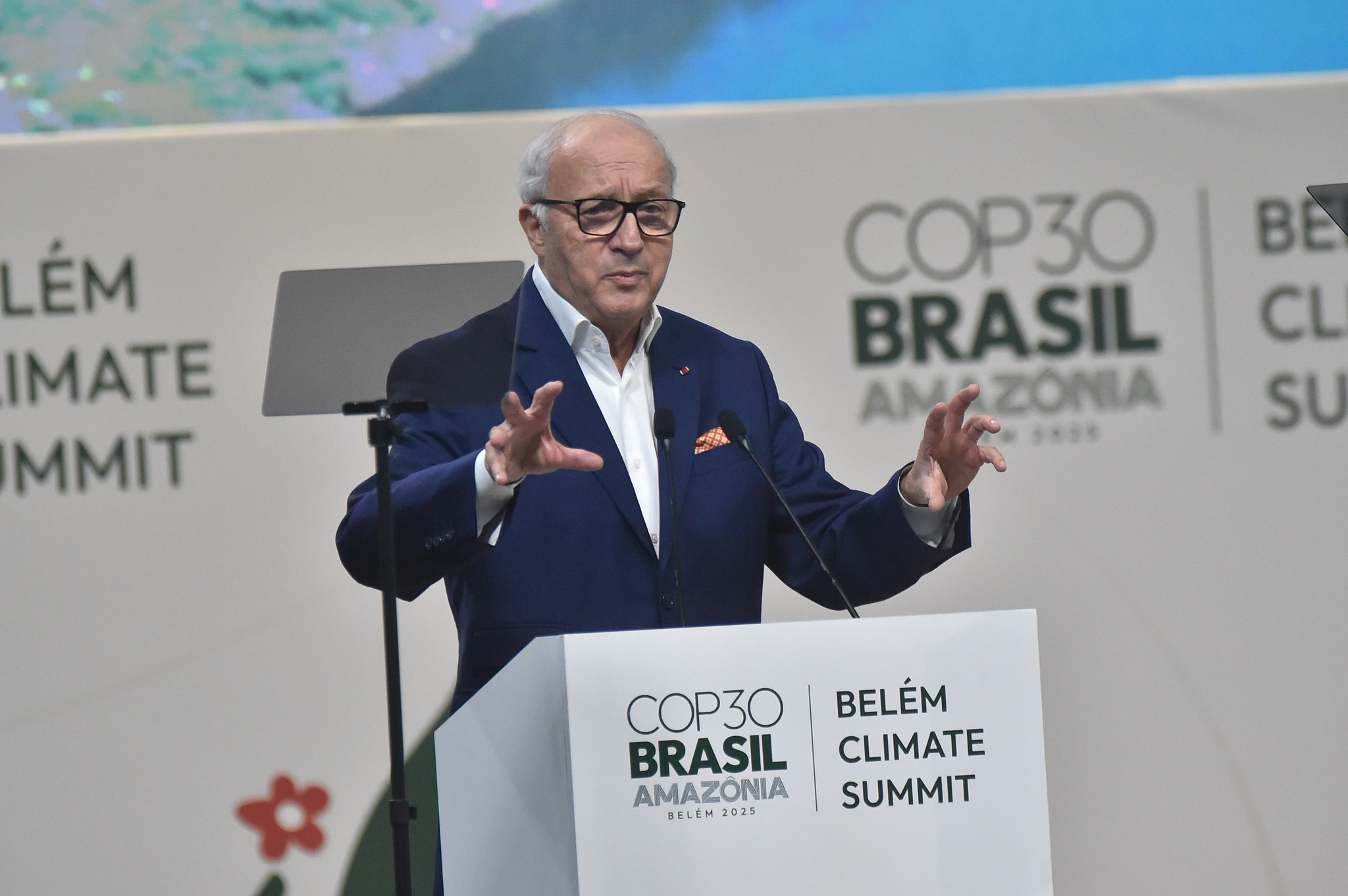
The former French Minister of Foreign Affairs (2012-2016), Mr. Laurent Fabius, who presided over COP21 when the Paris Agreement was signed, also participated in the Belém Climate Summit.
“We must believe in science when it states that it is necessary to implement what has already been decided regarding finance, regarding the transition of fuel, regarding what has already been agreed upon,” said Mr. Fabius.
The President of COP21 also served as the leader of the Circle of COP Presidents at COP30. The group's objective was to devise solutions to accelerate the implementation of the Paris Agreement and strengthen multilateralism and global climate governance. This and three other thematic circles at COP30 mobilized actions in key areas of climate negotiations.
English version: Trad. Bárbara Menezes