
Porto Alegre Launches Its First Climate Action Week To Turn Trauma into Climate Action and Collective Mobilization
Event aims to strengthen dialogue and collaboration to accelerate climate adaptation, social justice and implementation of solutions following the historic 2024 floods
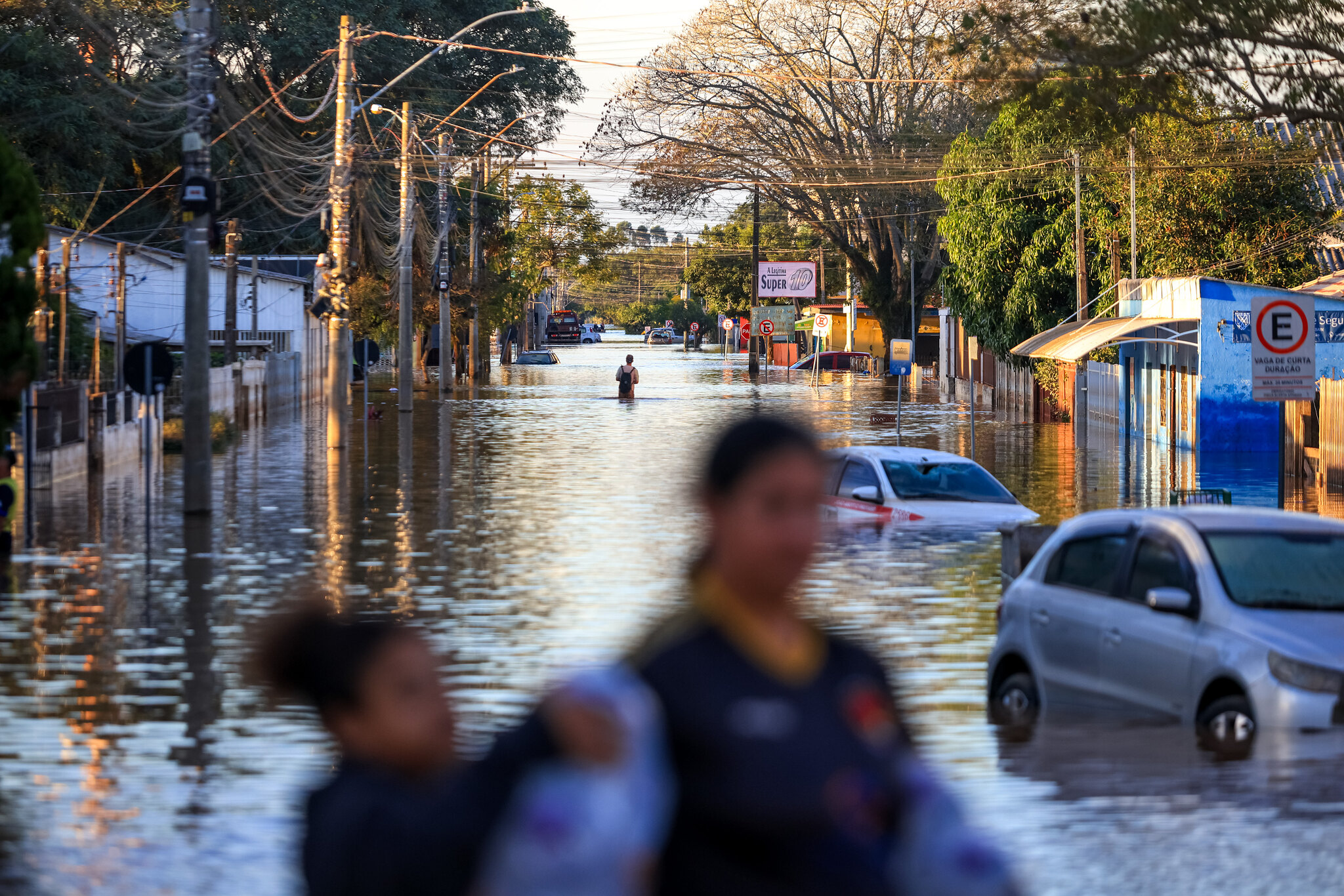
Two years after the catastrophic floods that devastated Brazil’s southern state of Rio Grande do Sul, the city of Porto Alegre is preparing to transform grief, solidarity, and lived experience into collective climate action. From July 20 to 26, the city will host the 1st Porto Alegre Climate Action Week, a broad public program focused on advancing climate adaptation and building a more resilient and just future.
Led by Denise Dora, co-founder of Themis – Gender, Justice and Human Rights, and Jurema Werneck, Executive Director of Amnesty International Brazil — both Special Envoys to COP30 — the initiative is being organized together with more than 30 local civil society organizations. It also has support from national and international institutions involved in the Rio Climate Action Week and London Climate Action Week. The initiative emerged from the direct experience of those who closely witnessed the human, social, and psychological impacts of the worst climate disaster in the history of Rio Grande do Sul.
According to the State Civil Defense, the floods of May 2024 affected 2.4 million people across 478 municipalities in the state. The disaster caused 185 confirmed deaths, left 806 people injured and 23 missing, and displaced nearly 582,000 residents at its peak. Even today, dozens of families remain in temporary shelters.
“Since 2024, the people of Rio Grande do Sul have been living in a permanent state of alert, insecurity, and climate trauma. The climate has changed significantly, and we now need to organize ourselves to prevent, protect, and adapt our cities, communities, public policies, and ways of life to this new reality,” said Denise Dora. “We will only overcome this social disruption if governments, businesses, universities, social movements, youth, and society as a whole engage around climate action. There is no longer room for denialism or inaction. The time to join forces and act is now.”
Concerns have intensified with forecasts pointing to another severe El Niño event later this year, while the state is still recovering from the impacts of the 2024 disaster.
Open to the public free of charge, the Climate Action Week will take place across multiple locations throughout the city, featuring debates, cultural and sports activities, community gatherings, and public engagement initiatives. The main program will be hosted at the Multipalco Theatro São Pedro and will include discussions on urban resilience, energy transition, agriculture, food security, cooperatives, and sustainable value chains. Additional activities will take place at the Federal University of Rio Grande do Sul (UFRGS), alongside a Solidarity Fair and the Climate Marathon — a symbolic route through areas of Porto Alegre most affected by the floods.
The program is structured around the six pillars of the Global Climate Action Agenda: (1) Transitioning Energy, Industry and Transport; (2) Stewarding Forests, Oceans and Biodiversity; (3) Transforming Agriculture and Food Systems; (4) Building Resilience for Cities, Infrastructure and Water; (5) Fostering Human and Social Development; and (6) Catalisadores e aceleradores, including Finance, Technology and Capacity Building.
The initiative aims to foster dialogue between science, culture, public policy, and social participation; revive memory and empathy for the communities most affected by the disaster; strengthen discussions on human rights, gender equality, and climate justice; and establish Climate Week as a permanent fixture in the region’s cultural and political calendar.
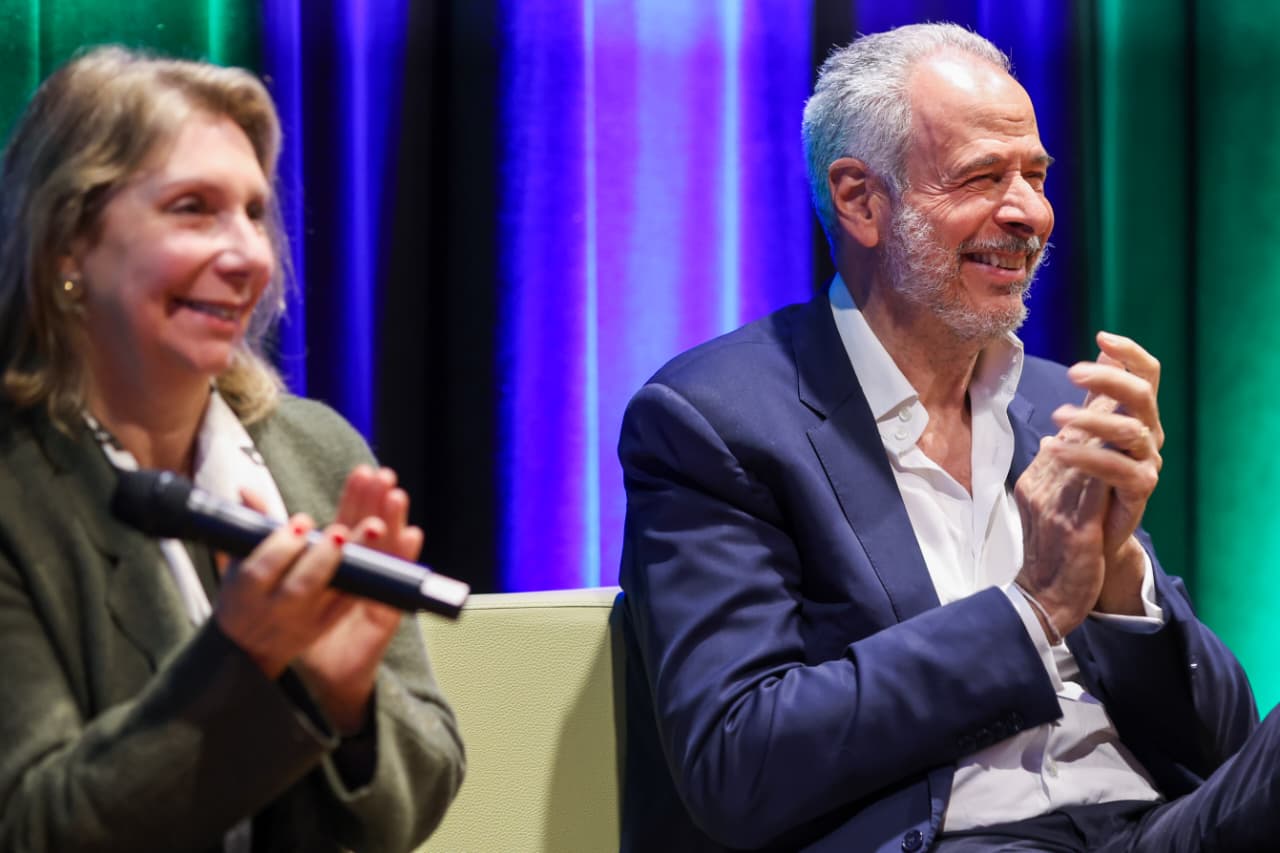
The program will also connect directly with international discussions on climate governance and the implementation of multilateral agreements. Today’s launch of the 1st Porto Alegre Climate Week features COP30 President Ambassador André Corrêa do Lago, internationally recognized for championing multilateralism as a key response to the climate emergency.
COP30 CEO Ana Toni and COP30 Chief Negotiator and Director of the Climate Department at Brazil’s Ministry of Foreign Affairs, Ambassador Liliam Chagas, will also participate in the July program, reinforcing the connection between global climate negotiations and the daily realities faced by communities in Rio Grande do Sul.
Discussions throughout the week will address recent advances in international climate negotiations, including efforts to scale up adaptation finance, strengthen the just transition agenda, advance new mechanisms for international cooperation, and implement Brazil’s Climate Plan, launched earlier this year.
Gender and human rights will also play a central role in the discussions. During COP30 in Belém, countries approved a new nine-year Gender Action Plan, considered one of the most ambitious gender-related climate agreements ever negotiated internationally. The plan includes measures to generate knowledge on the impacts of climate change on health, education, and the protection of women and girls from violence. It also addresses care work, proposes stronger protections for women environmental defenders, and promotes expanded access to education, technology, and decent work.
The 1st Porto Alegre Climate Action Week will also spotlight solutions already emerging from communities across Rio Grande do Sul. Among them is Latin America’s largest organic rice production initiative, led by agrarian reform settlements in the Porto Alegre metropolitan region. The farms cover approximately 2,800 hectares and involve 290 families across 10 settlements in seven municipalities: Nova Santa Rita, Viamão, Eldorado do Sul, São Jerônimo, Charqueadas, Tapes, and São Gabriel. Production is primarily directed toward domestic markets, cooperatives, and school meal programs, becoming a benchmark for sustainable agriculture, solidarity economy, and food security.
“We do not want only to discuss the future. We want to create concrete spaces for collaboration, care, listening, and implementation,” Denise Dora said. “The climate crisis is already part of people’s daily lives. We must respond with courage, solidarity, and collective action.”
The full program for the 1st Porto Alegre Climate Action Week will be released in the coming weeks at: semanadoclima.poa.br