“Voices of Biomes” conveys civil society demands and wisdom to COP30
The initiative, led by three Special Envoys of the conference, conducted a broad consultation process with communities from Brazil’s biomes to translate their insights into letters addressed to negotiators at COP30
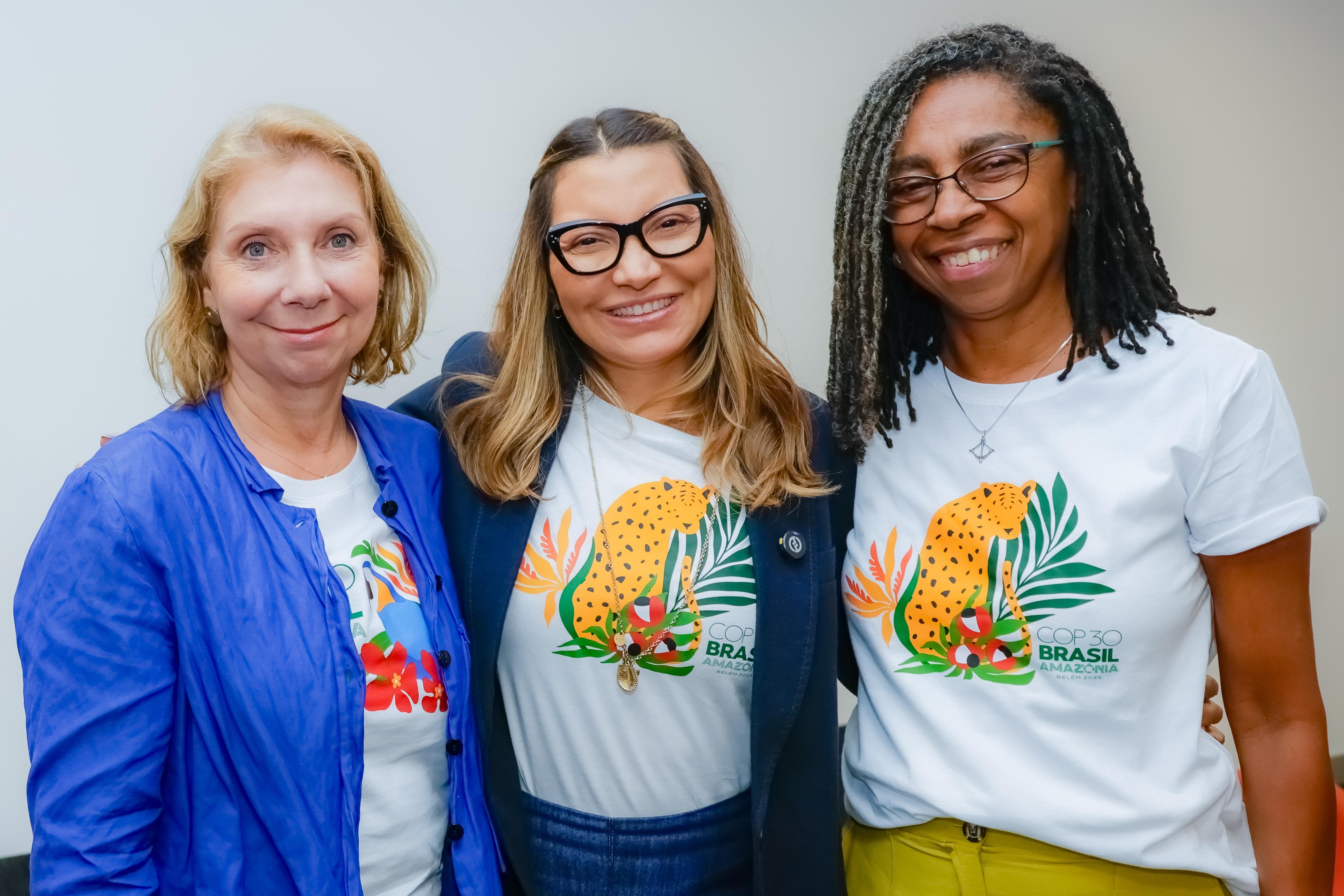
Ms. Janja Lula da Silva, Ms. Jurema Werneck, and Ms. Denise Dora, Special Envoys to COP30 on the topics of Women, Racial Equality and Peripheries, and Human Rights and Just Transition, joined forces in a mobilization effort alongside representatives from civil society to gather the main demands of Brazilian biomes and forward them to negotiators at COP30. In a women's climate coalition called “Voices of the Biomes,” the Envoys promoted plenary sessions in multiple parts of the country.
During this process, approximately 650 people, mostly women, representing organizations with thousands of representatives, were directly consulted. The Envoys will bring to the Zona Azul of COP30 —the official negotiation space —the voices, demands, and proposals gathered through workshops held with civil society in each of Brazil's biomes.
The letters produced from this process, in addition to gathering input from the territories, dialogue directly with the Letters from the Presidency, produced by the designated president, Ambassador André Corrêa do Lago. By establishing this connection, the Envoys reinforce that the contributions of Brazilian civil society should be considered on the same level of relevance as official guidelines, expanding the political and symbolic reach of the voices that echo from the biomes.
Listening as a Method
The meetings were based on the premise of skilled listening as a political tool for collective construction. Each workshop began with a panel of local leaders, who set the tone for the discussions based on the reality of the territory, lending legitimacy and urgency to the debate. Following a brief presentation by the Envoys and their roles, the group was divided into three.
Over the course of three rounds, each Envoy circulated among the groups, asking specific questions related to their field of expertise. This format allows organizations to share multiple perspectives, address challenges, and propose solutions, jointly constructing a narrative about each biome. This process yields essential inputs for drafting the letters, which condense the plurality and power of the territories in dialogue with the global climate agenda.
Outcome
By traveling the country and engaging directly with civil society from different regions of Brazil, the Envoys reaffirmed that the climate agenda extends far beyond the COP negotiation tables. The climate agenda is plural and interdependent—one that must value local knowledge, cultural diversity, and the ways of life that sustain each territory.
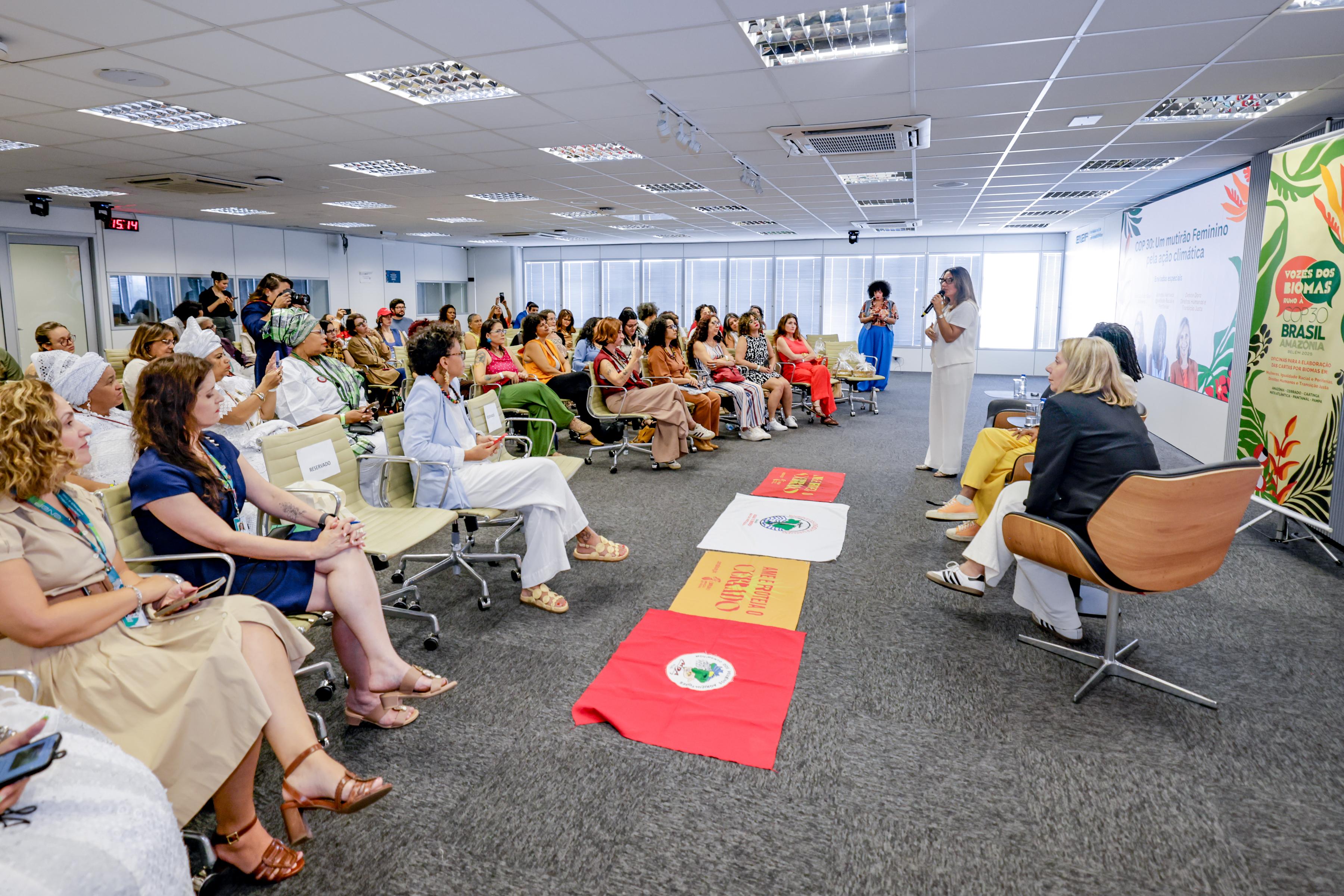
Throughout August and September, “Voices of the Biomes” visited the Amazon biome in Manaus (AM); the Atlantic Forest in Rio de Janeiro (RJ); and the Pampa in Porto Alegre (RS). In October, the Caatinga workshop took place in Caruaru (PE), as part of the Caatinga Climate Week. On October 8, the Pantanal biome workshop was held at the Federal University of Mato Grosso in Campo Grande (MS). The cycle concluded in Brasília (DF), addressing the Cerrado biome.
English version: Trad. Bárbara Menezes.
Proofreading by Enrique Villamil.