
Secretary urges for “structural solutions” to combat climate disinformation and denial
Information Integrity initiatives are part of the “COP30 Mutirão” and, for the first time, are included in the Action Agenda objectives as a response to climate disinformation
By Mayara Souto / COP30
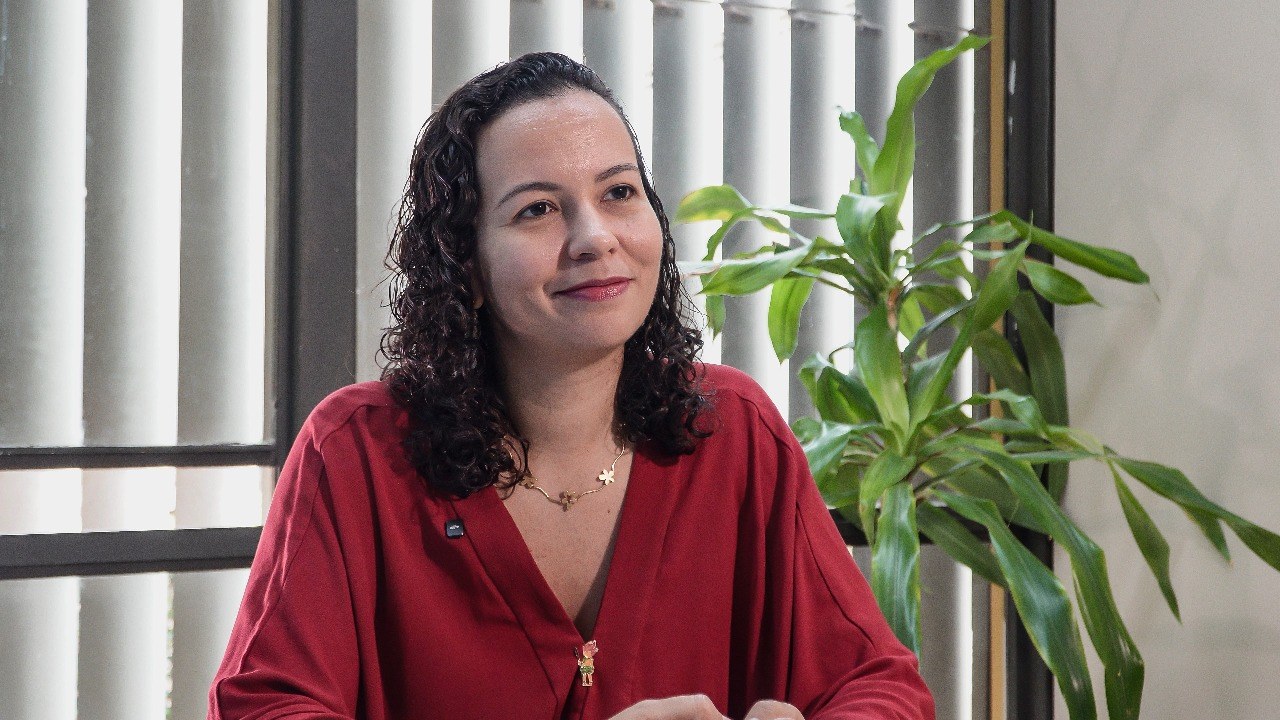
“Brazil was one of the first countries to champion the idea of information integrity,” says Nina Santos, Deputy Secretary of the Secretariat for Digital Policies of the Presidency of the Republic. The concept ensures that people have access to quality information in their daily lives, serving as a response to denialism and disinformation.
Since the G20, the topic has been widely discussed, especially in the context of the impacts of climate change. Now, at COP30, which will take place next month in Belém (Pará), the issue is back to the center of international debate, integrated into the Action Agenda.
The relevance of the issue is supported by global data. The Global Risks Report 2024, published by the World Economic Forum, identified extreme weather events as the greatest threat to global stability, followed by the spread of disinformation. The report names disinformation as the most severe risk over the next two years, posing a threat to the legitimacy of governments and to social cohesion.
“Sometimes, when we talk about combating disinformation and denialism, people focus too much on individual content. But this is a much more structural than an individual problem. That’s why we must focus on structural solutions,” explains Ms. Santos. She notes that climate denialism has been growing worldwide as part of a broader process aimed at undermining democracy, science, and institutions.
In this context, Brazil launched in 2024 the Global Initiative for Information Integrity on Climate Change, in partnership with the United Nations (UN), UNESCO, the United Nations Framework Convention on Climate Change (UNFCCC), the Government of Brazil, and six other countries — Chile, Denmark, France, Morocco, the United Kingdom, and Sweden. The coalition proposes concrete solutions to counter disinformation and other tactics that seek to delay and undermine climate action.
“Brazil first raised this issue within the Digital Economy Working Group of the G20. Then, it was brought to the attention of the BRICS and Mercosur. Now, at the COP to be held here in Brazil, information integrity will be included in the COP Action Agenda for the first time,” says Ms. Santos.
Brazil is at the forefront
According to the deputy secretary, Brazil has stood out as a “global leader” on the issue — which includes not only combating disinformation but also regulating digital platforms and advancing media literacy. “This is the kind of structural action we need to ensure that reliable information is disseminated — and, above all, that people can make informed decisions in their daily lives,” she adds.
Ms. Santos emphasizes that this process involves education and capacity-building. “People increasingly need to understand how technology works, how information spreads in this environment, and how they can verify whether a piece of information is true — whether that website is official,” she says, noting that this helps prevent not only disinformation but also digital fraud and scams.
To fund initiatives that support these goals, the global alliance has created a fund hosted by UNESCO, aimed at promoting research, journalism, and strategic communication actions that guarantee reliable information on climate change. Brazil was the first country to contribute, allocating US$1 million — BRL 600,000 this year and BRL 400,000 next year.
Toward COP30
At COP30, the Information Integrity on Climate Change initiative will be part of the Action Agenda, which calls on multiple stakeholders to engage in climate action. The Presidency of COP30 envisions this mobilization as a “mutirão for the climate” to help implement existing climate agreements.
The Action Agenda is organized into six thematic pillars and 30 key objectives. The Information Integrity effort is among these objectives, as part of a cross-cutting area involving multiple areas of action. So far, 123 initiatives from 27 countries have been approved for inclusion in the Granary of Solutions — a digital platform created to highlight practical initiatives that deliver measurable results aligned with the 30 key objectives of the Action Agenda. These proposals include practical tools and research aimed at strengthening the quality and reliability of climate communication.
“These initiatives come from governments, civil society organizations, social movements, and universities. Through the Solutions Hub, we’re showcasing initiatives of all kinds that can serve as examples or best practices for advancing this complex debate and identifying opportunities for cooperation,” explains Santos.
The Information Integrity on Climate Change initiative will also be featured in the COP30 thematic days program. On November 12 and 13, 2025, panels and debates will take place in both the Blue Zone and Green Zone of the Conference, bringing together experts, governments, and civil society to consolidate strategies for combating disinformation and strengthening information integrity policies on a global scale.
English version: Trad. Bárbara Menezes.
Proofreading by Enrique Villamil.