
Pre-COP concludes with progress toward consensus on implementing agreements and strengthening adaptation
The event in Brasilia fostered an atmosphere of trust among countries and highlighted the need to expand climate finance and international cooperation
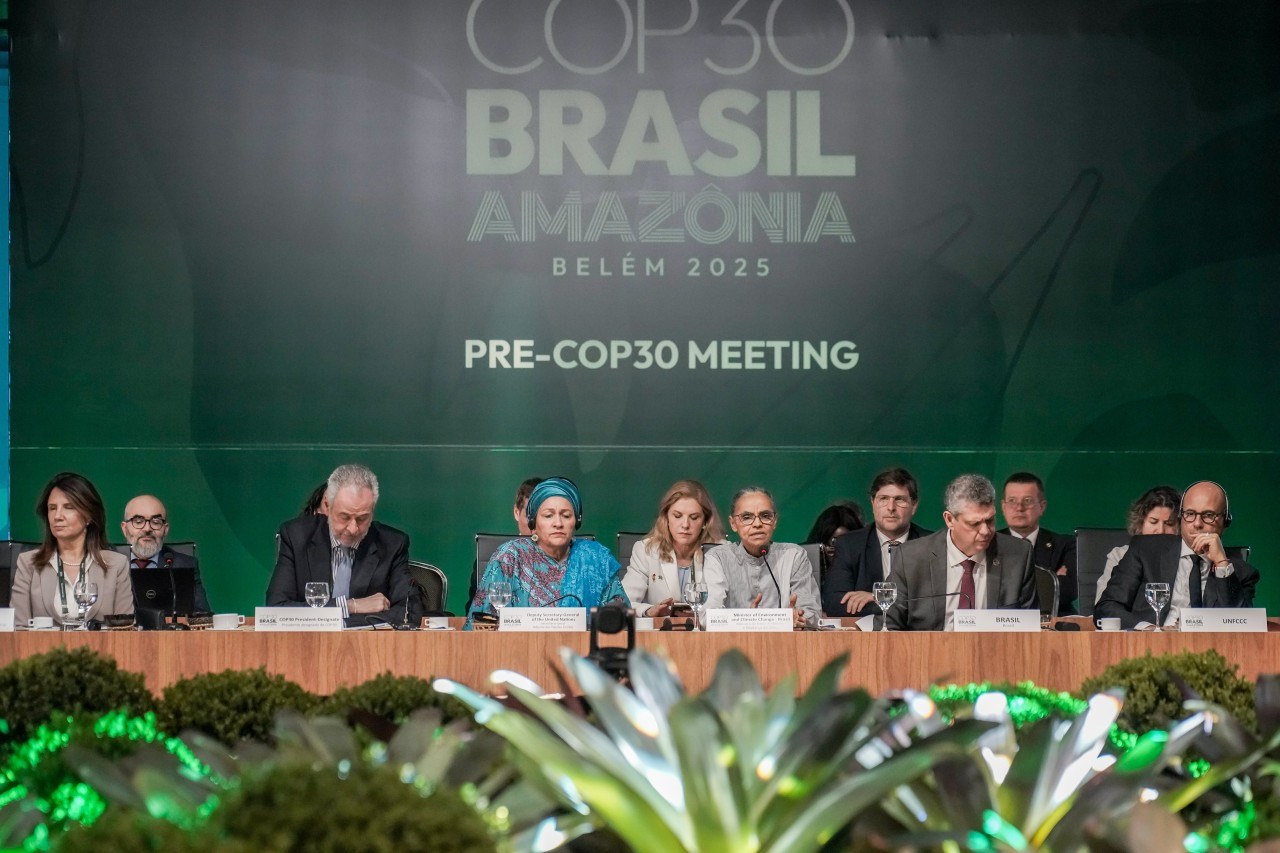
By Laura Marques/COP30
On Tuesday, October 14—after two days of debates among ministers and negotiators from UNFCCC member countries during the Pre-COP in Brasília—world leaders presented the outcomes achieved in advancing the goals of the Paris Agreement. During the final session on Tuesday, October 14, leaders provided an overview of the results and highlighted actions to implement existing agreements, mobilize resources for climate finance, ensure broad participation in decision-making processes, strengthen adaptation efforts, and promote multilateral negotiations.
Ms. Marina Silva, Brazil’s Minister of the Environment and Climate Change, stated that the Pre-COP reinforces the idea that cross-border initiatives are essential. "In 1992, we started with the idea that we needed to think globally and act locally. Now, that is no longer possible. Climate extremes already demand that governments—and all of us—act locally and globally in terms of resources, technology, and solidarity because climate change knows no borders. We must act together,” she emphasized.
COP30 President Ambassador André Corrêa do Lago stressed that Brazil is seeking ways to ensure this will be the “COP of implementation” by creating groups of nations to lead joint initiatives. "Implementation is much more an exercise of cooperation and mutual support. Therefore, it will be very positive to build these groups starting with key countries, and we will see how far we can advance without necessarily needing to reach a full consensus," he explained.
Ambassador Corrêa do Lago also mentioned that the Brazilian COP presidency has engaged with not only the parties to the Climate Convention, but also financial institutions, economists, business groups, and other stakeholders to ensure the goals are met. "It may seem obvious, but we are living in a time when unilateral measures are stronger than they have been in a long while. That’s why strengthening multilateralism is essential,” he said.
Mr. Túlio Andrade, COP30 Chief of Strategy and Alignment, and one of the facilitators of the discussion group on the Paris Agreement Global Stocktake (GST), noted that several common points were identified among countries participating in the Pre-COP.
“We were very pleased to see that we have a solid foundation that can take us to Belém with strong prospects for a positive outcome in the GST. These consensuses were linked to a strong message of support for multilateralism, particularly on the tenth anniversary of the Paris Agreement. They also reflected a shared understanding that the GST is a key component of the Paris Agreement’s political cycle and should not be altered. And finally, there was a recognition of the need for an urgent response to climate change, focused on enhanced implementation and strengthened international cooperation,” he reported.
Andrade added that participants noted the atmosphere of trust fostered during the Pre-COP and assured that the COP30 Presidency will make every effort to replicate this positive environment in Belém (PA).
Ana Toni, COP30 CEO, emphasized that consensus was reached on several points, including the creation of instruments to strengthen climate investments. She mentioned that the Tropical Forests Forever Fund (TFFF), led by Brazil, was widely celebrated among other financing mechanisms. She also underscored the continued global engagement in climate action: “Only one country has left the Paris Agreement, which shows that all others remain committed and actively involved.”
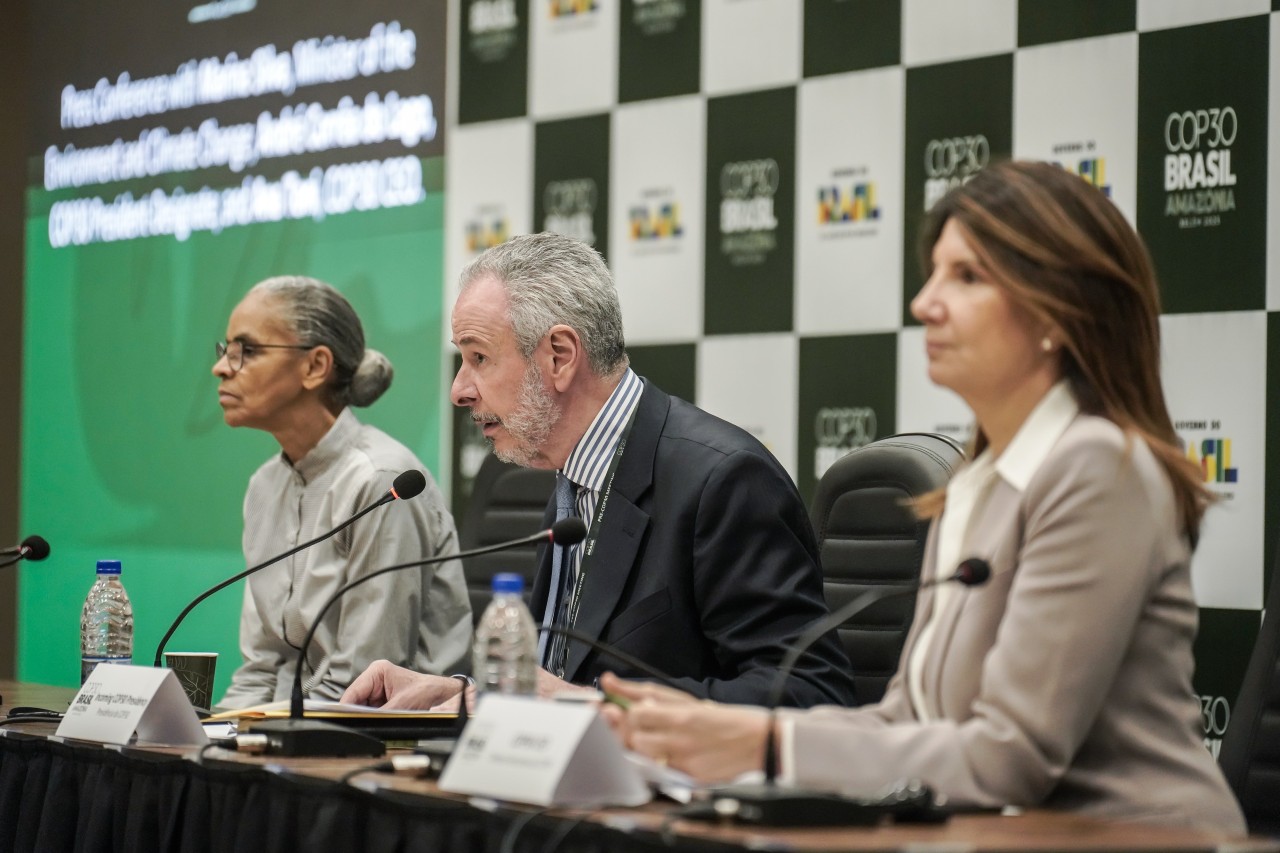
Mr. Márcio Macêdo, Brazil’s Minister of the General Secretariat of the Presidency, called on nations to ensure that decisions include broad participation from all sectors of society. “To the countries gathered here, I extend an invitation: Let every decision, commitment, and action plan reflect the needs of our communities,” he said.
In her address, Amina J. Mohammed, the Deputy Secretary-General of the United Nations, emphasized that science has already shown that the actions implemented so far are insufficient to maintain the 1.5ºC limit on global warming—and therefore, implementation measures must be more ambitious. She said that in Belém, nations will learn the extent of this gap and must act to close it. “The next decade must be about delivery—about transforming the foundation we built through multilateralism into transformed economies with tangible benefits for our people,” Ms. Mohammed stressed.
Ms. Amina J. Mohammed also announced that she will take to the Annual Meetings of the World Bank and the International Monetary Fund (IMF) a call for financial institutions and finance ministers to step up efforts to enable and scale up investments in climate mitigation and adaptation.
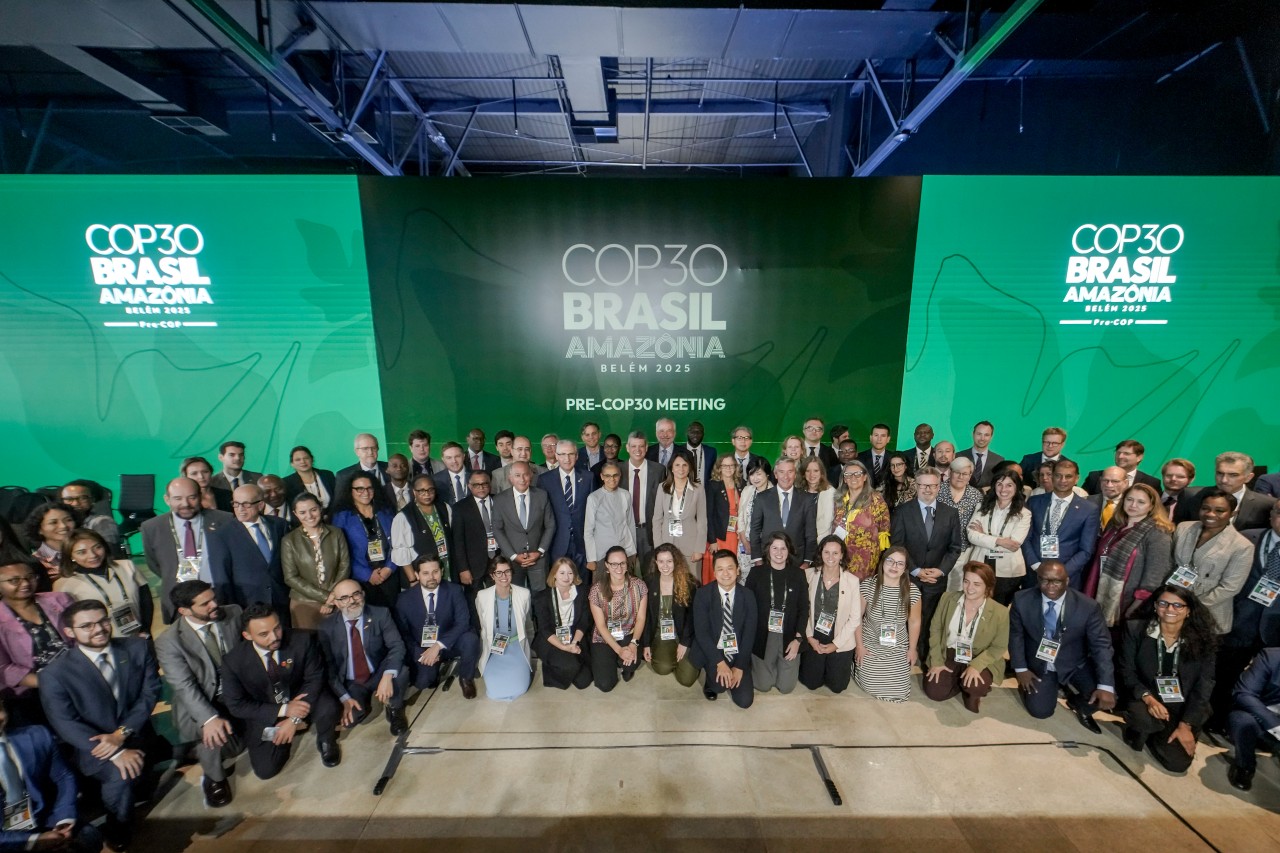
Global cooperation
Ms. Grace Fu, Singapore’s Minister for Sustainability and the Environment, who is rapporteur on climate change mitigation, also stressed the importance of climate finance.
Ms. Ana Paula Pereira, Angola’s Minister of the Environment and rapporteur on adaptation, proposed a work schedule aimed at establishing a resource mobilization plan on this topic for COP30, noting that responses to extreme climate events are urgently needed.
English version: Trad. Bárbara Menezes.
Proofreading by Enrique Villamil.