
Inside COP30’s Youth Mutirão: Key Outcomes presented by Youth Climate Champion Marcele Oliveira
Drawing on data, testimonies, and experiences leading up to Belém, the report highlights the growing participation of young people from diverse territories and contexts in climate action, and underscores the need for lasting mechanisms that value and scale youth-led solutions
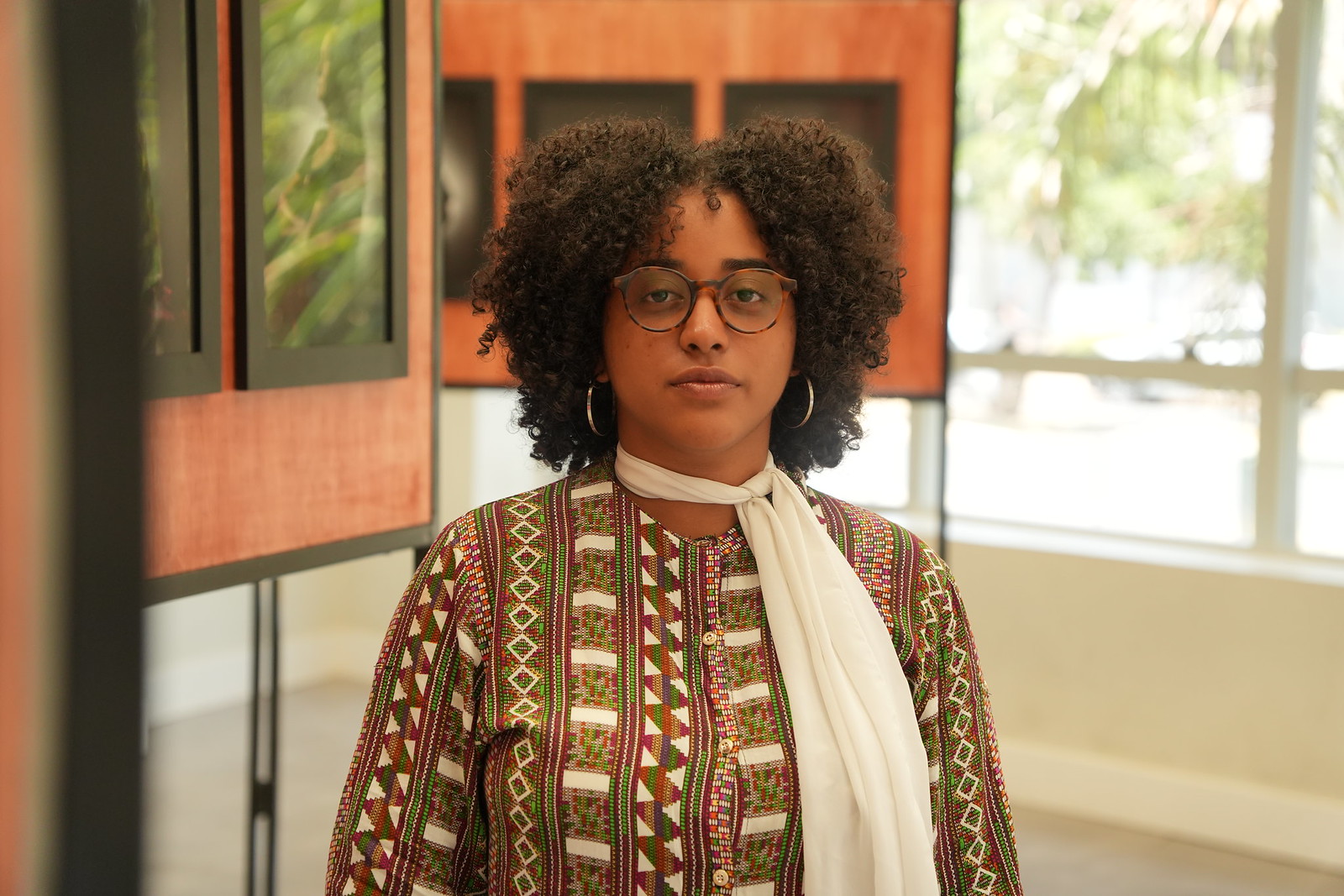
Published this week by the United Nations Framework Convention on Climate Change (UNFCCC), the report “Highlights from the COP30 Presidency Youth Climate Champion” offers an overview of how young people contributed to the global climate agenda throughout 2025. Under the leadership of Marcele Oliveira, the work consolidated the “Youth Mutirão”, a concept rooted in Brazil’s tradition of collective action that mobilized thousands of young people in activities ranging from public participation to training and political engagement in Brazil and abroad.
Over the year, more than 4,200 young people took part directly in initiatives organized by the Youth Climate Champion’s team, including 26 consultations held across Brazil’s biomes and at international events.
Designed with a global lens, the initiative made its mark worldwide: the Youth City in Belém brought together young people from more than 80 countries, while the Youth Mutirão trilingual digital platform gathered over 300 contributions from 46 countries—broadening both diversity and representation. Youth-led agendas also gained significant public attention, with 928 media mentions, including 55 articles in international outlets.
Marcele Oliveira, the COP30 Presidency Youth Climate Champion, emphasizes that the report’s findings highlight the crucial role young people play in shaping responses to the climate crisis and advancing social and environmental justice.
“This report brings together the many mobilizations carried out by youth from Brazil and around the world in the context of COP30. It reflects on what can—and should—be done within an institutionalized role in the UNFCCC process. It compiles data, images, testimonies, and insights on the ‘Youth Taskforce’ and its impact on strengthening youth participation across diverse contexts within the climate regime,” she explains.
Oliveira notes that the document reinforces the need for lasting global climate governance mechanisms that recognize and scale youth-led solutions. “Everything we built in Belém is both a national legacy and a contribution to COP31. We hope this report becomes a record and a reference for continuing to build spaces for youth participation, capacity-building, and advocacy through intergenerational dialogue,” she concludes.
The role of the Presidency Youth Climate Champion (PYCC)—institutionalized at COP28—is to advance the inclusion and engagement of children and young people in global climate action. Its two-year mandate ensures continuity across COP Presidencies, expanding youth participation in public policy, strengthening capacities, amplifying youth voices in decision-making spaces, and catalyzing youth-led climate solutions. The work is carried out in close cooperation with YOUNGO, the official UNFCCC constituency for children and youth, ensuring synergy and avoiding duplication of efforts.