
In the mood for COP, Belém readies to welcome delegations worldwide
With its fragrances, handicrafts, and unique ice cream flavors, Belém showcases its creativity and Amazonian pride as the countdown to COP30 begins
By Mayara Souto / COP30
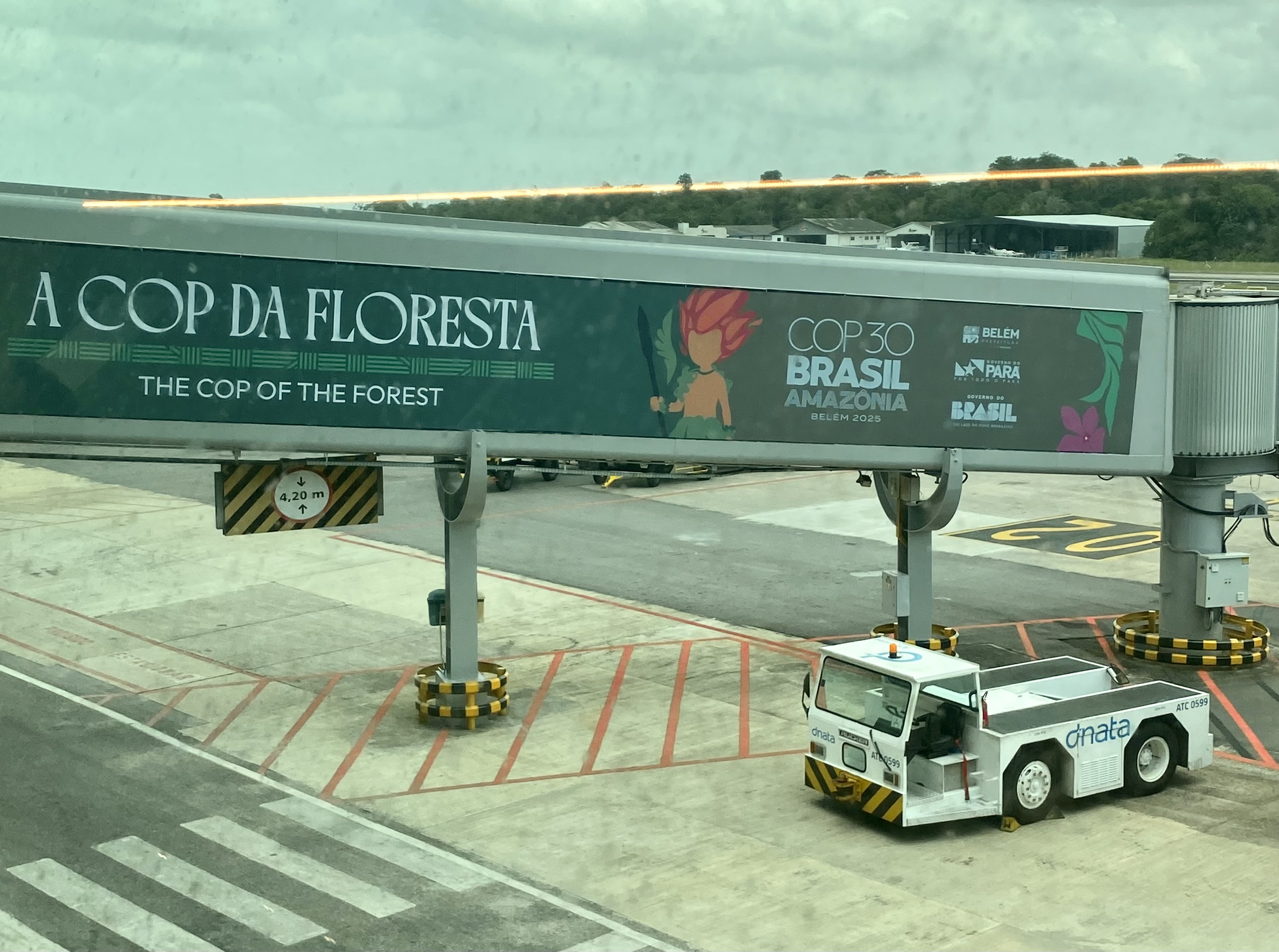
From the moment visitors land at the airport, vibrant murals filled with macaws and jaguars, signaling that Belém is ready to welcome guests from across the globe, greet them. The city’s beloved red-haired boy, Curupira—the forest’s mythical guardian—appears in countless forms throughout tourist spots. The region’s traditional crafts, herbal perfumes, and cuisine have also embraced the COP30 event.
The capital of Pará boasts extensive experience in hosting people from worldwide. Annually on October 12, Belém hosts the Círio de Nazaré, a religious festival honoring Our Lady of Nazareth. Locals know that creativity and investment in cultural identity are key to making a lasting impression on visitors.

Handicrafts
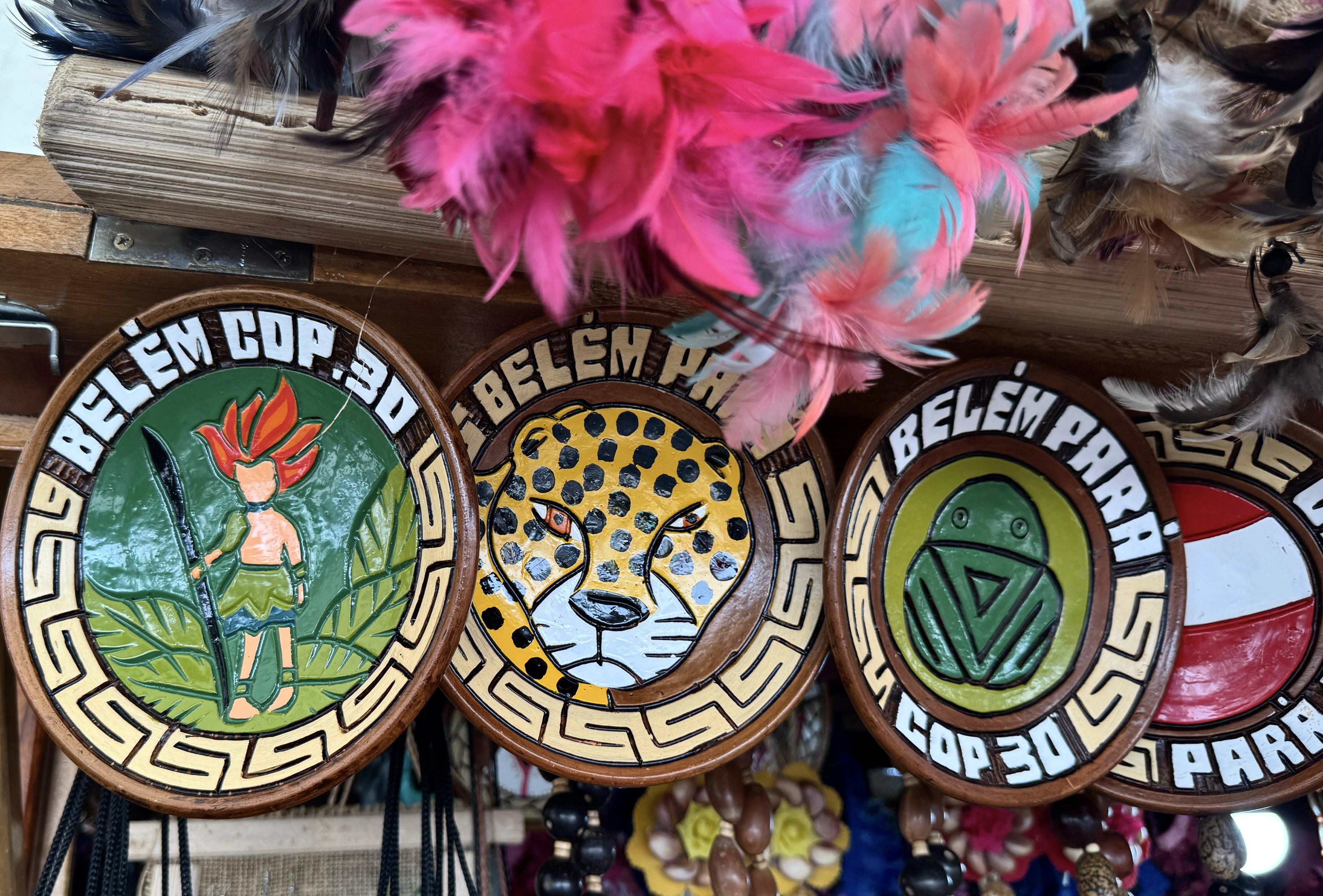
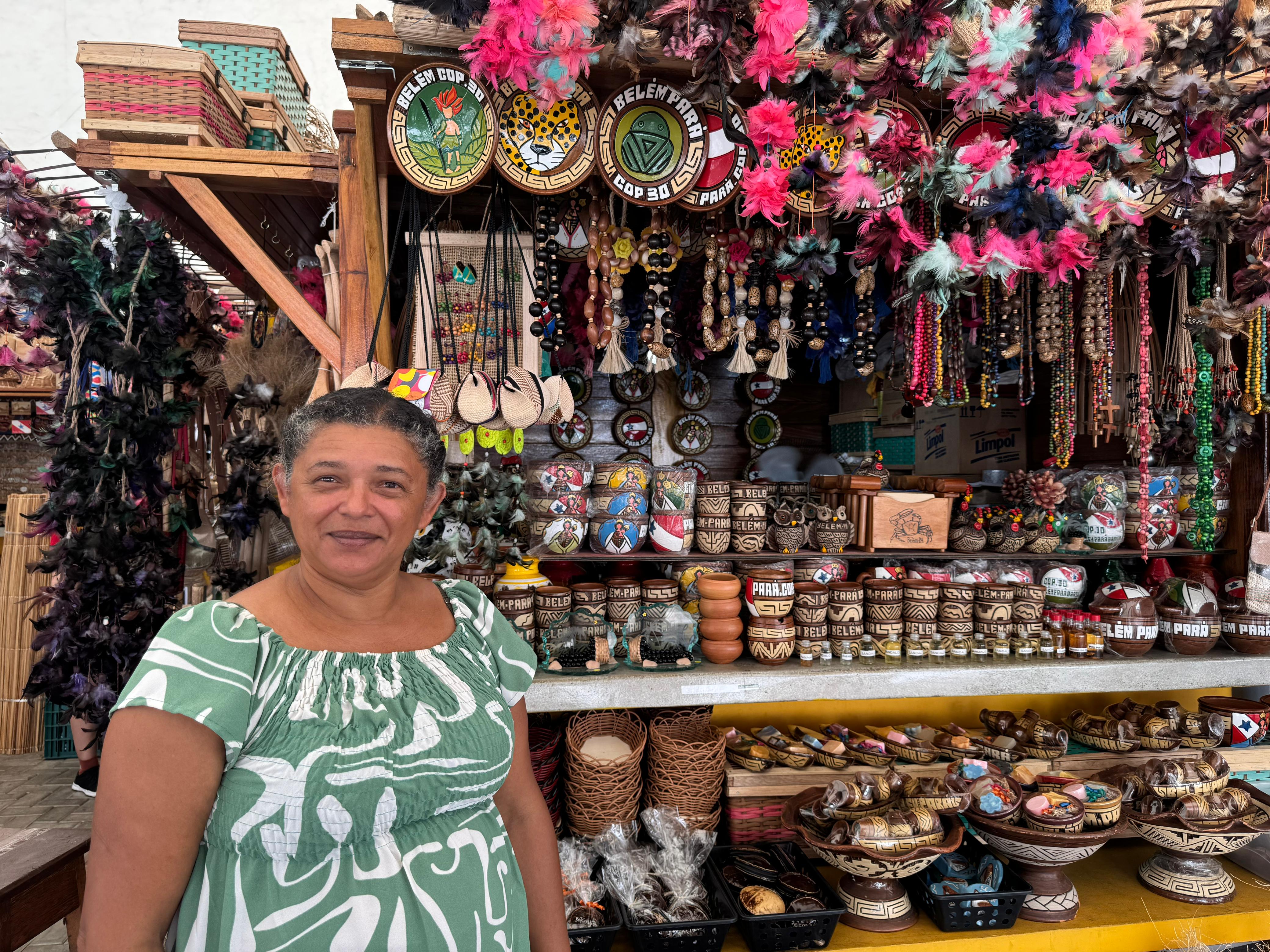
Souvenirs of Our Lady of Nazareth draw visitors to the craft market at Ver-o-Peso, the largest open-air market in Latin America. Now, new items—COP30 mugs, T-shirts, and hand-painted ceramic plates—share the stalls. Each is emblazoned with the name of COP30 and Belém, featuring images that range from Curupira and jaguars to the Pará state flag and the muiraquitã—a green, frog-shaped amulet believed by Amazonian peoples to bring good luck.
"We have been preparing since last year. We have prepared many things, especially basketry and ceramics. We have lots of souvenirs from COP, as well as items that symbolize the Amazon, which people really want. People are looking for items featuring animals like macaws, toucans, jaguars, Curupira, and Boto Rosa, also known as pink river dolphins, which are featured in Amazonian legends," says Ms. Luzilena Silva, owner of one of the craft stalls.
Medicinal Herbs
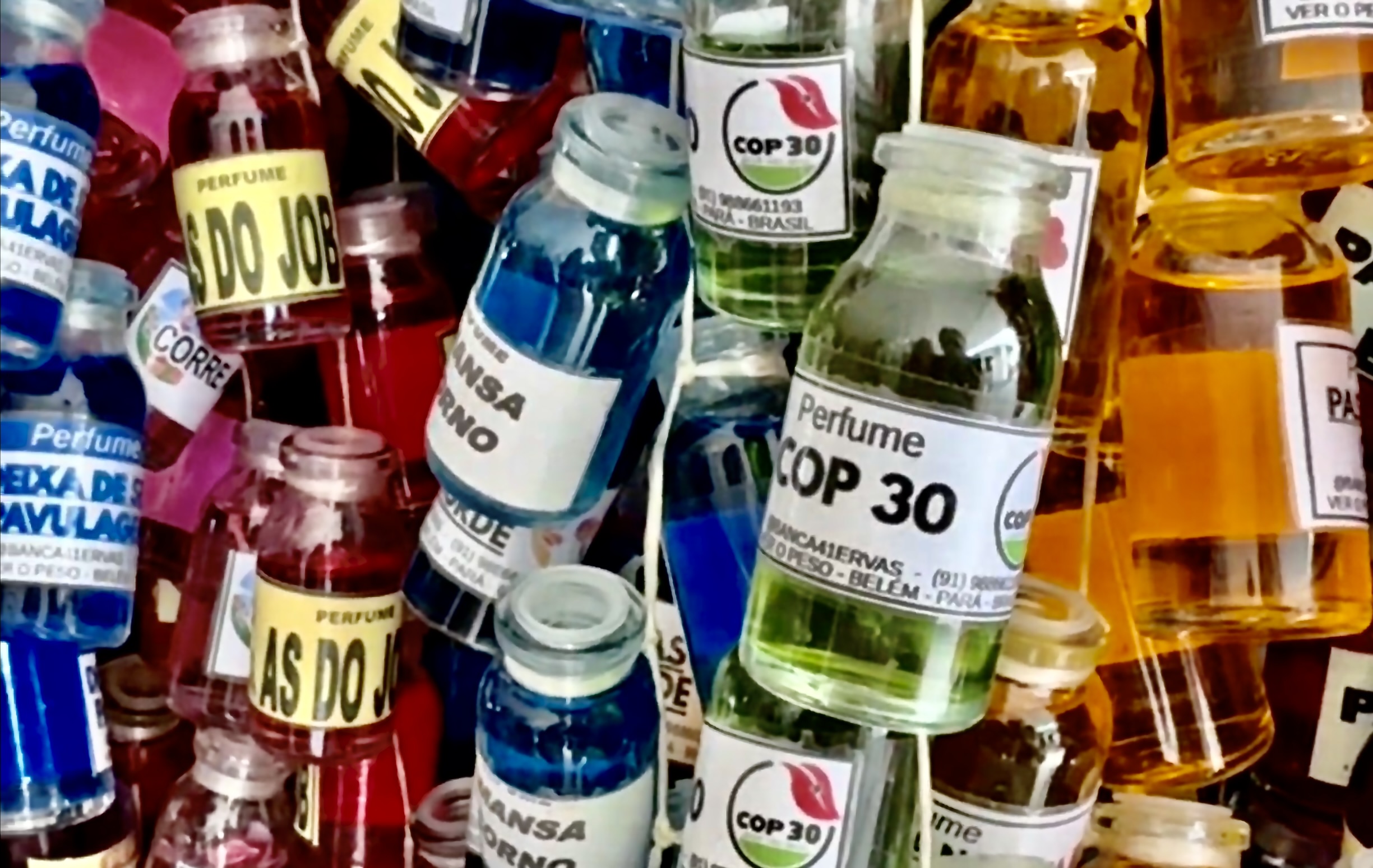
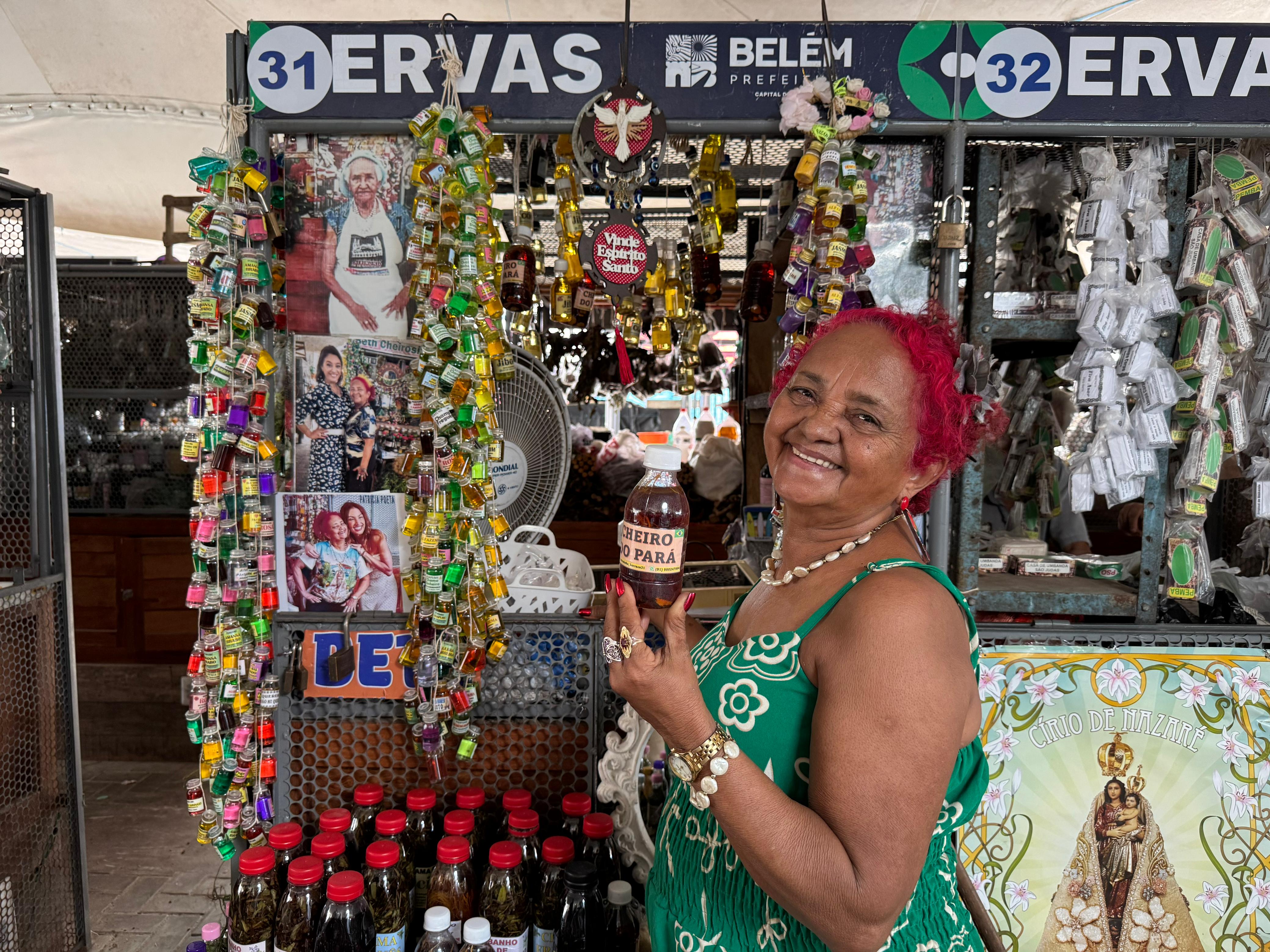
Next to the craft stalls at Ver-o-Peso are narrow aisles that preserve ancestral knowledge, lined with thousands of Amazonian medicinal herbs. There, visitors can find natural perfumes and herbal baths with a range of purposes—from attracting love and promoting health to ensuring good energy for COP30 climate negotiations.
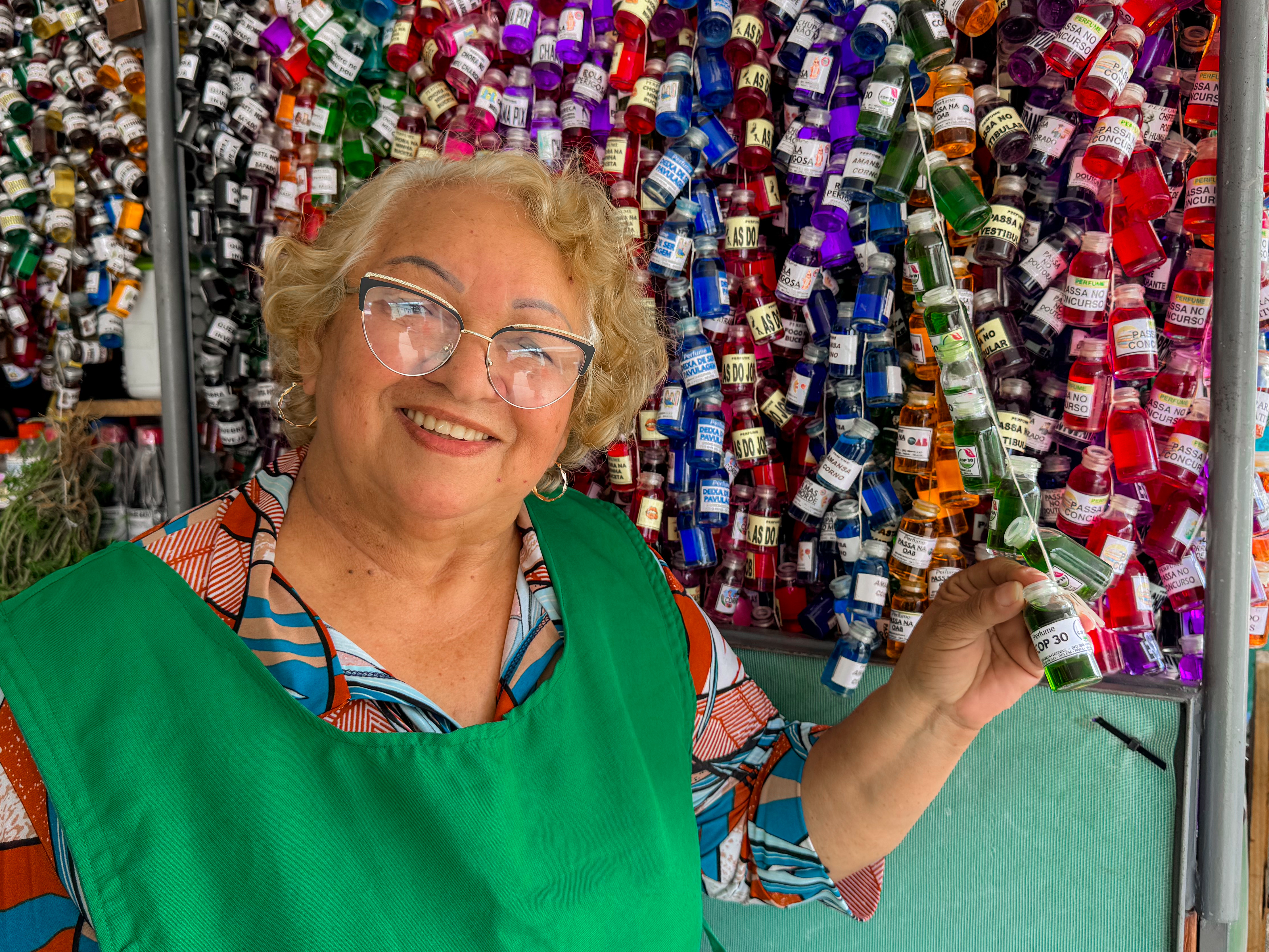
Ms. Maria Iracilda, an herbalist, developed a special perfume for COP30. She does not reveal the secret properties of the perfume, but guarantees that it transmits "good energy."
“It’s meant to bring good things to everyone coming from abroad, and to remind them of Pará,” she says, showing a green-tinted bottle labeled COP30. “It’s also a way to share our knowledge, our herbs, and our Amazonian products. Our perfumes are a novelty for them.”
Just a few steps away, another renowned herbalist, Beth Cheirosinha, regrets not having any bottles of her COP30 herbal bath left in stock—it has been a hit, she says.
“If COP30 is happening here in Pará, they should experience this bath—it attracts the good things of our state. Herbal baths come from nature, from God, and they truly work,” Beth insists.
She has been preparing oils like andiroba and copaíba, prized for their anti-inflammatory and healing properties. “I’m excited,” she says. “I’m getting ready for the people coming from all over”.
Cuisine
One of Brazil’s northern treasures is its cuisine, famous for its bold flavors and unique recipes. The classic pairing of fried fish and açaí is a must for anyone hoping to taste Pará’s essence. Local vendors are already gearing up to welcome international guests.
“We’ve added more of our traditional dishes—pirarucu, filhote, dourada, and açaí. We’re stocking up on what we can’t run out of,” says Ms. Leydeane Modesto, a Ver-o-Peso vendor for 27 years. “We even trained our staff; one of them speaks two languages.”
She adds that recent renovations at the market have improved both sales and working conditions.
“The construction helped us a lot. Our sewage and electrical systems were in terrible shape, and now everything’s fixed,” she says with relief. The Ver-o-Peso renovation had a budget of BRL 72.6 million, with BRL 12.4 million dedicated to the sanitation system.
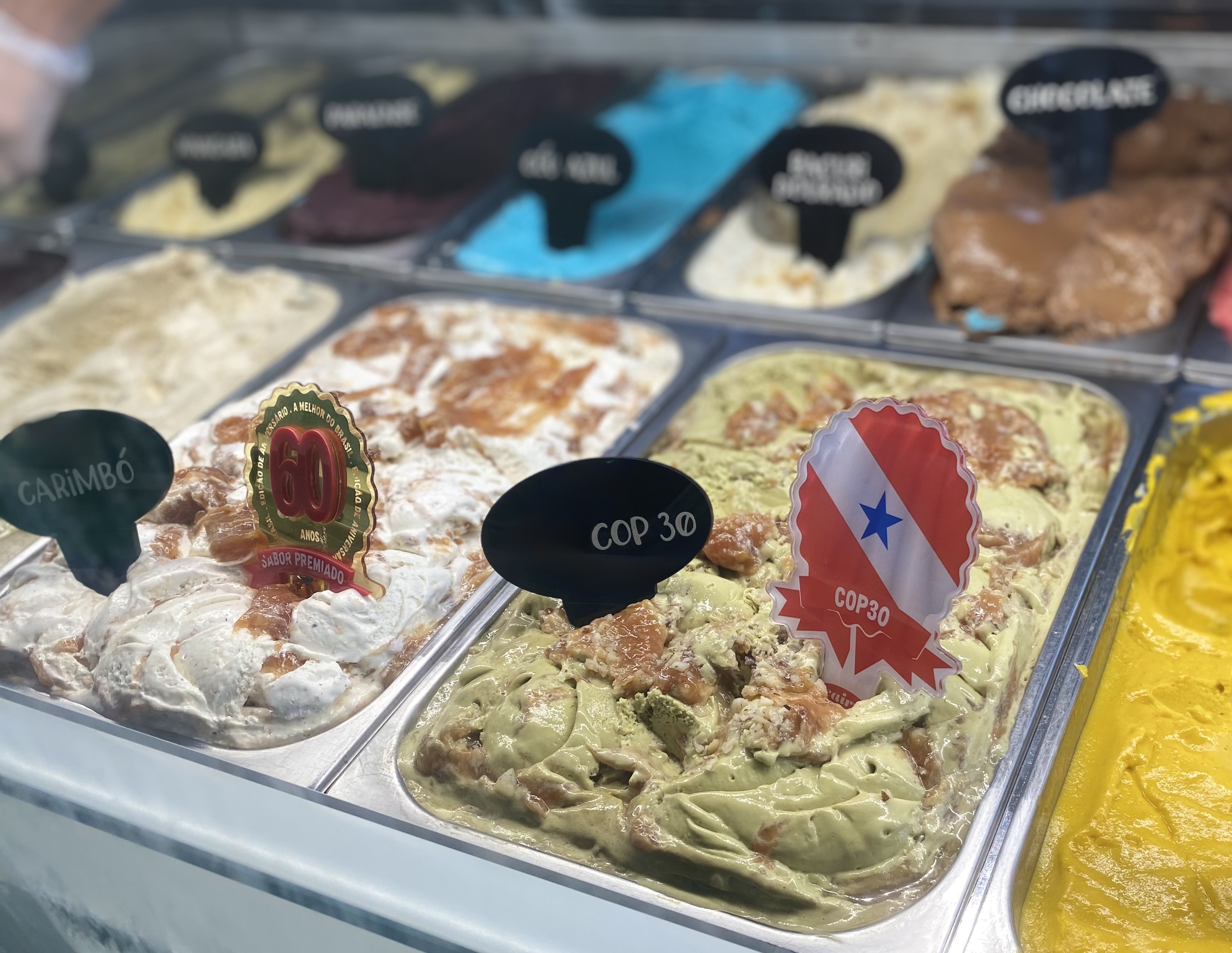
After the main course, a short walk along the Guamá River waterfront will take you to Estação das Docas, where you can enjoy dessert. There you will find one of the best ice cream shops in the world, recognized in international rankings, which attracts tourists from all over with its typical Amazonian flavors. To celebrate COP30, the team created a special flavor inspired by the idea of “combining what comes from outside with what is regional,” explained one of the attendants. The recipe combines cupuaçu and Brazil nuts, Amazonian ingredients, with pistachios, a fruit native to the Middle East.
Customer Ms. Waldineia Mendonça approved the venture's proposal. While sampling the special COP30 flavor, she praised the novelty: "It's delicious, different. Cupuaçu is very regional, it tastes like our Pará," she comments. She took the opportunity to recommend other flavors typical of the region, such as açaí, tapioca, chestnut, and bacuri (an Amazonian fruit much appreciated by the people of Pará).
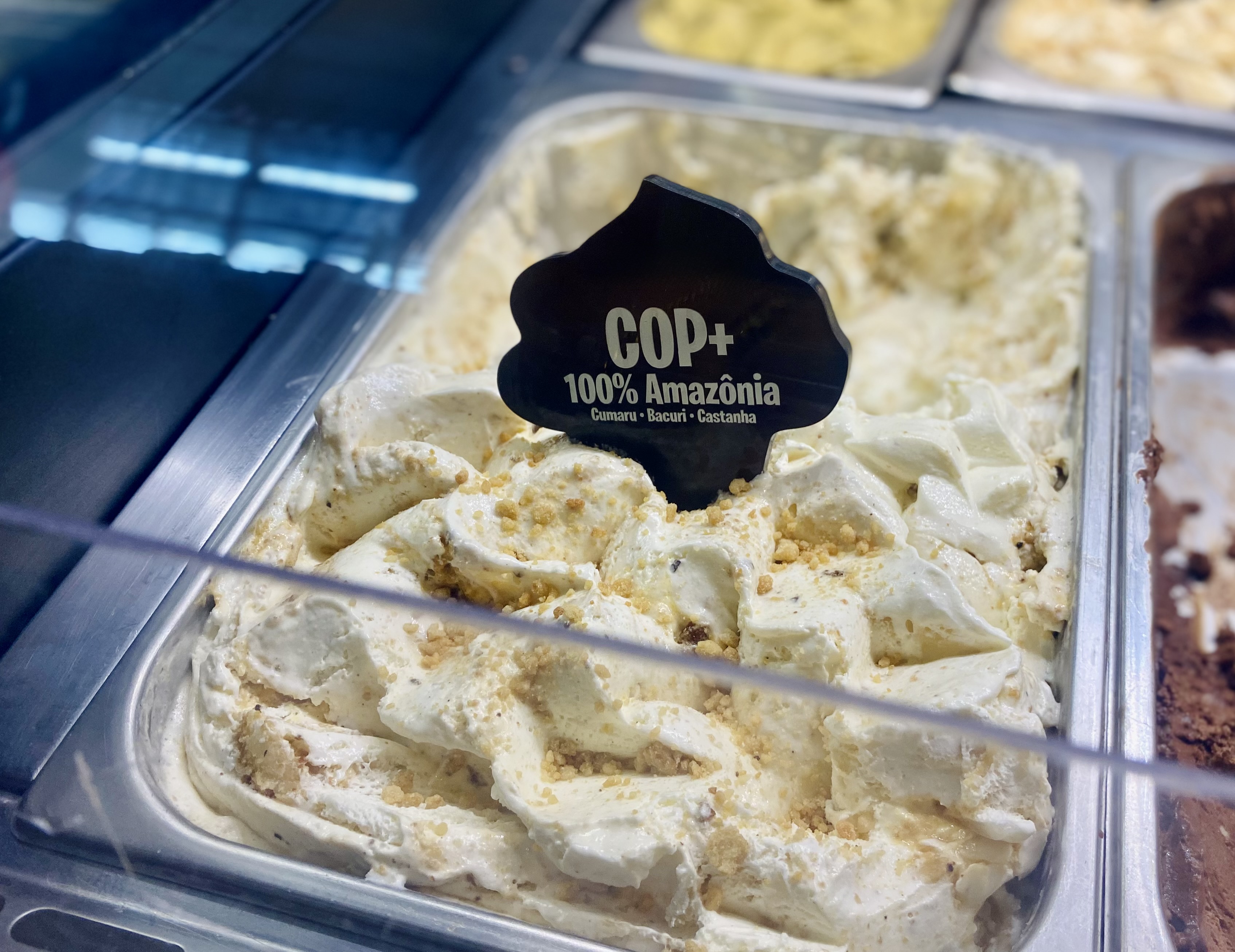
Another ice cream shop took a purely local approach. “We made a COP-inspired flavor using cumaru, known as the vanilla of the Amazon,” explains employee Ms. Jaqueline Moraes. “It also has a Brazil nut crumble and bacuri jam.” According to her, it has become one of their bestsellers. Ms. Jaqueline ends with an invitation: “Our cuisine is incomparable—just like our culture.”
The entrepreneur concludes with an invitation to visitors: “The cuisine here is incomparable, as is the culture.” The hospitality of the people of Belém is indeed another of the unique features of the city that will host COP30. And Belém is ready! Ready to host one of the biggest conferences in history: the COP of flavors, colors, and welcoming people. The COP for the implementation of climate agreements. The COP for tangible measures against climate change.
English version: Trad. Bárbara Menezes.
Proofreading by Enrique Villamil.