
COP30 Presidency engages with civil society on just transition
Ambassador André Corrêa do Lago met with the nine UNFCCC civil society constituencies. The discussion focused on the need to accelerate a just transition
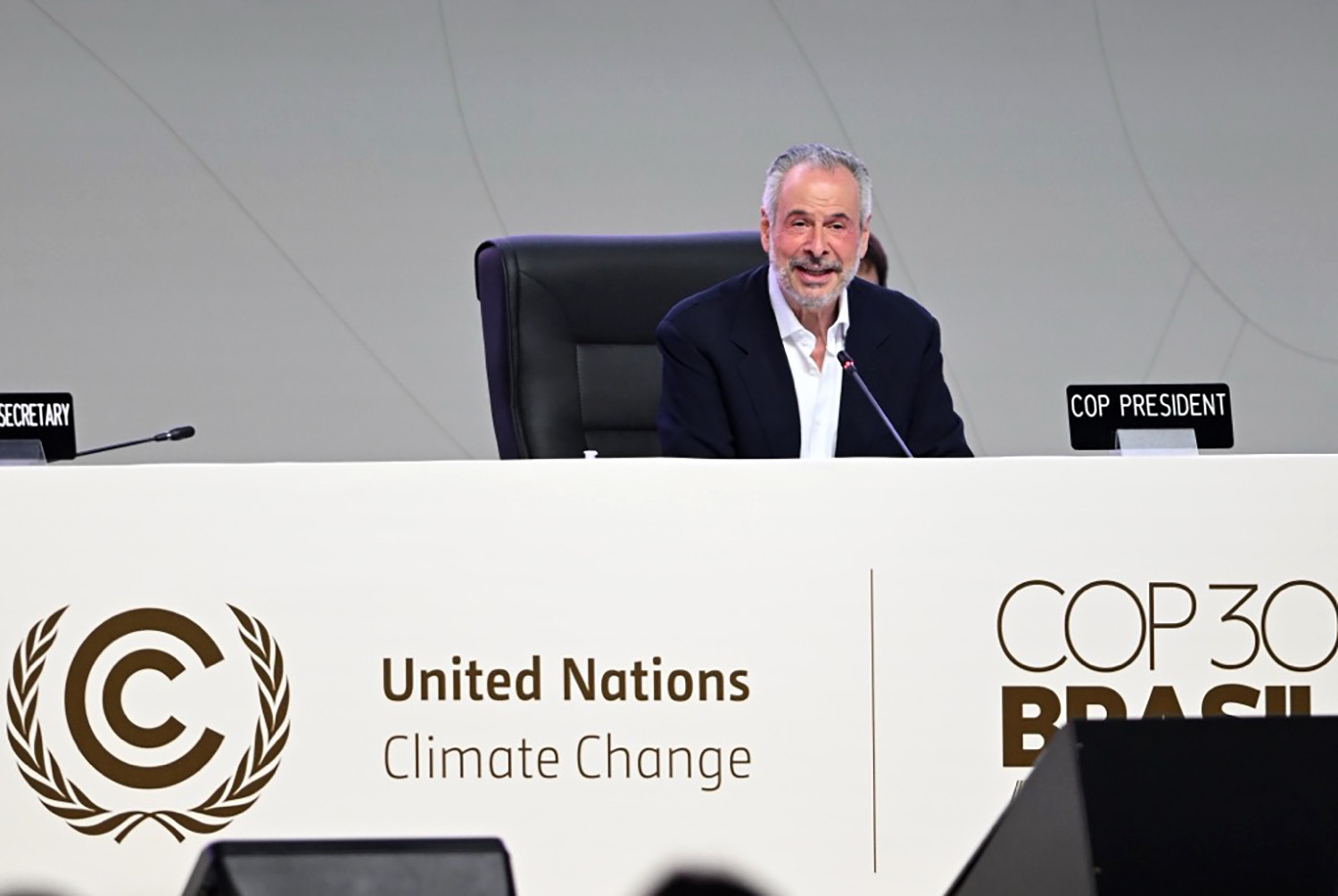
Por Mayara Souto/COP30
A presidência da COP30 promoveu, nesta terça-feira, 11/11, um diálogo aberto com representantes da sociedade civil vinculados à Convenção-Quadro das Nações Unidas sobre Mudança do Clima (UNFCCC) para discutir caminhos para acelerar a implementação de uma transição energética justa.
The COP30 Presidency held, on Tuesday, 11 November, an open dialogue with representatives of civil society linked to the United Nations Framework Convention on Climate Change (UNFCCC) to discuss ways to accelerate the implementation of a just energy transition.
“This space reflects one of the most important principles of the UNFCCC process: that climate action is not only negotiated by governments, but is built through cooperation among peoples. The Open Dialogue embodies this spirit, bringing together Parties, civil society, and all constituencies to listen, exchange ideas, and co-create solutions,” emphasized COP30 President André Corrêa do Lago.
The ambassador also reaffirmed that the climate response must “begin and end with people.” For this reason, he stated, the energy transition must encompass “the entire economy and society,” transforming how we work, produce, and live.
“If we want to accelerate the implementation of the Paris Agreement, we must ensure that every step of this transition protects livelihoods, creates decent work, and reduces inequalities,” he added.
UNFCCC Executive Secretary Simon Stiell also participated in the session. In his remarks, he stated that the just transition requires accelerated implementation, particularly at the national and local levels. “Climate action is working, but we need greater speed and scale,” he concluded.
Open Dialogue
Climate negotiations are composed of Party negotiators, observers, and representatives of civil society. The so-called “constituencies” consist of nine thematic groups of non-governmental organizations (NGOs) that take part in each Conference of the Parties (COP). They are heard by the Parties and contribute to the mandated agenda through open dialogues.
During the dialogue held on the second day of the conference, the constituencies discussed the role of international cooperation in accelerating and supporting a just transition at national and local levels, and how to translate these discussions into concrete actions.
Bert De Wel, Global Coordinator for Climate Policy at the International Trade Union Confederation (ITUC) and representative of TUNGO (Trade Union Organizations), summarized the constituencies’ conversation with the Presidency:
“We heard YOUNGO (Youth Organizations) make very concrete suggestions on how to address the financial dimension. We had my colleague from IPO (Indigenous Peoples Organizations) speak on the legal aspects of ensuring free, prior, and informed consent. RINGO (Research and Independent Non-Governmental Organizations) and farmers are also engaged. And the Women and Gender constituency focused on critical minerals,” concluded De Wel.