
Brazilian state-owned bank prevented inadequate disposal of 22 tons of waste in partnership with waste pickers
Brazilian state-owned bank prevented inadequate disposal of 22 tons of waste in partnership with waste pickers
By Banco do Brasil
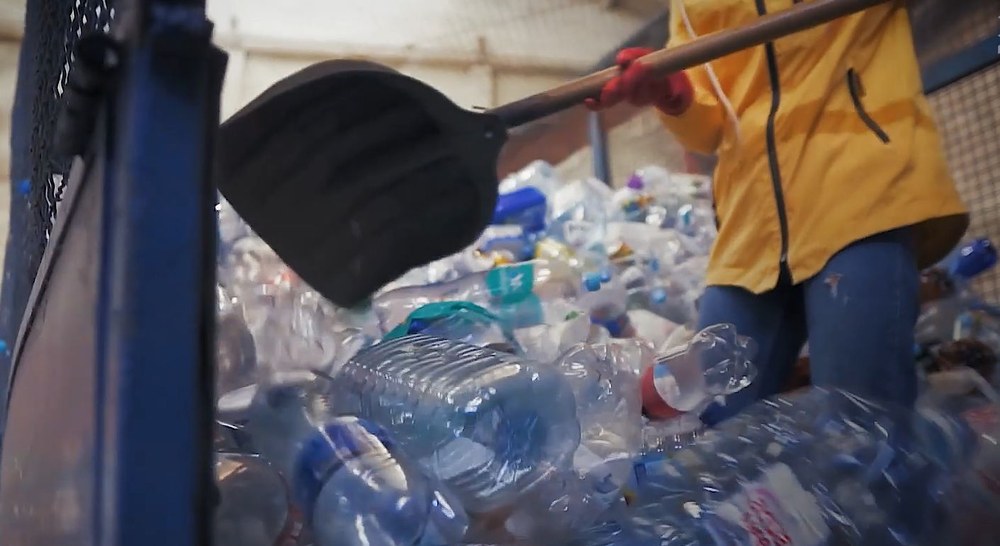
Contributing to the appropriate disposal of urban solid waste and generating income for waste pickers in various locations across the country, Banco do Brasil has reached the milestone of 22.3 tons of recycled materials through the BB Lixo Zero Program, implemented in January of this year. The model is already operating in 512 branches in the states of Rio de Janeiro, São Paulo, Minas Gerais, Bahia, Sergipe, Pernambuco, Paraná, Rio Grande do Sul, and the Federal District. The goal is to reach 3,000 units by July 2027.
With the support of the National Association of Recyclable Material Pickers (Associação Nacional de Catadores e Catadoras de Materiais Recicláveis/Ancat), the program already directly benefits 156 professionals in 21 cooperatives across the country. The association is responsible for visiting the bank branches, indicating the appropriate cooperative to collect the recyclables, and managing the logistics of the collection. During collection, the volume to be collected is measured and registered in a data system, which later also reports the percentage destined for recycling, creating a traceability trail.
"Through this program, we create positive social impacts by integrating waste pickers into the recycling chain. This promotes employment, inclusion, income, and dignity for these workers, who play a fundamental and strategic role in waste management and sustainability in our country. The initiative also helps address climate change because inadequate waste disposal is one of the five largest sources of greenhouse gas emissions,” stressed Mr. Carlos Eduardo Guedes, Director of Supplies, Infrastructure, and Heritage at Banco do Brasil.
According to the latest overview from the Brazilian Association of Waste and Environment (Associação Brasileira de Resíduos e Meio Ambiente/Abrema), the country produced 80.9 million tons of urban solid waste in one year, only 8.31% of which was sent for recycling. Banco do Brasil is presenting the BB Lixo Zero program at COP30 in the Green Zone as an example of a concrete solution to waste management challenges.