
Brazil Launches Task Force for Forest Code Implementation
The initiative primarily aims to accelerate the Rural Environmental Registry (CAR) and the Environmental Regularization of Rural Properties. It is one of the federal government’s initiatives to ensure that this COP becomes the conference of climate policy implementation

By Inez Mustafa/COP30
The federal and state governments, along with the COP30 Presidency launched the Forest Code Task Force, which seeks to accelerate the implementation of the law protecting native vegetation as a strategic tool for territorial planning, environmental compliance, and sustainable development. The launch took place in Brasília (DF) on Friday, October 31.
The event also featured the delivery of the Biome Letters to the COP30 Presidency. These documents are the result of conferences held in the regions of the Atlantic Forest, Caatinga, Pantanal, Cerrado, and Pampa.
Ambassador André Corrêa do Lago, President of the 30th Conference of the Parties, emphasized that valuing domestic knowledge is a strategic asset in negotiations. Translating this internalization into concrete actions is the essence of the “COP of Implementations,” which is expected to define the tone of the conference in Brazil.
“As Rio-92 showed, we must become the greatest experts on ourselves. That way, we become a powerful example for other countries,” he stated.
Forest Code Task Force
Coordinated by the Ministry of Management and Innovation in Public Services (MGI), along with the Brazilian Forest Service (SFB), the COP30 Presidency, state governments, and civil society partners, the initiative puts climate federalism into practice. Ana Toni, CEO of COP30, described the initiative as a model of development with conservation.
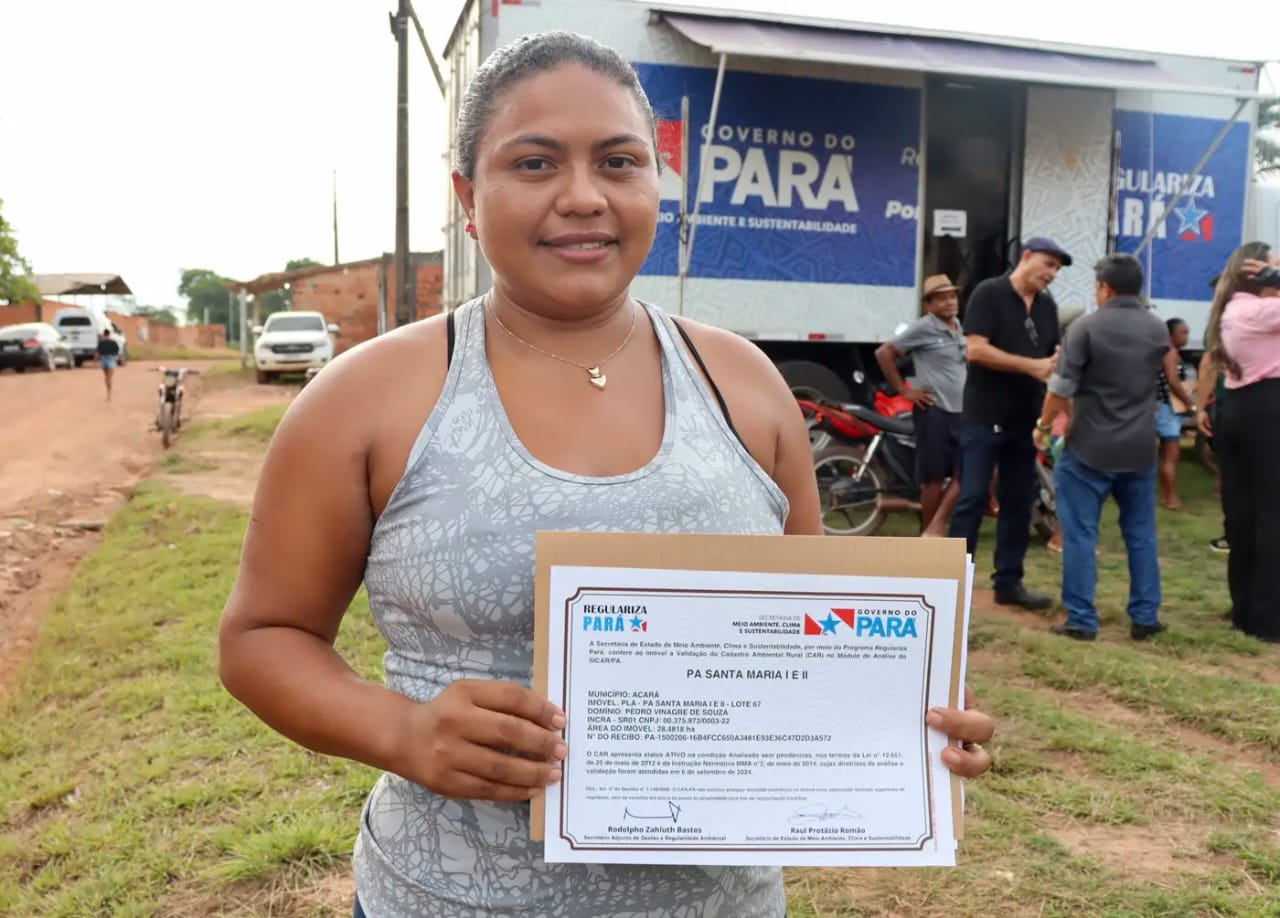
The task force primarily aims to accelerate the Rural Environmental Registry (CAR) and the Environmental Regularization of Rural Properties. Francisco Gaetani, Extraordinary Secretary for State Transformation (MGI), emphasized that this is a tool for peacebuilding and modernization. “CAR resolves rural issues related to the friction between production and conservation,” he explained. He cited support from Norway and Germany for this instrument and mentioned interest from countries like India in adopting this public policy.
Marcus Vinicius da Silva, Acting Director-General of the Brazilian Forest Service, stressed that the Forest Code is more than a legal framework—it is a generational commitment. “It can only be realized through collective action,” he stated.
Rodolpho Zahlut, Deputy Secretary of Management and Regularization of Pará, highlighted the inclusive nature of the task force, which has already begun in the state. “We are serving communities and understanding people’s realities. There will be task forces for women, Indigenous peoples, quilombola communities, and productive chains such as cocoa and palm oil, ensuring that no one is left behind.”
On November 4, a simultaneous task force action will be held across all Northeastern states, as well as Rio Grande do Sul, Santa Catarina, and Rio de Janeiro. Activities will be tailored to the reality of each state and will include lectures, assistance for CAR registration and correction, delivery of registries, and guidance on Environmental Regularization Programs (PRA).
Biome Letters
The documents emerged from the efforts of governors’ consortia, with the goal of ensuring that the demand agenda reflects the regional diversity of each ecosystem. The texts were developed collaboratively among governments, communities, academia, and civil society. Ana Toni emphasized the significance of the initiative. “Many biomes are larger than countries.”
Access the documents delivered to the COP Presidency here:
Translation: Michel Emmanuel Félix François (POET/UFC)
Proofreading: Tadeu Azevedo (POET/UFC)