
BNDES Records Historic High in Forest Investments after Reactivation of Amazon Fund
Brazil’s largest development bank has mobilized R$ 3.4 billion since 2023. The institution’s initiatives involve forest conservation, restoration, and sustainable management
By the National Bank for Economic and Social Development – BNDES
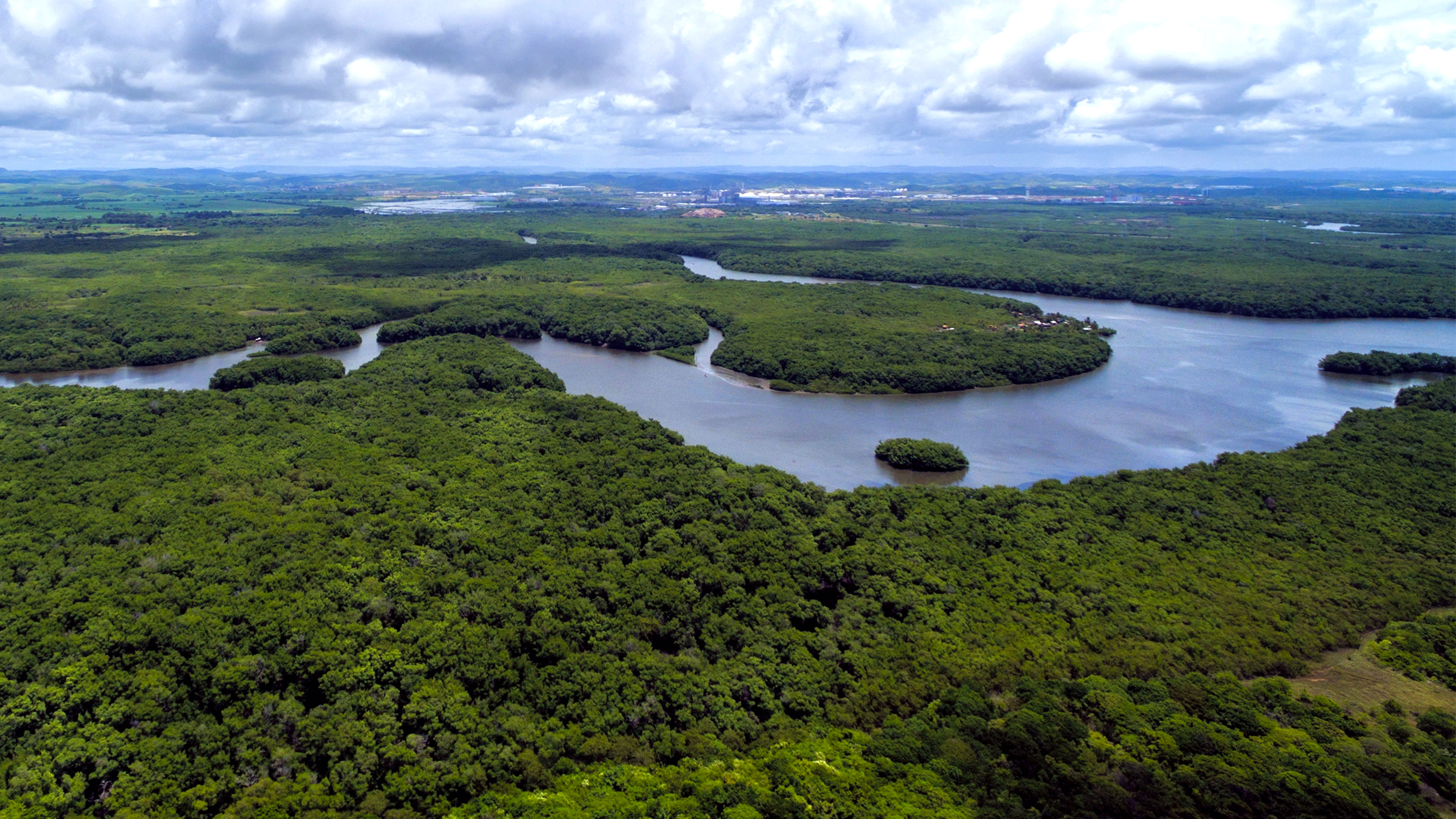
As part of Brazil’s efforts to advance the energy transition and fight climate change, the country’s largest development bank has mobilized R$ 3.4 billion for forest conservation, restoration, and sustainable management since 2023, when the Amazon Fund was reactivated after a four-year hiatus. These initiatives by the National Bank for Economic and Social Development (BNDES) are boosting the bioeconomy of native species as a driver of sustainable growth and positioning the country to meet its goal of restoring 12 million hectares of forest by 2030, in line with Brazil’s commitment under the Paris Agreement.
These resources have enabled the planting of 70 million trees and the creation of 23,500 jobs in the forest economy through actions led by the state-owned bank, which also plays a role in combating deforestation. Funding is channeled through credit, concessions, and non-repayable resources—essentially donations that require counterpart commitments.
Tereza Campello, BNDES’s Director of Socioenvironmental Affairs, stresses that the forest agenda is also an economic one. In partnership with the private sector, the public institution works to build trust in the country and attract new stakeholders and investments.
João Paulo Capobianco, Executive Secretary of the Ministry of Environment and Climate Change (MMA), underscores the importance of initiatives like those led by BNDES. According to Capobianco, Brazil will only be able to meet its commitment to reduce carbon emissions by 59% to 67% by 2035 compared to 2005 levels—as outlined in its Nationally Determined Contribution (NDC)—if it simultaneously invests in two key strategies: reducing deforestation and expanding forest restoration efforts.
Credit – BNDES offers more competitive financing rates for forest-related initiatives than other financial institutions, through a range of products. This month, the bank approved a R$ 250 million loan to Suzano—the largest amount ever allocated from the Climate Fund for the restoration of degraded native forest in Brazil.
The financing targets the ecological restoration of 24,304 hectares of degraded areas in permanent preservation zones and legal reserves across the Cerrado, Atlantic Forest, and Amazon biomes. The project will support the environmental regularization of more than a thousand rural properties spread across six states: São Paulo, Bahia, Espírito Santo, Maranhão, Pará, and Mato Grosso do Sul.
Concession – BNDES’s concession processes enhance biodiversity, ecosystem services, carbon stocks, and both timber and non-timber productivity. These efforts generate lasting social, environmental, and economic benefits. Currently, BNDES’s portfolio includes 38 concession projects, 24 of which are already underway.
“The model attracts private investors responsible for restoring degraded areas, who are compensated through the sale of carbon credits,” explains Nelson Barbosa, BNDES’s Director of Planning and Institutional Relations. “It’s an innovative model with the potential to deliver the scale needed for restoring the Amazon Basin,” he added.
One example of a concession is in the Bom Futuro National Forest, the subject of the first federal concession for restoration in the Amazon. The project aims to restore 12,000 hectares and protect another 78,000 hectares of territory. Over the 40-year concession period, it is expected to generate total revenue of R$886 million and social investments of around R$62 million.
Non-repayable support – BNDES also provides grants that do not need to be repaid like conventional loans, though beneficiaries must reimburse funds if agreed conditions aren’t met.
In early October, the bank launched another call for projects under the Floresta Viva initiative for forest restoration in a potential area covering 61 Indigenous lands in the states of Mato Grosso, Tocantins, and Maranhão. Developed through a partnership between the bank, the Bunge Foundation, and Agrícola Alvorada S.A., the call will allocate R$10 million in non-repayable funds to selected proposals.
The Indigenous lands were chosen to support and strengthen federal government efforts to prevent and combat wildfires. The projects also promote Indigenous family farming through agroforestry systems that aim to balance human needs with biodiversity conservation.
Forests – Launched on October 10, the BNDES Florestas website organizes and brings transparency to the bank’s actions in the forest sector. The initiative includes programs such as Floresta Viva (phases 1 and 2), Arco da Restauração, Restaura Amazônia, ProFloresta+ (in partnership with Petrobras), and innovation projects, as well as credit operations from the Climate Fund and the Amazon Fund.
BNDES – The bank operates on three fronts: climate — positioning Brazil as a global reference in carbon reservoirs through real and biodiverse capture projects; socioenvironmental — valuing traditional communities and ecosystem services; and economic — demonstrating that restoration drives innovation, employment, and value creation.
Translation: Michel Emmanuel Félix François (POET/UFC)
Proofreading: Tadeu Azevedo (POET/UFC)