
Countries and organizations submit inputs to COP30 Presidency roadmaps
Document on fossil fuels received 267 submissions, while deforestation drew 177
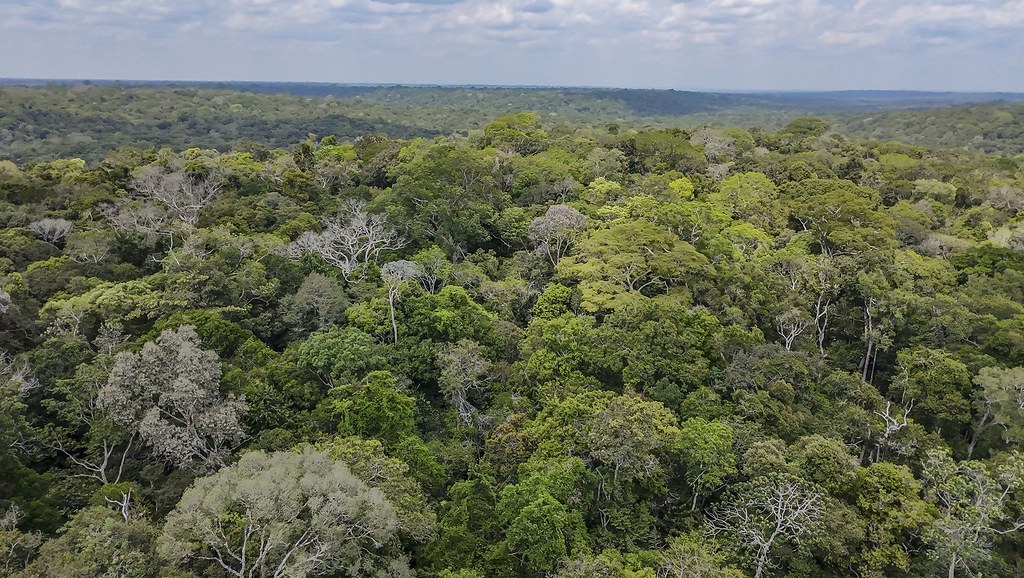
The COP30 Presidency has received 444 contributions to its international roadmaps on transitioning away from fossil fuels and halting and reversing deforestation, following a public consultation that closed earlier this month. Final versions of the documents are expected to be presented ahead of COP31, scheduled for November 9–20 in Antalya, Turkey.
The “International Roadmap of the COP30 Presidency on Transitioning Away from Fossil Fuels in Energy Systems, in a Just, Orderly and Equitable Manner, accelerating action in this critical decade, so as to achieve net zero by 2050 in keeping with the science” (paragraph 28d of the first Global Stocktake) drew 267 submissions. Contributions came from:
17 countries
2 negotiating groups (the Least Developed Countries and the Alliance of Small Island States), representing 76 countries, as well as the European Union (27 member states)
238 organizations
9 UN entities
The “Roadmap to halt and reverse deforestation and forest degradation by 2030” (paragraphs 33 and 34 of the Global Stocktake) received 177 submissions:
14 countries
3 groups (the Coalition for Rainforest Nations, the Least Developed Countries, and the Alliance of Small Island States), representing 104 countries, as well as the European Union (27 member states)
150 organizations
9 UN entities
COP30 President André Corrêa do Lago welcomed the contributions, noting that they reflect strong global interest in advancing these agendas and deepening implementation of decisions adopted in the first Global Stocktake under the Paris Agreement at COP28 in Dubai.
Launched on February 26 and closed on April 10, the consultation process underscores the transparent and consultative nature of the roadmaps development. Though not formally mandated, the documents are being independently developed by the COP30 Presidency, building on discussions initiated by President Luiz Inácio Lula da Silva in Belém on overcoming dependence on fossil fuels.