
COP30 Presidency Develops Roadmap to Halt and Reverse Deforestation and Forest Degradation by 2030
First presentation of the initiative to take place on May 11 during the United Nations Forum on Forests in New York
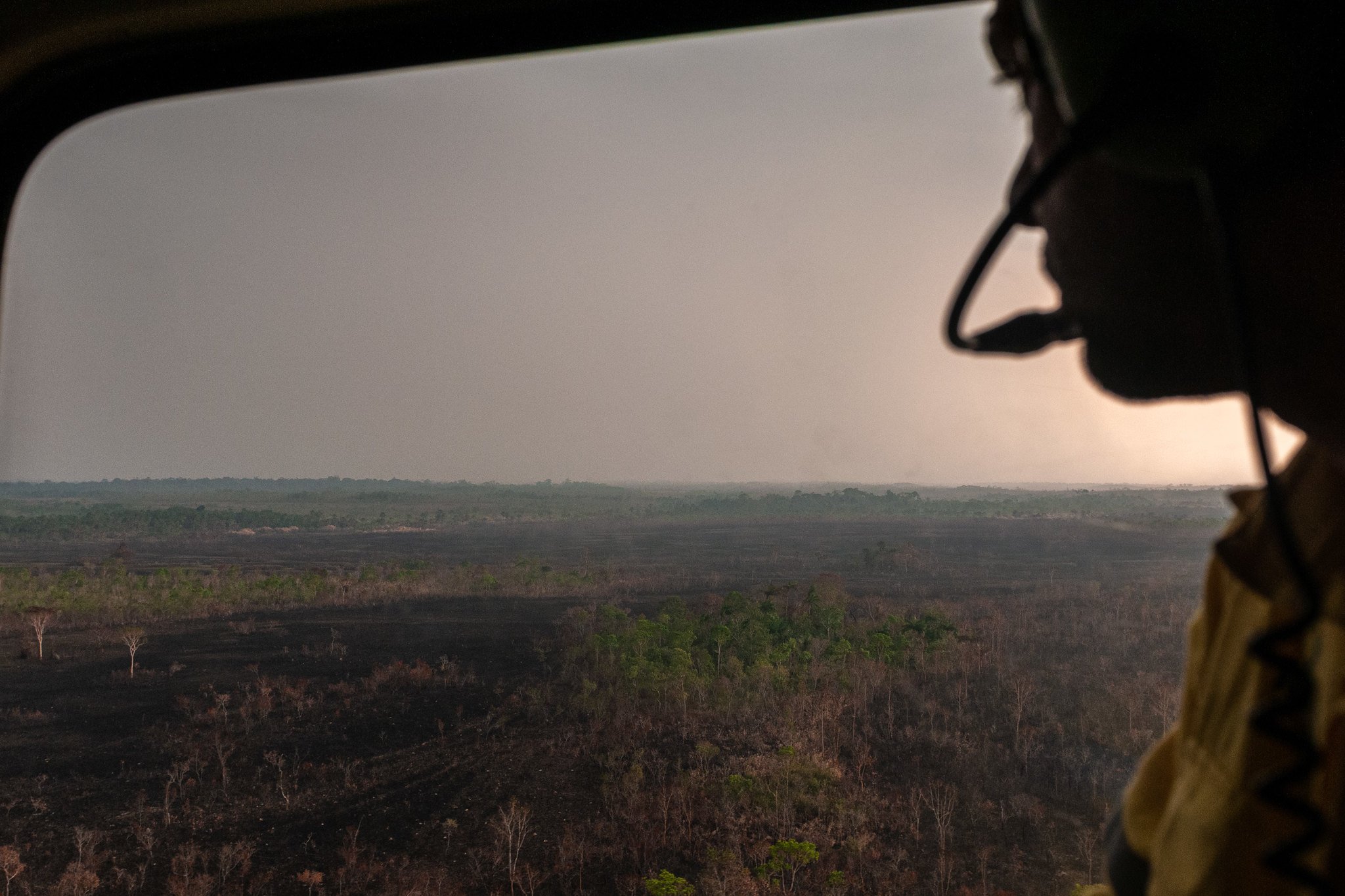
The COP30 Presidency has launched a global consultation process to develop a Roadmap to Halt and Reverse Deforestation and Forest Degradation by 2030. The initiative seeks contributions from Parties to the United Nations Framework Convention on Climate Change (UNFCCC), observer institutions, international organizations, experts, Indigenous Peoples, local communities, and other stakeholders to identify practical solutions, challenges, and opportunities for accelerating forest protection within the global climate agenda.
Currently under development throughout 2026, the Roadmap is intended as a substantive contribution by the COP30 Presidency to international climate efforts. It is not designed as a negotiating text or binding instrument. Instead, it aims to consolidate policy approaches, best practices, financing mechanisms, governance models, and international cooperation pathways that can support countries in strengthening or developing their own national strategies to halt and reverse deforestation and forest degradation by 2030, while respecting differing national circumstances and capacities.
The document is expected to showcase examples of public policies, governance arrangements, financial instruments, Indigenous-led and community-based initiatives, technological innovations, and cooperative frameworks already being implemented across regions and forest ecosystems worldwide. Its overarching goal is to accelerate knowledge-sharing and catalyze concrete action toward forest conservation, restoration, and sustainable management.
The first stage of consultations will begin on May 11 in New York, on the margins of the 21st Session of the United Nations Forum on Forests (UNFF21). The meeting will bring together representatives from governments, international organizations, civil society, Indigenous Peoples, the private sector, and academia. The consultation process will continue over the coming months, with a consolidated version of the Roadmap expected to be presented during the United Nations General Assembly in September, alongside New York Climate Week.
The May 11 session will be streamed online from 1:15 PM to 2:30 PM (ET): https://webtv.un.org/en/asset/k1w/k1w44jofgf
By placing forest protection and regeneration at the center of the international climate agenda, the COP30 Presidency reinforces the role of the Action Agenda as a platform for connecting climate ambition with implementation, according to COP30 President Ambassador André Corrêa do Lago.
“Our goal with the COP30 Presidency Roadmap to Halt and Reverse Deforestation and Forest Degradation by 2030 is to move beyond commitments and accelerate implementation by offering a practical, action-oriented instrument that countries can use to guide and strengthen forest policies on the ground,” he said.
The initiative reflects an integrated approach linking environmental protection and economic development, signaling a broader shift in perspective: forests are not a cost to be managed, but a foundation for resilience, prosperity, competitiveness, and human well-being.
The Roadmap is grounded in a widely recognized scientific and political consensus: without halting deforestation by 2030, achieving global climate goals will become exceedingly difficult. Forests are critical not only as carbon sinks, but also for regulating water cycles, protecting biodiversity, strengthening food and energy security, and sustaining the livelihoods of billions of people. Their benefits extend from Indigenous Peoples and traditional communities to urban populations that depend on ecosystem services, water availability, energy systems, and other resources essential to economic stability and daily life.
During the New York event, representatives from major forest regions — from the Amazon to Southeast Asia, from the Congo Basin to North America’s boreal forests — will share region-specific experiences, challenges, and policy solutions, underscoring both the global nature of the crisis and the need for locally grounded responses.
Finance and Governance
Diplomat Marco Túlio Scarpelli Cabral, who coordinates the initiative, emphasized that forest degradation is a global challenge affecting tropical, temperate, and boreal forests alike. Scientific evidence, he noted, reinforces the urgency of accelerating implementation of multilateral commitments as the world approaches critical ecological tipping points.
“Developing countries continue to face significant constraints in technical capacity and access to financing needed to halt deforestation and reverse forest degradation. Strengthening financial flows and forest protection mechanisms will be decisive in enabling these countries to expand their contribution to global climate goals,” Cabral said.
A central pillar of the initiative is the recognition that tackling deforestation requires stronger international coordination and a more robust architecture for cooperation. In addition to identifying financing gaps and recommending improvements to climate finance systems, the Roadmap is expected to support advances in capacity-building, technology transfer, and regulatory frameworks that facilitate implementation in developing countries.
Among the instruments under consideration are private capital mobilization, expansion of results-based financing mechanisms, strengthening high-integrity carbon markets, and support for sustainable value chains and bioeconomy models.
Halting and reversing deforestation by 2030 is widely acknowledged as an ambitious objective, but it remains one of the most consequential commitments in the global climate agenda. Forests contain strategic carbon stocks and offer some of the most scalable mitigation solutions available in the near term. At the same time, decades of experience demonstrate that forest protection, agricultural production, economic growth, and social inclusion can advance together.
Against this backdrop, the COP30 Presidency aims to build a reference framework broad enough to foster international convergence while flexible to accommodate different national realities. The central premise is that the political, economic, and institutional tools needed to produce meaningful results already exist. The challenge now is to scale them with greater coordination, continuity, and urgency.