
COP30 Presidency Releases Executive Report and Outlines Next Steps to Accelerate Global Climate Implementation
Document consolidates the road to Belém, summarizes conference outcomes, and highlights the COP30 Presidency’s commitments to advance Roadmaps and the Global Climate Action Agenda
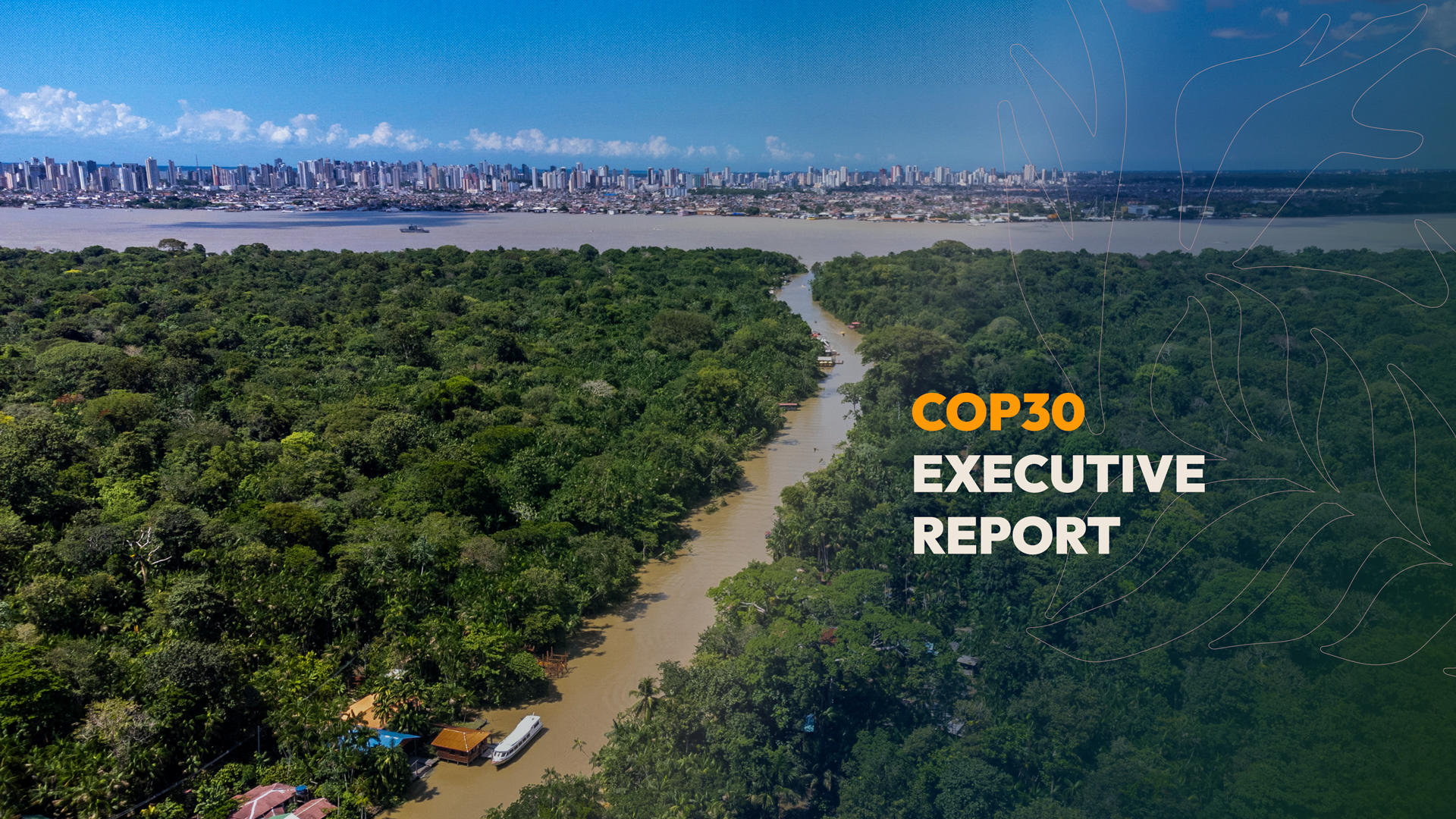
The COP30 Presidency today released the Executive Report of the United Nations Climate Change Conference held in Belém, last November, outlining the key political, normative, and implementation outcomes and the commitments that will guide the Presidency’s work in the months ahead to sustain momentum for global climate action.
COP30 marked a decisive moment for international climate cooperation. The conference brought together delegations from nearly every country in the world and resulted in the adoption of 56 decisions by consensus, reaffirming Parties’ commitment to advancing global climate action. More than a single event, the COP was conceived as part of a continuous process of mobilization to translate international commitments into tangible results for people and the planet.
As part of this effort, the COP30 Presidency committed to developing Roadmaps designed to support the implementation of decisions and guide global engagement in key strategic areas.
These include:
• The COP30 Presidency Roadmap for Transitioning Away from Fossil Fuels in a Just, Orderly and Equitable Manner, which will compile evidence, identify opportunities, and support international dialogue on pathways for this transition.
• COP 30 Presidency Roadmap for Halting and Reversing Deforestation and Forest Degradation by 2030, reinforcing the role of forests in climate action and sustainable development.
The Presidency is also continuing work to consolidate the Baku to Belém Roadmap, aimed at mobilizing US$1.3 trillion in climate finance, enabling the implementation of the Paris Agreement’s goals, particularly in developing countries.
Another central priority is advancing the adaptation agenda, fostering dialogue among governments, financial institutions, and other stakeholders to expand financing and support the implementation of concrete adaptation actions across regions.
COP30 also strengthened the role of the Global Climate Action Agenda and launched the Global Implementation Accelerator, initiatives designed to mobilize governments, the private sector, cities, and civil society to accelerate the implementation of national climate commitments and adaptation plans.
For the COP30 Presidency, the outcomes achieved in Belém demonstrate that international cooperation remains essential to addressing climate change. At the same time, they reaffirm that climate conferences are milestones within a much broader process that requires the continued engagement of governments, businesses, civil society institutions, and communities worldwide.

“As we prepare for the next rounds of dialogue and for close collaboration on the road to Antalya, we invite you to read this report not only as a record of what has been achieved, but also as a call to sustain momentum, honor our shared responsibilities, and carry forward the spirit of mutirão that Belém inspired. The decisions adopted at the conference should serve as catalysts for economic transformation, for building more resilient societies, and for restoring ecosystems. The journey continues—and it will require the commitment of us all”.
André Aranha Corrêa do Lago
COP30 President
Ana Toni
COP30 CEO