
COP30 and COP31 Strengthen Cooperation During Technical Visit to Embrapa Soils, Showcasing Solutions for Resilient Food Systems
Joint initiative by COP30, Embrapa, and partners strengthened the exchange of experiences on sustainable agriculture, innovation, and the implementation of climate commitments
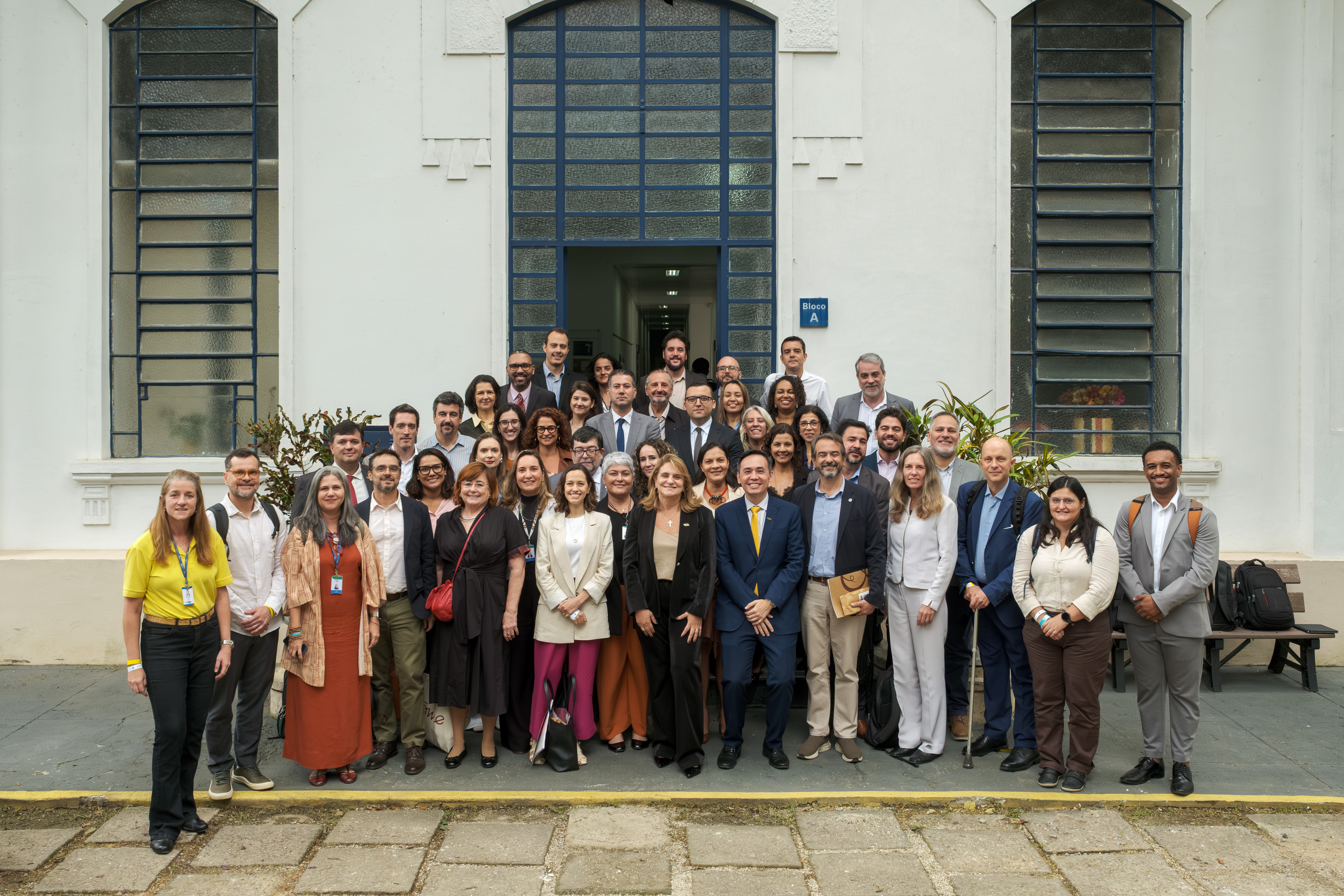
As the global climate agenda shifts from negotiation to implementation, the COP30 Presidency and the incoming COP31 Presidency strengthened cooperation on resilient food systems and climate adaptation during a technical visit to Embrapa Soils in Rio de Janeiro on June 1. Organized in partnership with the Brazilian Agricultural Research Corporation (Embrapa) and Instituto Clima e Sociedade (iCS), the visit brought together government officials, researchers, and stakeholders from across sectors to exchange experiences on scaling climate solutions, transforming food systems, and advancing the Global Climate Action Agenda ahead of COP31 in Antalya.
The program was led by senior Embrapa officials, including President Silvia Massruhá, Innovation Director Ana Euler, and Marcelo Morandi, Head of International Relations, alongside representatives of the COP30 Global Climate Action Agenda. The Turkish delegation included Mehmet Yener, Deputy Director General at the Ministry of Agriculture and Forestry, and Ömer Öztürk, Head of Adaptation to Climate Change and Local Policies at the Ministry of Environment, Urbanization and Climate Change, reflecting the growing collaboration between the COP30 and COP31 Presidencies to advance a shared implementation agenda.
“We witnessed a glimpse of the richness of the AgriZone, its living showcases, and the mobilization taking place across all Brazilian biomes. The process helped bring visibility to solutions that already exist and that, through COP30, were transformed into Plans to Accelerate Solutions (PASs) designed to scale their impact,” said Bruna Cerqueira, General Coordinator of the COP30 Presidency’s Action Agenda.
According to Cerqueira, the discussions also demonstrated that COP31’s focus on Food Security—particularly water resilience, youth engagement, and women’s leadership—already rests on a strong foundation of ongoing initiatives that can be further strengthened to deliver concrete results on the road to Antalya.
Science, Innovation, and Territorial Knowledge
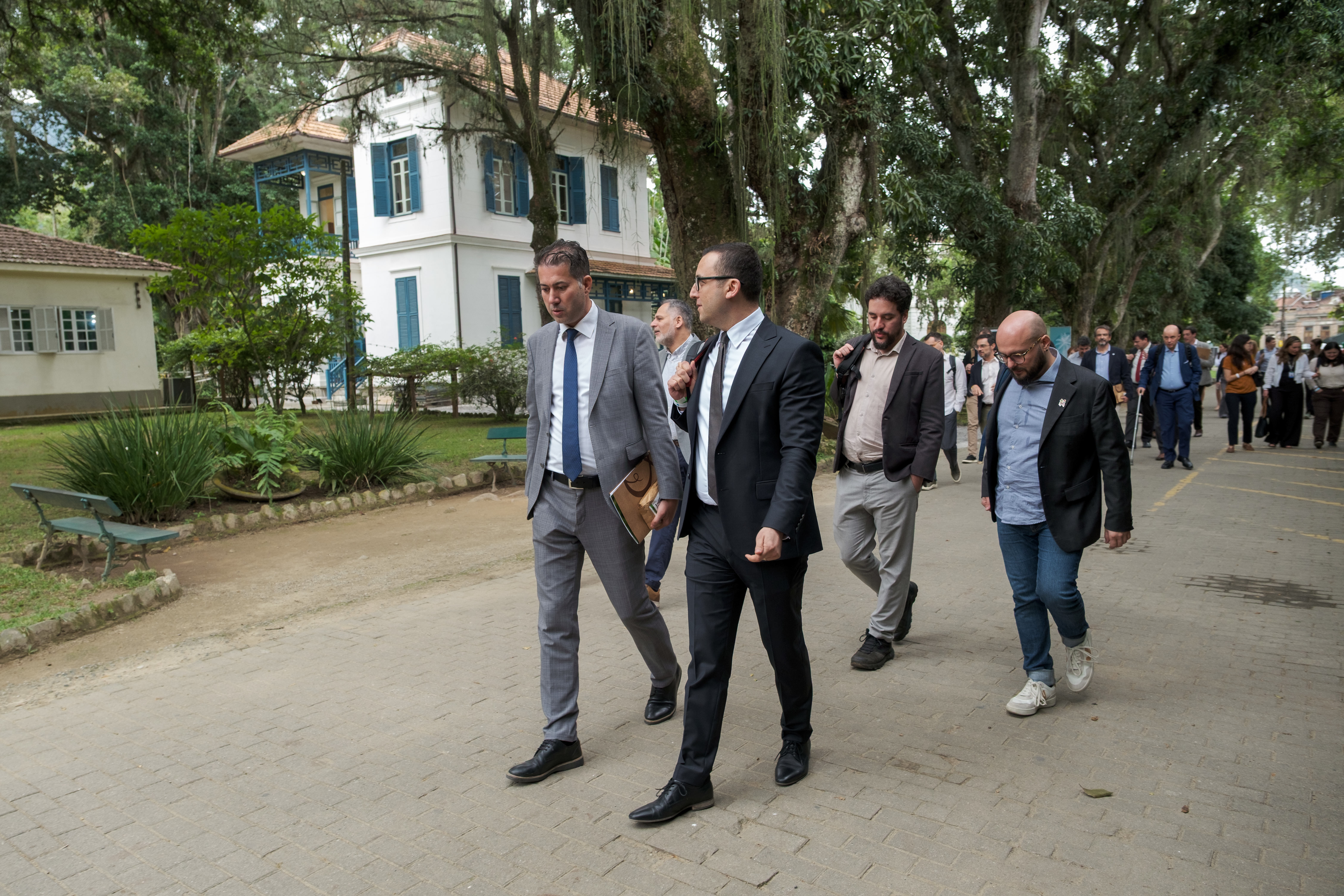
The program began with an immersive introduction to Embrapa’s research, technological development, and science democratization initiatives. Through an interactive format, participants moved across thematic stations dedicated to the integration of scientific knowledge and territorial expertise, climate risk management, bio-inputs, circular economy approaches, and innovation applied to food systems.
AgriZone: A Convergence Space for Climate Action
The morning concluded with a presentation of AgriZone, an initiative developed by Embrapa for COP30 as a practical demonstration space for the transformation of agrifood systems.
More than a thematic pavilion, AgriZone was conceived as a platform for convergence among actors across the food and climate ecosystem, connecting scientists, farmers, governments, financiers, businesses, Indigenous Peoples, traditional communities, and civil society organizations.
Participants learned about the design and implementation of AgriZone at COP30 and its potential contribution to future Climate Conferences, including COP31. The model combines biodiversity-focused spaces, live demonstrations of agricultural technologies, technical discussions, and cultural experiences, creating opportunities for interaction among stakeholders who often operate in separate spheres.
Food Systems as a Platform for Implementation
In the afternoon, discussions turned to the role of food systems in delivering climate commitments.Representatives from Brazil’s Ministry of Agriculture and Livestock (MAPA) and Ministry of Agrarian Development and Family Farming (MDA) presented the Solution Acceleration Plans for degraded land restoration (RAIZ) and agroecology and agroforestry (TERRA), both launched at COP30.
The presentations highlighted the importance of systemic approaches capable of connecting public policy, finance, technical assistance, technological innovation, and market access to accelerate the scaling of these solutions globally. Discussions underscored the need for stronger coordination among implementation plans and for expanded collaboration with financial institutions, cooperatives, civil society organizations, universities, and private-sector actors.
Participants highlighted a range of measures aimed at accelerating the transition to more resilient and sustainable food systems. Key priorities included strengthening cooperatives to improve market access, expanding technical assistance and rural extension services to support the adoption of climate-resilient technologies, broadening access to finance for the ecological transition, and scaling the use of innovative technologies and bio-inputs. Discussions also emphasized the need to create new market opportunities for family farmers and rural producers, helping translate climate solutions into tangible economic benefits on the ground.
The visit reinforced the role of the COP process as a platform for mobilization and implementation, connecting diverse sectors around practical solutions to climate challenges. It also highlighted how initiatives developed in the context of COP30 can help sustain international implementation efforts, deepen cooperation among countries, and strengthen multi-stakeholder networks dedicated to transforming agriculture and building more resilient, inclusive, and climate-adapted food systems. “We will continue sharing experiences and lessons learned to address implementation challenges and accelerate solutions that are already making a difference on the ground,” added Cerqueira.