
Brazil to host COP15 in wetlands and lead global debate on migratory species protection
The meeting will take place from March 23 to 29, in the city of Campo Grande, bringing together governments, scientists and civil society to discuss solutions to protect migratory species, their habitats and migration routes.
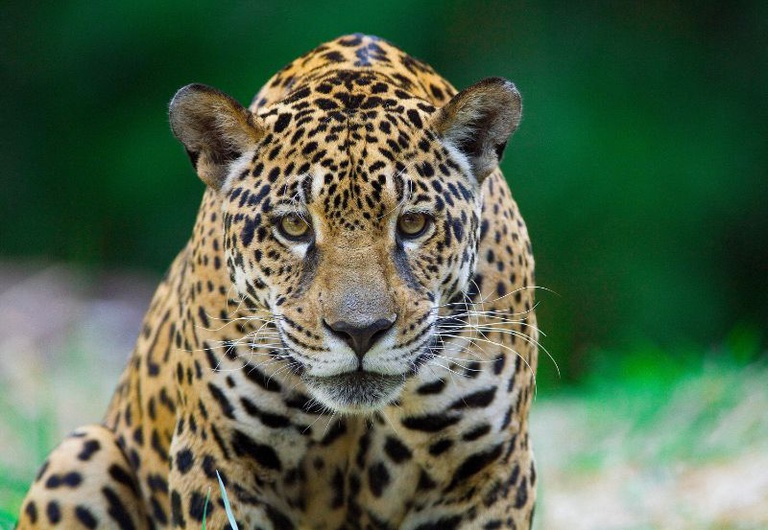
The 15th Conference of the Parties to the Convention on the Conservation of Migratory Species of Wild Animals (CMS COP15) will be held in Brazil from March 23 to 29, 2026, in Campo Grande, in the state of Mato Grosso do Sul. It will be the first time the country hosts the conference, placing Brazil at the center of the global debate on biodiversity and wildlife conservation.
Organized by the Government of Brazil, the conference will be presided over by the Executive Secretary of Brazil’s Ministry of the Environment and Climate Change and COP15 President-designate, João Paulo Capobianco. The event will bring together representatives from governments, scientists, international organizations and civil society. Over the course of a week, more than 2,000 participants are expected to discuss challenges and solutions for the conservation of migratory species, their habitats and migration routes.
Brazil plays a crucial role as a corridor for many migratory species, serving as a resting, feeding and breeding area. In this context, the high-level international debate will bring together the 133 Parties to the Convention on the Conservation of Migratory Species of Wild Animals to assess the status of migratory species, define priorities for the coming years and make joint decisions on policies, actions and investments needed to safeguard migration routes and prevent biodiversity loss.
According to Capobianco, COP15 represents one of the most significant expressions of international cooperation for biodiversity conservation.
“Migratory species move across countries and continents. Many pass through Brazil, but they do not belong to a single territory. COP15 is therefore an important act of cooperation that depends on multilateral efforts and international collaboration at the highest level. The Pantanal is a key axis for both conservation and sustainable development, particularly tourism. International tourism highlights the biome’s global biological relevance and reinforces its scenic, cultural and environmental value as a unique territory,” he added.

What’s COP15?
Like the COP30 UN Climate Change Conference, the Conference of the Parties to the United Nations Framework Convention on Climate Change held in Belém, the CMS COP15 is the highest decision-making body of a multilateral United Nations treaty.
In both cases, the COP format brings together signatory countries to review progress, update commitments and define priorities for the next period. The difference lies in the focus of each convention: while COP30 addresses global climate goals, CMS COP15 is dedicated exclusively to the conservation of migratory species and their migration routes. It is the only global convention devoted solely to this issue.
Both conferences reflect the growing recognition that the major environmental challenges of our time—climate change and biodiversity loss—require coordinated responses among nations and cannot be addressed in isolation.
What are migratory species?
Migratory species move from one place to another at specific times of the year, following patterns that are generally regular, cyclical and predictable. This behavior occurs across all major animal groups, including mammals, birds, reptiles, amphibians, fish and insects.
Within the CMS framework, a migratory species is defined as one whose population, or part of it, crosses international borders during its life cycle. As a result, protecting these animals depends on cooperation among different countries.
These movements occur for a variety of reasons, including the search for food, water, suitable temperatures and safe breeding sites. Migration patterns vary widely among species. Sea turtles, for example, travel vast distances alone across oceans, while other species migrate in large groups.
Around 1,189 migratory species are currently protected under CMS, including 962 birds, 94 terrestrial mammals, 64 aquatic mammals, 58 fish species, 10 reptiles and one insect—many of which pass through Brazil.
Conservation
Migratory species play a crucial role in maintaining the balance of ecosystems that sustain life on Earth, with ecological, economic and cultural importance for human societies.
These animals perform essential ecological functions, such as transporting nutrients between terrestrial, freshwater and marine environments. They also provide direct benefits to people, including pollination of agricultural crops, seed dispersal and support for sustainable economic activities such as ecotourism.
Migratory species also serve as important indicators of environmental health. Changes in their behavior or population size can signal problems affecting habitats along their migration routes
Biodiversity under threat
Migratory species currently face two major threats: habitat loss, degradation and fragmentation, which affect about 75% of these animals, and overexploitation, which impacts roughly 70%.
Agricultural expansion is one of the main drivers of habitat loss. Infrastructure in rivers, such as dams, can disrupt fish migration by affecting water connectivity. Overexploitation occurs when species are extracted or used beyond their natural capacity to recover, often for trade or consumption as food, clothing or handicrafts.
To address these challenges, CMS classifies migratory species into two categories: species threatened with extinction, which require strict protection and urgent conservation measures, and species with an unfavorable conservation status that benefit from coordinated international action, such as habitat protection, threat reduction and population monitoring.
The first group is listed in Appendix I of the Convention and the second in Appendix II. Every three years, member countries meet to review and update these lists according to the global status of wildlife and biodiversity.

Expected Outcomes

CMS COP15 aims to advance a series of decisions in support of migratory species, based on an assessment of their conservation status and the actions planned by the 133 Parties to the Convention.
The theme of the 2026 conference is “Connecting Nature to Sustain Life,” highlighting the need to protect not only destinations but also migration routes and stopover sites.
During the conference, proposals to update Appendix I (threatened species) and Appendix II (species with unfavorable conservation status) will be assessed. Progress on Concerted Actions—coordinated international efforts to address threats to migratory species—will also be reviewed.
The conference will also consider recommendations for new regional agreements to protect specific species and approve the budget for the CMS Secretariat’s work over the next three years.
COP meetings traditionally conclude with the adoption of political commitments and high-level declarations, including ministerial statements reaffirming the global commitment to protecting migratory species.
According to CMS, the main documents to be considered at COP15 include:
17 proposals to amend the Convention’s Appendices, some involving multiple species
11 reports on the implementation of Concerted Actions during the last triennium
16 proposals for new Concerted Actions for the next period
National Reports submitted by CMS Parties
Other technical and policy documents supporting the Conference’s decisions
English version: Trad. Andrea Margit