
Belém Gender Action Plan Puts Women at the Center of Climate Action
Adopted by Parties at COP30 in Brazil, the Action Plan integrates gender equality into global climate policies and highlights the role of women in tackling climate change
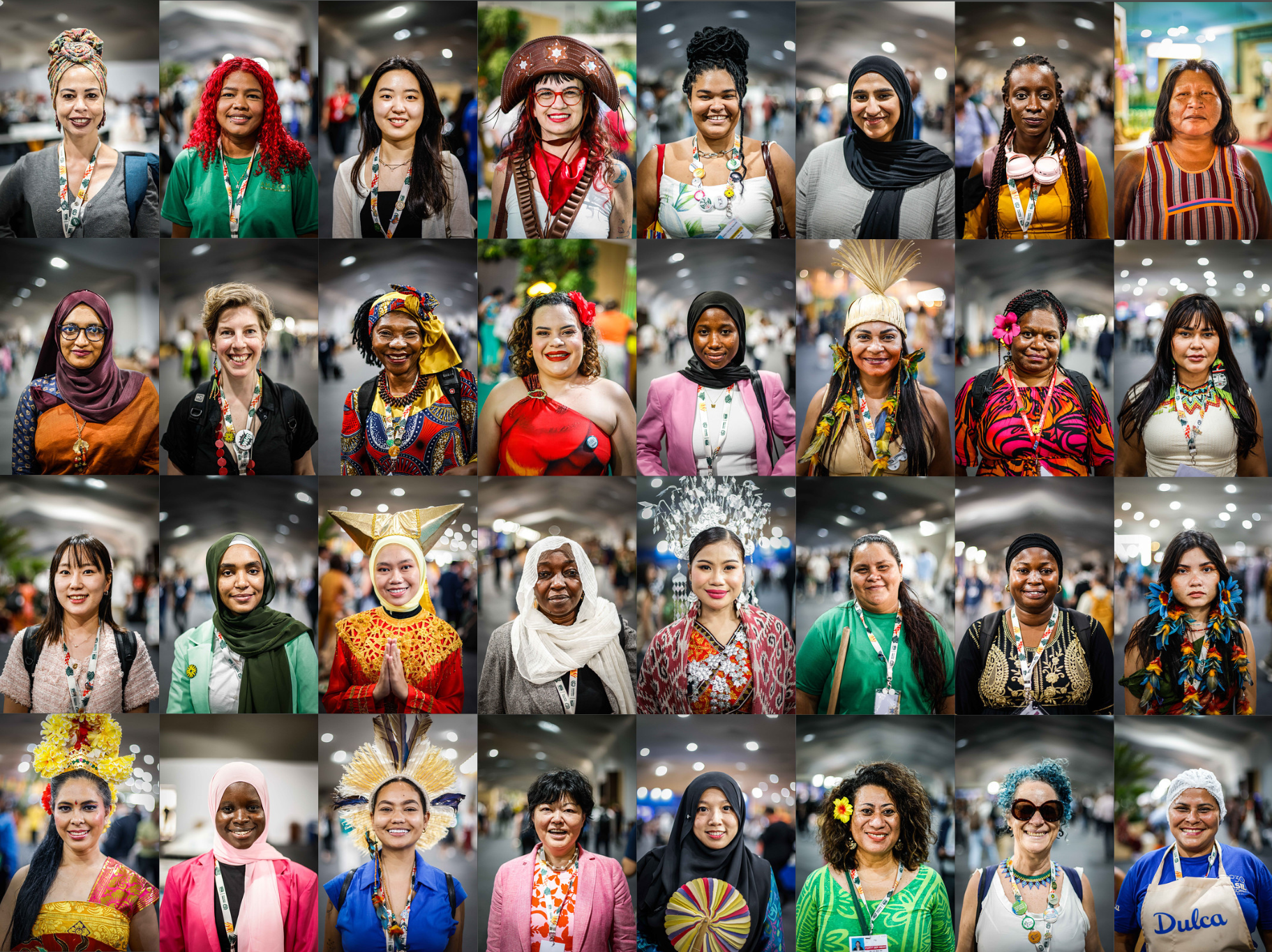
Text: Leandro Molina / COP30
The adoption of the Belém Gender Action Plan was one of the key outcomes of COP30, held in November 2025 in Brazil, in the city of Belém, capital of the state of Pará. The document sets out a series of actions to strengthen women’s participation, expand data and evidence, mobilize financing, and advance technologies that integrate gender equality into climate policies and guide countries’ actions in the coming years.
The plan recognizes that the climate crisis has differentiated social impacts and that women and girls are often among those most affected by extreme events, food insecurity, displacement, and the increased burden of domestic and care work. At the same time, it highlights the fundamental role of women in climate adaptation, natural resource management, and in building sustainable solutions for communities.
International Women’s Day, celebrated on March 8, originates from historic struggles for rights, political participation, and equal opportunities. By linking this milestone to the Belém Gender Action Plan, the United Nations Framework Convention on Climate Change (UNFCCC) calls on governments, United Nations entities, civil society, and other relevant actors to work collectively to strengthen gender-responsive climate policies and actions — from the global to the local level.
In many regions of the world, extreme events such as droughts, floods, and biodiversity loss can disproportionately affect activities in which women play a central role, such as food production, family care, and community-based natural resource management. For this reason, international organizations and governments have increasingly argued that climate policies must take these realities into account.
Call to the international community
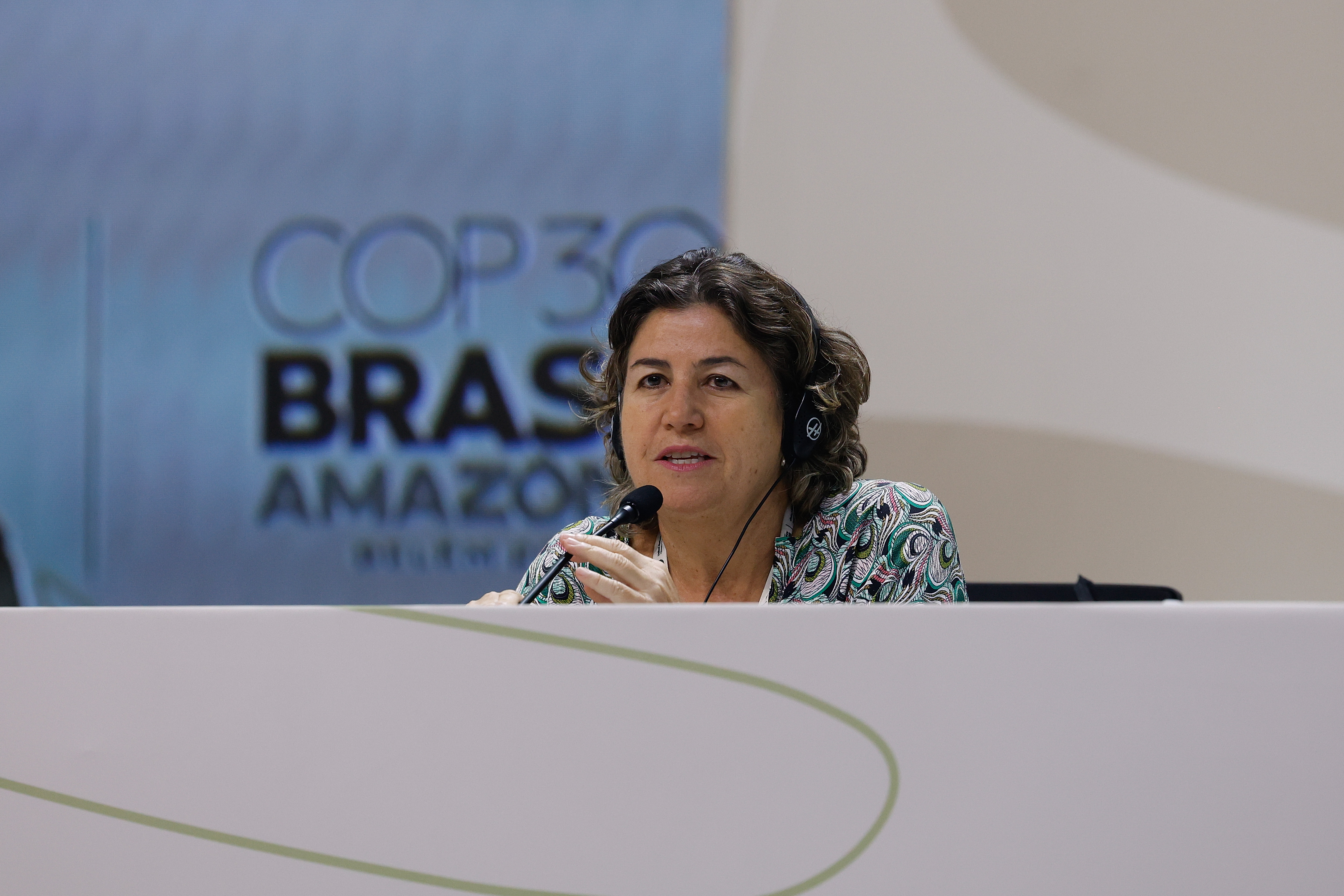
Ambassador Liliam Chagas, Director of the Climate Department at Brazil’s Ministry of Foreign Affairs (MRE), emphasized on this International Women’s Day that climate change has disproportionate impacts on women.
“The rise in global temperatures caused by climate change has a harsher impact on the lives of women and girls, especially those living in vulnerable countries. It deepens inequalities and directly affects areas such as health, education, and safety,” the ambassador said.
Liliam noted that the international community has been seeking responses to this scenario through climate agreements. “In Belém, in the state of Pará, Brazil, one of the most important outcomes achieved at COP30 was the adoption of the Belém Gender Action Plan,” she explained.
According to the diplomat, among the measures included in the plan is the encouragement for governments to produce data on the impacts of climate change on the lives of women and girls, as well as measures to protect them from violence. “This type of information will enable more effective policies,” she emphasized.
The ambassador also stated that Brazil intends to advance the implementation of these initiatives and reaffirmed the country’s commitment to gender-responsive climate policies.
“Brazil is determined to implement these commitments and ensure that climate policies remain gender-responsive. We call on the international community to protect the climate and the fundamental right of women and girls to a healthy life,” she concluded.
The plan adopted at COP30 establishes concrete goals and actions for countries. The document organizes its guidelines across several areas of action, including capacity-building, knowledge generation, balanced gender participation in climate negotiations, implementation of public policies sensitive to inequalities, and mechanisms for monitoring and accountability.
Among the measures are expanding women’s participation in national delegations and decision-making spaces on climate, supporting initiatives led by women, producing data that highlights differentiated climate impacts, and promoting training programs for negotiators and experts in the field.
The plan also reinforces the need to ensure financing and technical support for climate actions that take into account structural inequalities within societies. In this regard, the proposal seeks to expand opportunities for women, especially those belonging to historically marginalized groups such as Indigenous peoples, rural communities, Afro-descendants, and environmental defenders.
Climate justice, inclusion, and women’s participation in global decisions
The COP30 Presidency’s Youth Climate Champion, Marcele Oliveira, is very familiar with the realities and voices of youth, particularly those from marginalized communities. A climate activist who grew up in Realengo, the outskirts of Rio de Janeiro, she notes that the adoption of the Gender Action Plan during COP30 was accompanied by mobilizations from civil society and youth activists who discussed the impacts of the climate crisis on women and girls.
Among the initiatives held alongside the official negotiations was the Women’s Plenary on Gender and Climate, which brought together young people from different countries to debate climate justice, inclusion, and women’s participation in global decision-making.
The event was organized in partnership with Brazil’s Ministry of Women and the National Youth Secretariat, within the Youth City, a space dedicated to youth participation during the Climate Conference. The plenary also included members of the community of Vila da Barca — on the shores of Guajará Bay, in the heart of Belém — and welcomed around 200 young people from 46 countries at the cultural venue Curro Velho.
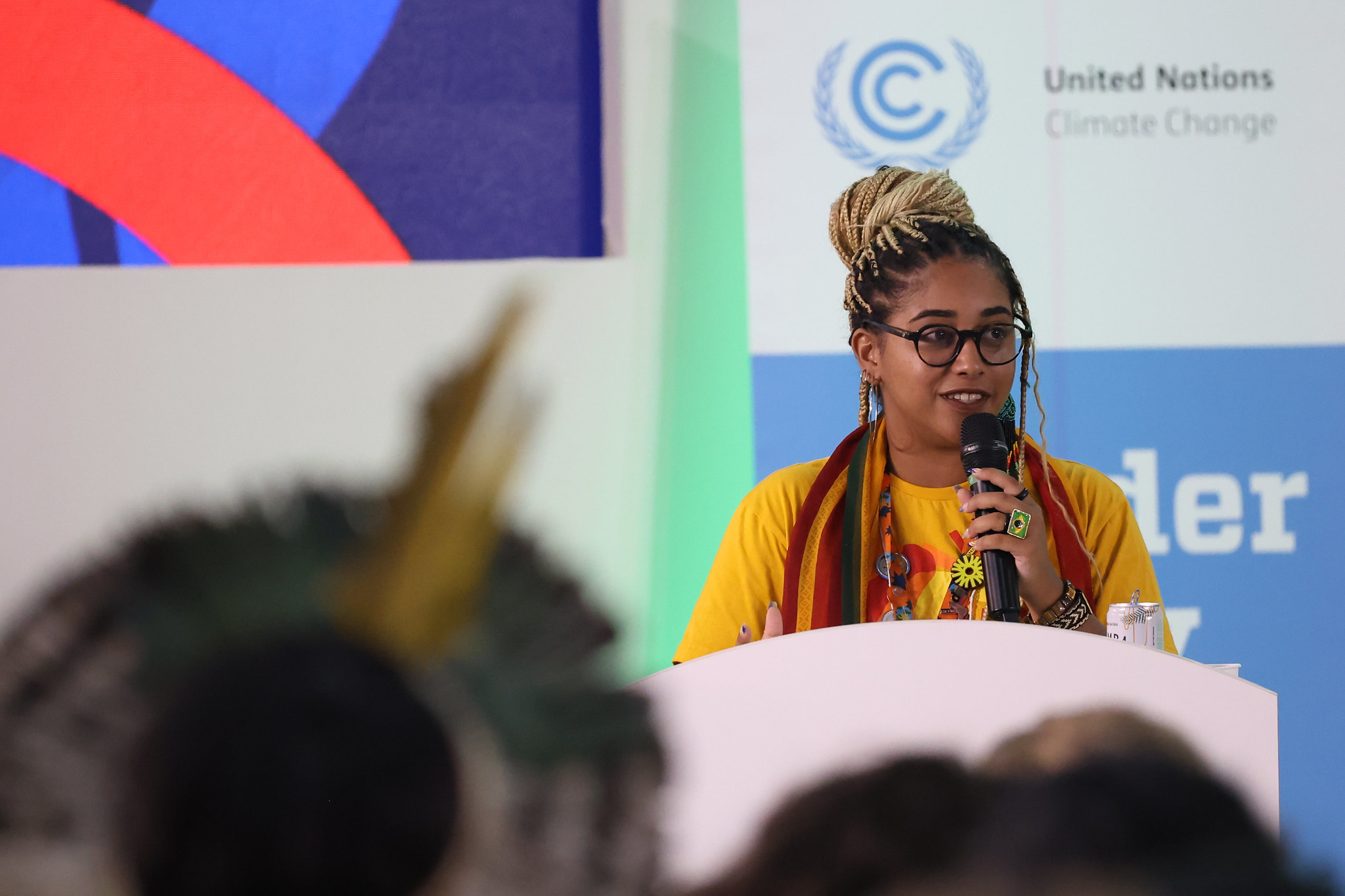
Marcele Oliveira highlighted the diversity of the gathering and the role of youth in building responses to the climate crisis. According to her, important progress was made in international negotiations.
“We celebrated the recognition of disaggregated data by race, gender, and territory, as well as the inclusion of the word ‘Afro-descendants’ in the decision, but we understand that there is still much more to be done,” she said.
The Youth Climate Champion also connected the climate debate to the historic struggles of women for rights and equality.
“The struggle of women for better working conditions, equal pay, and the right to vote — which gave rise to March 8 — lives on in us. Around the world, we are building solutions and resilience that reinforce the call for climate adaptation and a just transition in the face of worsening climate impacts,” she added.
Recent data reinforce the urgency of this agenda. According to a UN Women (2024) report, by 2050 more than 158 million women and girls could be pushed into poverty due to climate change, while around 236 million may face food insecurity.
In this context, Marcele Oliveira stressed that mobilization must be immediate and sustained. “Therefore, the time to act remains today — right now,” she urged.
With a duration of nearly a decade, the Belém Gender Action Plan establishes an implementation timeline with several activities and expected outcomes, as well as international monitoring mechanisms and a mid-term review during the period.
The plan also connects the climate agenda to issues such as food security, health, climate migration, economic inequality, and gender-based violence. It reinforces that effective responses to global warming must take these social dimensions into account — a development that negotiators and experts consider an advance in international climate governance, consolidating the understanding that effective climate policies also depend on promoting equality.
Addressing this issue on International Women’s Day also helps highlight the role of women in protecting the environment. In many parts of the world, women are at the forefront of initiatives related to conservation, sustainable agriculture, defense of territories, and community mobilization in the fight against climate change.
Access the Gender Action Plan here
English version: Trad. Andrea Margit / COP30