
Quality of accessibility services stands out at COP30
Specialized services, provision of wheelchairs, sign language interpreters, volunteer support, and adapted infrastructure ensure the full participation of people with different needs during the Conference
By Fabiana Otero
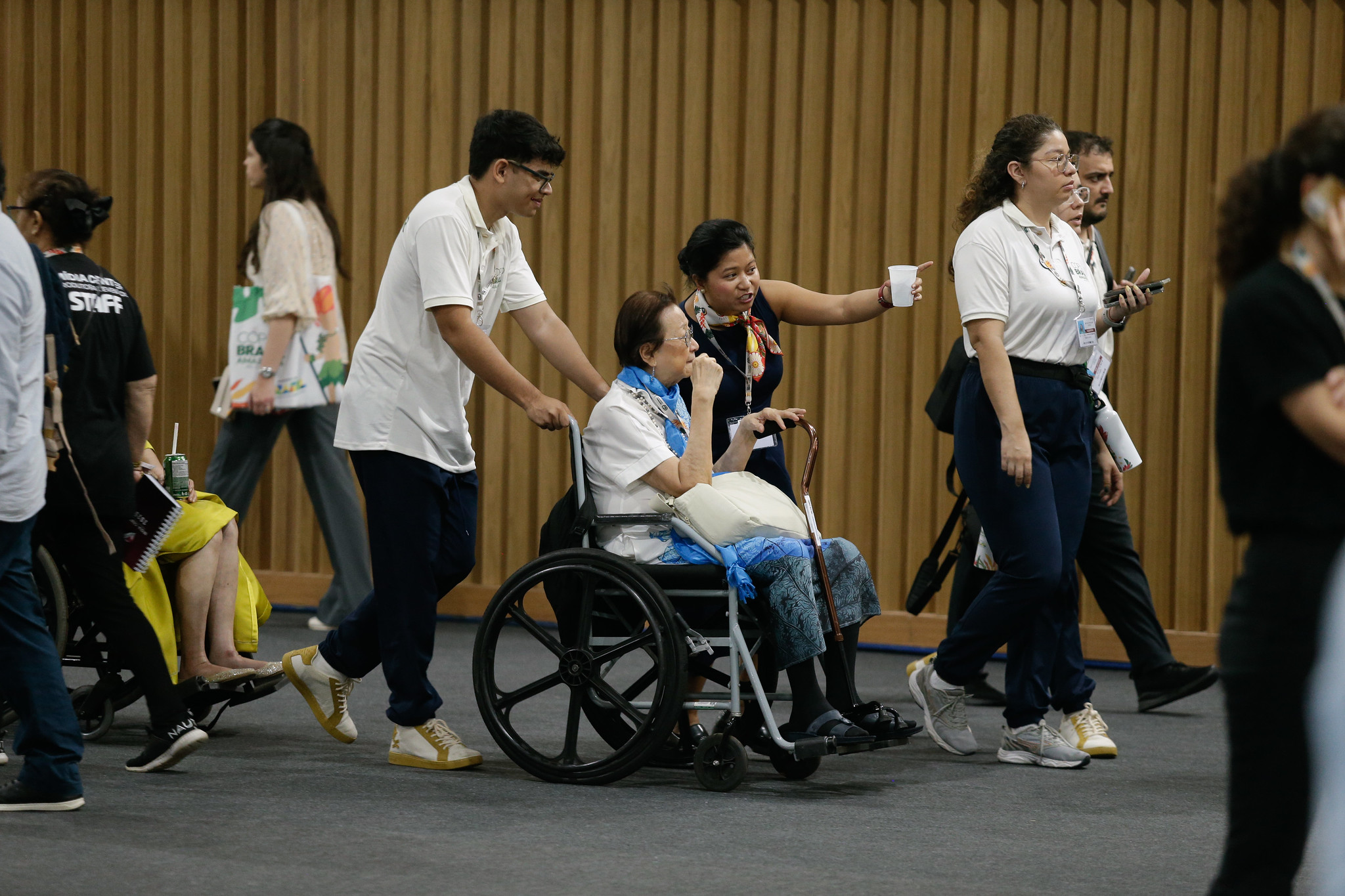
With a commitment to ensuring broad and inclusive participation in the official spaces for debate on sustainability and climate crisis solutions, COP30 organizers provide a series of accessibility services designed to ensure that all participants can follow and engage in the event’s activities. This effort also extends to points of arrival and internal circulation, with dedicated assistance at the airport and on the shuttle buses available to accredited participants.
Each day, the accessibility team and volunteers operate at service counters located in the Green Zone and the Blue Zone, offering direct support to participants. Among the most frequent requests is the loan of wheelchairs, an essential service for ensuring autonomy and mobility within the Conference venues.
Over the course of the event, 210 wheelchair loans were recorded, along with the distribution of 42 Sunflower Lanyards, which are used to identify non-visible disabilities and enhance understanding and appropriate support. For people with sensory sensitivities, 19 noise-cancelling headphones were made available, providing greater acoustic comfort in the busiest areas. The operation also issued 24 priority credentials, which allow drop-offs at locations closer to the entrances, and carried out 41 personalized assistance services, demonstrating the range of needs accommodated by the accessibility team.
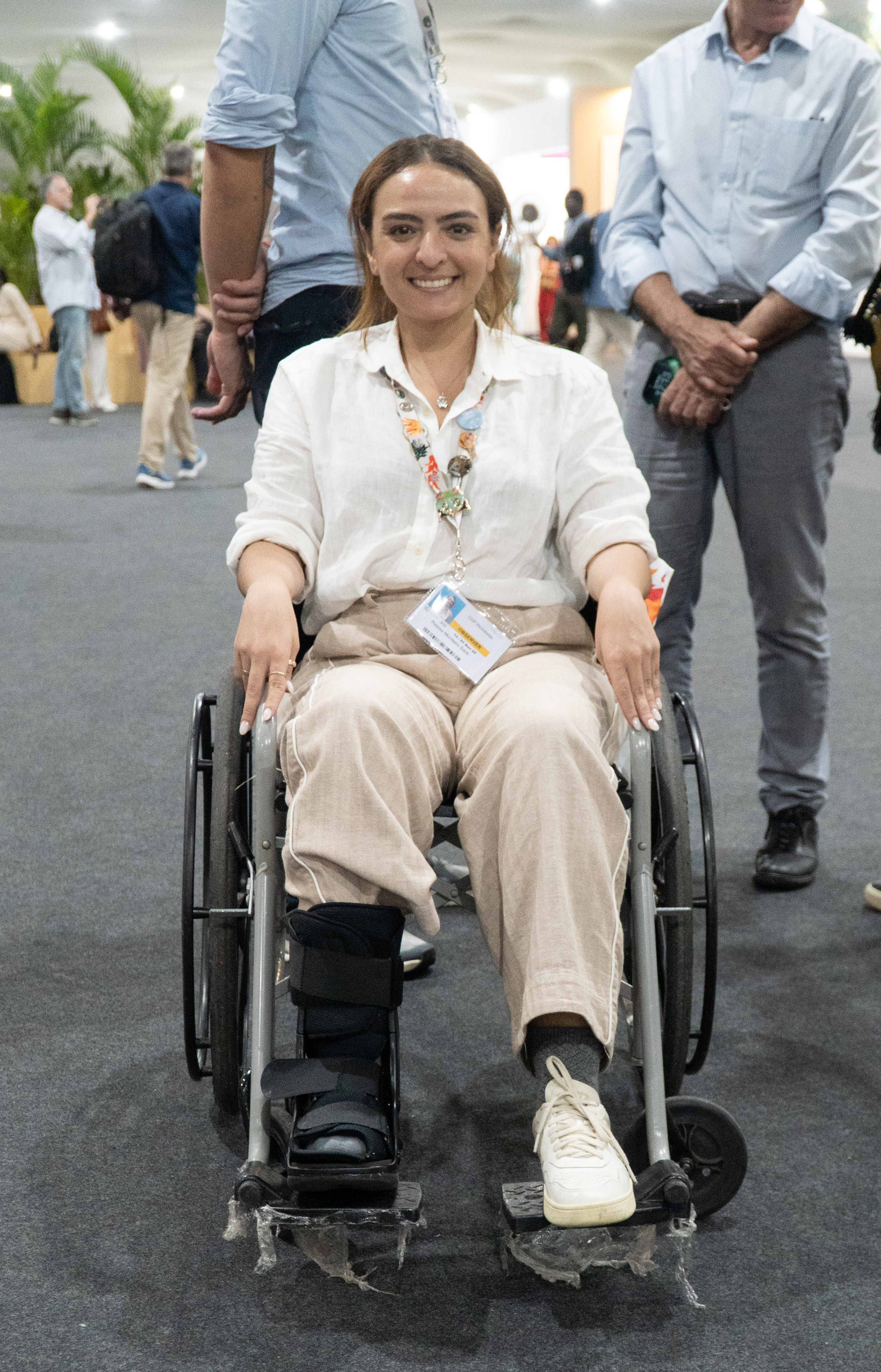
Raíssa Campos, Director of Public Policy and Political Engagement, was among the participants served. With reduced mobility following an accident, she used the wheelchair loan service and emphasized that the support was essential for her mobility in the official COP30 spaces. “Having this type of service here makes things much easier, as it creates a more inclusive event environment. And all the volunteers were very attentive to my needs throughout the day, and I received assistance quickly. Without a doubt, Brazil is doing important work in advancing accessibility,” she said.
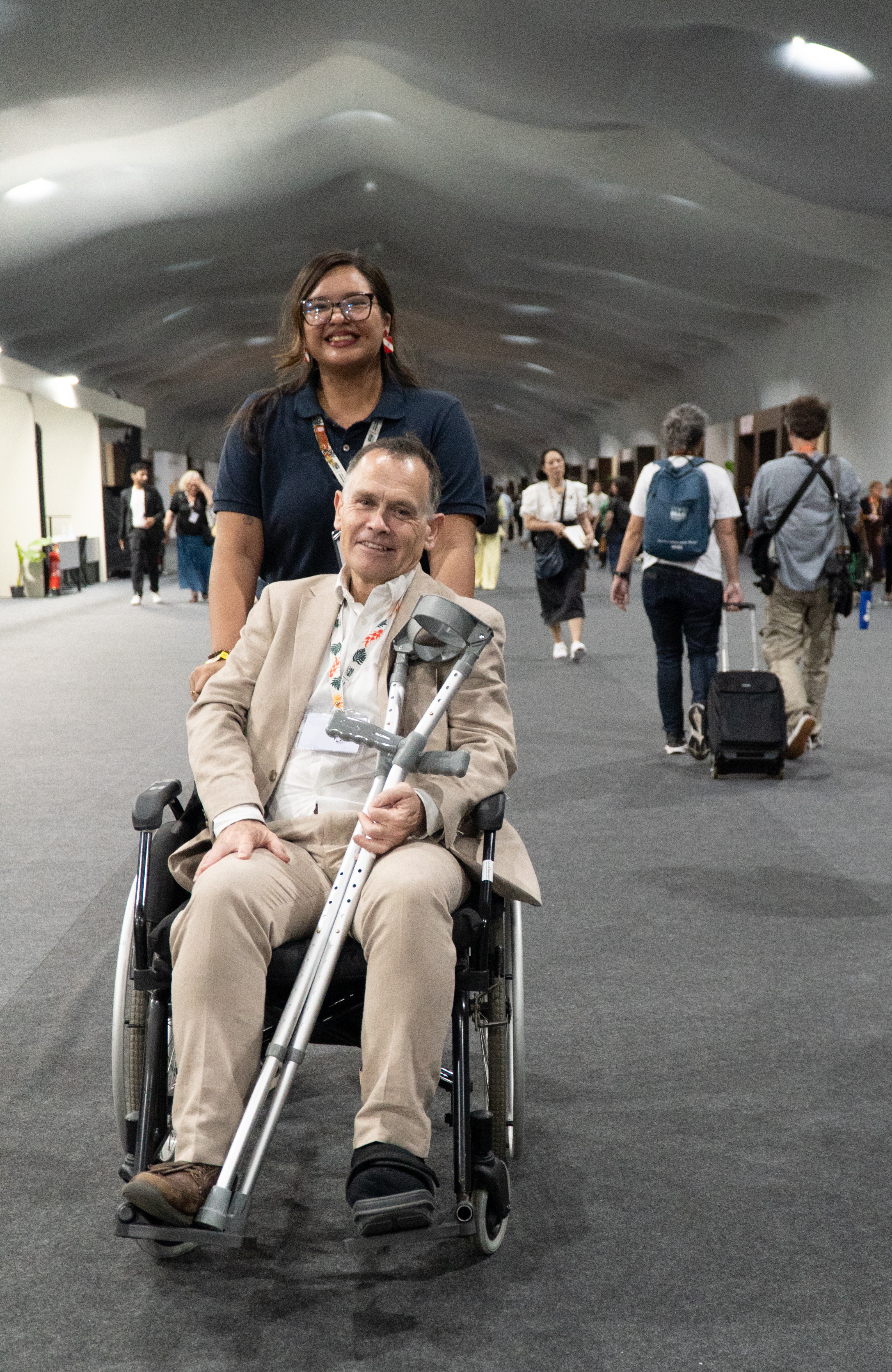
British professor Mike Jacobs also praised the quality of the support provided. Recovering from a recent foot surgery, he used the accessibility service and evaluated positively both the assistance offered by volunteers and the event’s infrastructure. “The volunteers were very friendly and helpful. I also noticed that the hallways are very wide, so there are no difficult sections to navigate with a wheelchair. It was a very well-planned detail for the event. I am truly satisfied,” he concluded.
According to Vanessa Cury, Accessibility Coordinator at the Extraordinary Secretariat for COP30 (Secop), all services comply with technical standards and Brazilian legislation related to inclusion. Implementation also observes the Sustainable Development Goals, especially SDG 10, which focuses on reducing inequalities, reinforcing the Conference’s commitment to full and equitable participation for all.
“Without a doubt, one of the highlights is the work of our volunteers, who are dedicated to welcoming and assisting people who use wheelchairs. In recent days, we have received numerous positive evaluations regarding the accessibility measures implemented at the event,” said Vanessa Cury.
Another service in high demand was the Decompression Room, which recorded 158 uses. The space provides a quiet environment to ensure self-regulation for individuals who need a calm setting during the event.
COP30 also offered other accessibility resources, including adapted restrooms and a nursing room. Over the course of the Conference, 29 hours and 30 minutes of Brazilian Sign Language (Libras) interpretation were provided in the Amazonas and Tocantins Plenaries. The service ensured full communication accessibility for participants with hearing disabilities, expanding inclusion in the official debates.