
From Belém to Antalya: COP30 Presidency brings implementation roadmaps and climate action agenda to COP31
With three new publications on energy, forests and climate finance, the Brazilian Presidency heads to COP31 with a full program of high-level events focused on turning climate commitments into action.
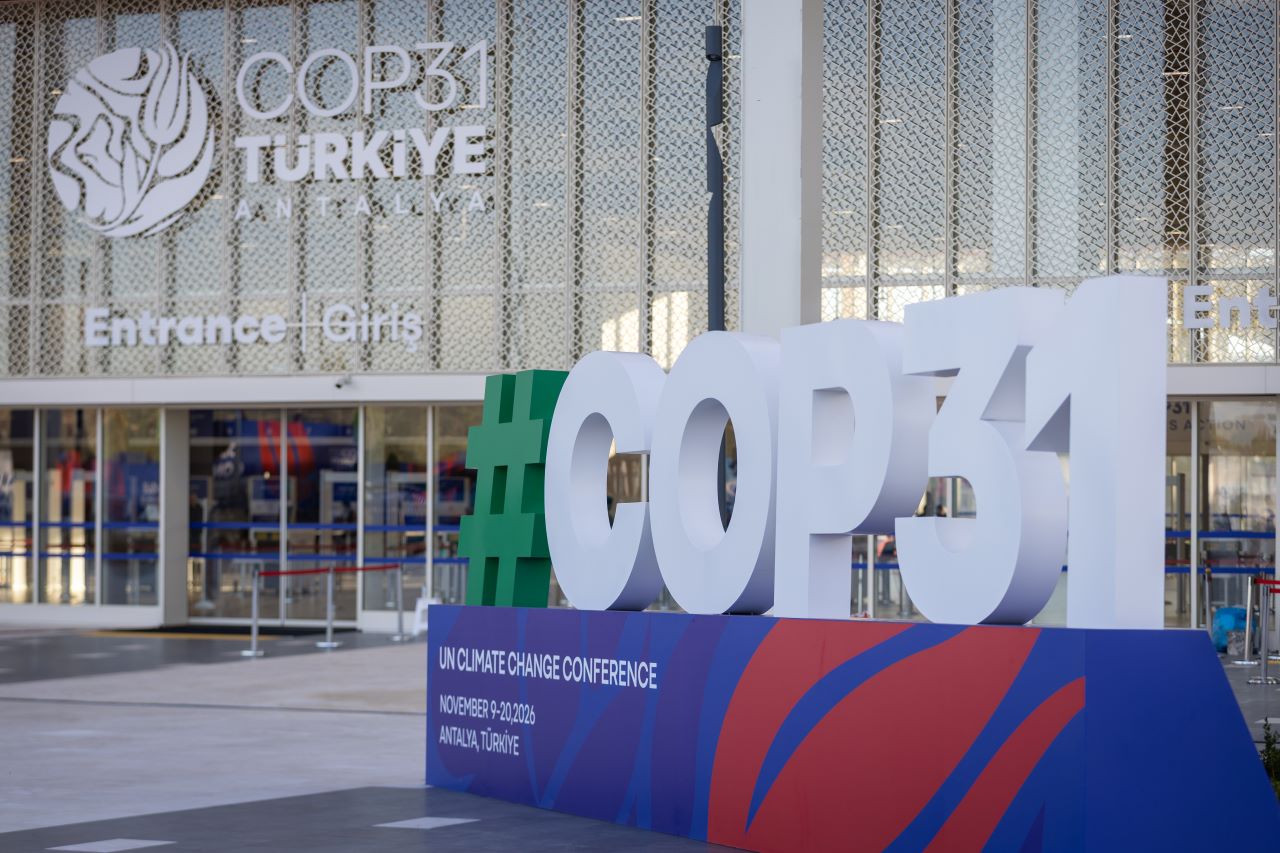
ANTALYA, Türkiye, November 8, 2026 — As the United Nations Climate Change Conference (COP31) opens in Antalya on November 9, the COP30 Presidency brings to Türkiye the results of a year dedicated to translating the commitments made in Belém into concrete action. Building on the outcomes of COP30, the Brazilian Presidency has pursued six priorities in 2026: developing international Roadmaps for transitioning away from fossil fuels and halting and reversing deforestation; advancing implementation of the Baku to Belém Roadmap to US$1.3 trillion; strengthening adaptation; accelerating the Global Climate Action Agenda; and advancing two initiatives mandated by the COP30 decisions — the Global Implementation Accelerator and the Belém Mission to 1.5. As Brazil prepares to hand over the COP Presidency to Türkiye, these efforts will be at the center of its participation in COP31, from November 9 to 20.
New Roadmaps: From commitments to implementation
Three major reports released in the days leading up to COP31 offer practical pathways for accelerating climate action in three closely interconnected areas: energy transition, forest protection and climate finance.
On November 3, COP30 President André Corrêa do Lago and CEO Ana Toni presented two international Roadmaps announced at the closing plenary in Belém, following President Luiz Inácio Lula da Silva's call for the world to move beyond declarations and accelerate implementation.
The Roadmap for Transitioning Away from Fossil Fuels in Energy Systems, in a Just, Orderly and Equitable Manner provides countries with a framework for assessing their readiness and identifying actions across energy demand, supply and economic systems. The Roadmap on Enhancing Efforts Towards Halting and Reversing Deforestation and Forest Degradation by 2030 identifies pathways for strengthening national forest strategies, international cooperation and financing to protect, sustainably manage and restore forests.
Developed through extensive international consultations, both Roadmaps are voluntary, non-prescriptive contributions from the COP30 Presidency. They build on commitments already agreed under the Paris Agreement and are not negotiated decisions or new obligations.
On Sunday, November 8, the Presidency is also releasing the COP30 Presidency Report on Implementing the Baku to Belém Roadmap to 1.3T. Building on the Roadmap presented jointly by the COP29 and COP30 Presidencies in November 2025, the new report explores how to accelerate efforts to mobilize at least US$1.3 trillion annually in climate finance for developing countries by 2035, from public and private sources. It examines financing pathways and the measures needed to turn financial commitments into investments and implementation.
Events: Strengthening the implementation agenda to COP31
Throughout the two weeks of COP31, the Brazilian Presidency will host, co-organize or participate in a series of high-level dialogues and technical discussions aimed at carrying forward the outcomes of Belém and building partnerships for implementation.
The two international Roadmaps will be presented at dedicated events on November 9 and 10, followed by sessions at the Brazil Pavilion focused on translating their proposals into action. Climate finance will feature prominently on November 13 and 14, with discussions on the Baku to Belém Roadmap and its implementation.
The program also includes high-level events on the Global Implementation Accelerator and Mission 1.5, two initiatives established by consensus at COP30 to help countries strengthen the implementation of their national climate commitments and accelerate collective progress toward the Paris Agreement's temperature goal.
On adaptation, the National Adaptation Plans Implementation Alliance (NIA), launched in Belém, will present an initial progress review, while discussions with partners from Latin America and the Caribbean will explore opportunities to translate national adaptation priorities into investments and action.
The Global Climate Action Agenda will showcase progress across its six thematic axes following a year of mobilization involving nearly 480 initiatives and coalitions and more than 100 Plans to Accelerate Solutions. The Action Agenda will also have a dedicated presence in the Global Mutirão Room at the Brazil Pavilion, creating opportunities for governments, businesses, investors, cities and civil society to connect solutions and strengthen collaboration.
Next to the Global Mutirão Room, the Belém Room at the Brazil Pavilion will host debates on topics relevant to Brazilian society, highlighting national experiences in implementing the climate agenda and their contribution to meeting the global commitments. Organized by the Ministry of Environment and Climate Change of Brazil, alongside the COP30 Presidency and the Brazilian Trade and Investment Promotion Agency, the Pavilion will bring together representatives of governments, Indigenous peoples and traditional communities, the private sector, academia, civil society organizations, and international bodies.
Other highlights include discussions on the Tropical Forest Forever Facility (TFFF), the future of the UN climate process, the connection between climate action and people's everyday lives, and the legacy of the COP30 Youth Mutirão.
Carrying the spirit of the Global Mutirão forward
The COP30 Presidency's work has been guided by three interconnected objectives: strengthening multilateralism, connecting the climate regime to people's lives, and accelerating implementation of the Paris Agreement.
In Belém, multilateralism was reaffirmed through 29 decisions adopted by consensus, including advances on adaptation, just transition and climate finance. An unprecedented mobilization brought Indigenous Peoples, traditional communities, young people and civil society closer to the climate process, while the Global Climate Action Agenda established a stronger platform for connecting international commitments with action in the real economy.
The Roadmaps and initiatives advanced throughout 2026 build on these achievements, demonstrating how international cooperation can move from negotiated agreements to practical implementation.
As COP31 begins, the Brazilian Presidency expresses confidence that these three objectives will continue to guide collective efforts under the incoming Presidency of Türkiye, working in partnership with Australia and the broader international community. The transition from Belém to Antalya is an opportunity to sustain the spirit of the Global Mutirão — turning commitments into cooperation, and cooperation into results for people and the planet.
COP30 Presidency at COP31 — Selected Events
All times are local to Antalya, Türkiye (UTC+3). The program is subject to updates.
Monday, November 9
13:00–15:00 — Presentation of the COP30 Presidency Roadmap on Enhancing Efforts Towards Halting and Reversing Deforestation and Forest Degradation by 2030. GCAA Room 2 – Likya.
17:45–18:45 — Brazil Pavilion Opening Ceremony. Brazil Pavilion.
Tuesday, November 10
10:00–13:00 — Baku High-Level Dialogue on Adaptation. Meeting Room 19.
13:00–15:00 — Presentation of the COP30 Presidency Roadmap for Transitioning Away from Fossil Fuels in Energy Systems, in a just, orderly and equitable manner, accelerating action in this critical decade, so as to achieve net zero by 2050 in keeping with the science. Plenary 2 – Akdeniz
17:00–19:00 — Opening Global Climate Action Event. GCAA Room 4 – Perge
Wednesday, November 11
13:00–14:00 — Global Implementation Accelerator (GIA): Info Session. Meeting Room 19.
15:15–16:15 — Implementing the Roadmap on Transitioning Away from Fossil Fuels: Partnerships for Action in the Next Critical Decade. Brazil Pavilion – Global Mutirão Room
Thursday, November 12
10:15–11:15 — Accelerating National Adaptation Plan Implementation: Experiences from Latin America and the Caribbean. Brazil Pavilion – Global Mutirão Room.
11:30–12:30 — Connecting Climate Action to People's Lives: Lessons Learned at COP30. Brazil Pavilion – Global Mutirão Room.
15:15–16:15 — From Roadmap to Implementation: Mobilizing Collective Action for Halting and Reversing Forest Degradation by 2030. Brazil Pavilion – Global Mutirão Room.
Friday, November 13
10:15–11:15 — One Action Agenda, All Year Round: Climate Weeks Driving Implementation in 2027. Brazil Pavilion – Global Mutirão Room.
13:00–15:00 — High-Level Event to Exchange Experiences and Views on Matters Related to the Global Implementation Accelerator. Plenary 2 - Akdeniz.
16:00–18:00 — Presentation of the report Implementing the Baku to Belém Roadmap to 1.3T. GCAA Room 2 – Likya.
Saturday, November 14
14:00–15:00 — Implementing the Baku to Belém Roadmap to 1.3T. Brazil Pavilion – Global Mutirão Room.
16:00–18:00 — National Adaptation Plan Implementation Alliance: Progress and Next Steps. GCAA Room 2 – Likya.
Monday, November 16
13:00–15:00 — High-Level Event on the Belém Mission to 1.5. UNFCCC Meeting Room (to be confirmed).
16:45–18:15 — Tropical Forest Forever Facility (TFFF): Scaling Up Permanent Finance for Standing Tropical Forests. Side Event Room 4
Tuesday, November 17
17:30–19:30 — COP30 Presidency – Fit for Implementation: Dialogue on the Future of the Process. GCAA Room 2 – Likya.
17:45–18:45 — Youth Mutirão: COP30 Legacies for Children and Young People. Brazil Pavilion – Global Mutirão Room.
Thursday, November 19
14:00–16:00 — Mandated High-Level Event of Global Climate Action. Plenary 2 – Akdeniz.
For updated information and daily briefs, follow: COP30 Presidency website and COP30 WhatsApp channel.