

Brasil prepares ‘COP Village’ for record indigenous participation
Located at the Federal University of Pará (Universidade Federal do Pará/UFPA), the site will accommodate approximately 3,000 Indigenous people from Brasil and around the world. The Brazilian government anticipates the conference will feature a historic number of Indigenous participants
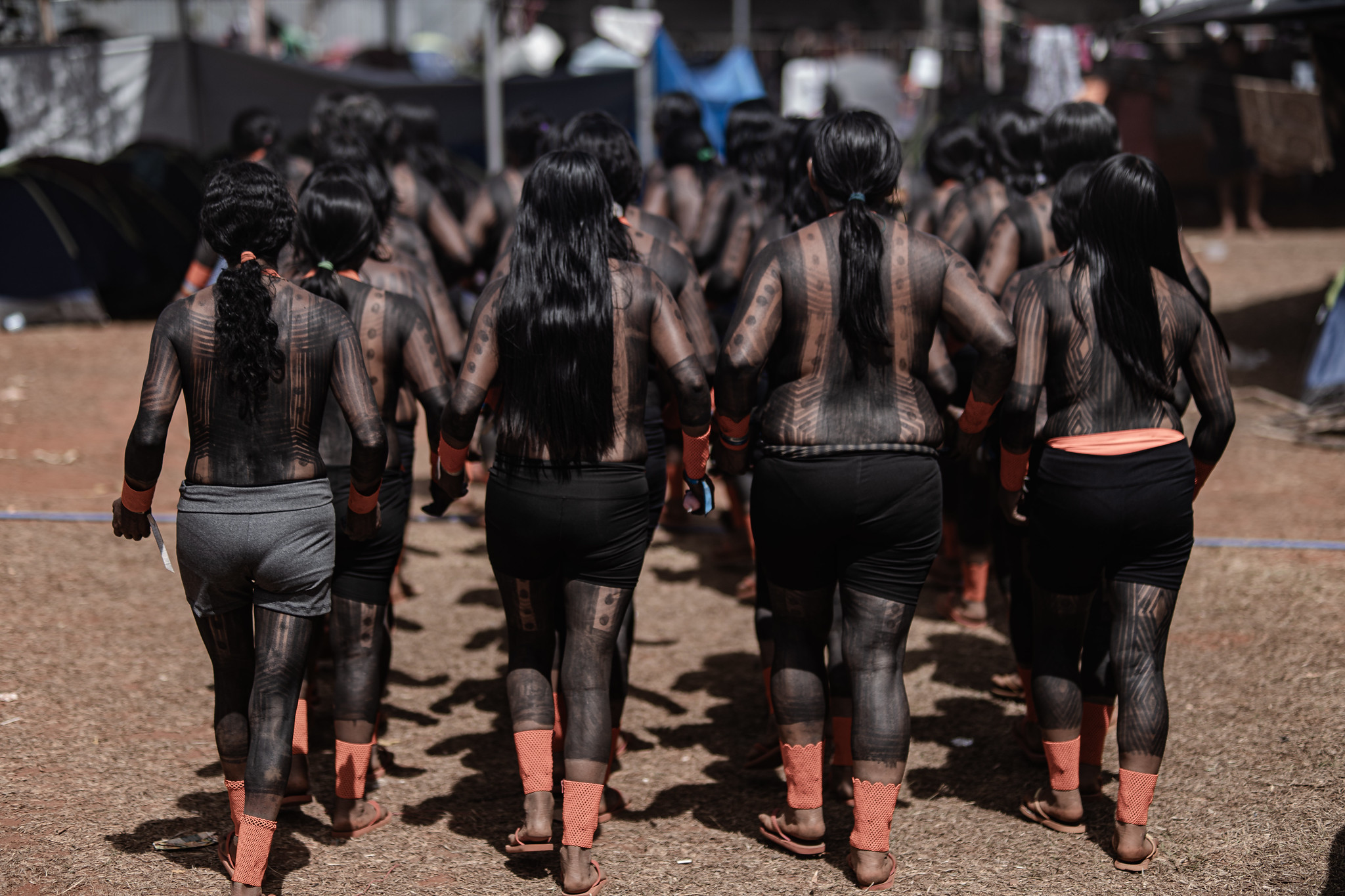
By Mayara Souto /COP30
The Brazilian government is organizing a “COP Village” to host Indigenous peoples worldwide during COP30. The campsite, located at the UFPA, is expected to accommodate over 3,000 Indigenous participants. The goal is to achieve historic levels of Indigenous representation at the UN Framework Convention on Climate Change (UNFCCC) conference in Brasil.
On Friday, August 8, Sonia Guajajara, Minister of Indigenous Peoples, stated during the fifth meeting of the International Commission of Indigenous Peoples that "until now, the maximum number of indigenous people from around the world who participated was 350, at COP21 in Paris in 2015, and also at COP28 in Dubai. And now we are requesting from the COP presidency a maximum number of 500 indigenous people from Brasil and 500 indigenous people from all other parts of the world. So, we are talking about a thousand indigenous people with accreditation in the Blue Zone."
The Brazilian minister also explained that other Indigenous representatives will participate in the Green Zone, which is open to civil society observers outside the UNFCCC negotiation area. In addition, Belém will host the People’s Summit, bringing together civil society members to discuss climate justice.
For these reasons, around 3,000 indigenous people are expected to gather in the capital of Pará during the Conference. There is a particular expectation of greater participation in climate negotiations. “We have been discussing with the presidency an increase in indigenous accreditation, so that we have the largest indigenous delegation in history at this COP,” said Ms. Guajajara, who explained that the request to include indigenous people in the delegations will be made directly to the countries participating in COP30.
All indigenous people can stay at the “COP Village,” but due to space limitations, it is necessary to send a list of participants to the International Commission of Indigenous Peoples.
“We are working hard to increase this indigenous representation, not only in terms of the number of people, but also in terms of the quality of participation. We want them to have a direct presence and the opportunity to engage in direct dialogue with other international actors, whether from countries or philanthropic organizations,” the minister added.
“We are working hard to increase this indigenous representation, not only in terms of the number of people, but also in terms of the quality of participation. We want them to have a direct presence and the opportunity to engage in direct dialogue with other international actors, whether from countries or philanthropic organizations,” the minister added.
During the meeting, the commission welcomed representatives from multiple embassies to urge other nations to include more indigenous individuals in their official delegations.
Indigenous people from other countries in the Amazônia region are particularly interested in participating in the debate because they experience the effects of climate change firsthand. The fact that the conference is taking place within their native forest provides an opportunity to address their needs.
"We see this COP as perhaps one of our last hopes to raise awareness of our situation in the Amazônia Basin and put it on the global agenda. We want to raise awareness of all the risks and threats indigenous peoples face and how their territories are affected by oil and mining companies. We also want to tell the world about the great contributions we make that go unnoticed. We want to continue emphasizing that we know how to help mitigate these situations. We are at a decisive moment of no return," warned Ms. Patricia Suárez Torres, representative of the indigenous peoples of the Amazônia Basin—which includes, in addition to Brasil, the following South American countries are part of this region: Bolivia, Colombia, Ecuador, Guyana, French Guiana, Peru, Suriname, and Venezuela.
Integration
The International Commission of Indigenous Peoples is one of the organizations that comprise the Circle of Peoples, an initiative of COP30 that aims to amplify the voices and contributions of indigenous peoples, traditional communities, and Afro-descendant communities. Minister Sonia Guajajara leads this Circle.
For this reason, the group's meeting included brief presentations from the Finance Circle and the Global Ethical Stocktake Circle. These circles are seeking integration with the other COP30 working groups. The Circles are an initiative of the COP Presidency, designed to enhance the mobilization and coordination of climate change-related themes.
Other topics discussed at the meeting included using digital technologies to increase Indigenous participation in COP30 discussions and organizing the Indigenous space in the Green Zone. The Indigenous Caucus, the official Indigenous representation within the UNFCCC, is coordinating this space.
English version: Trad. Bárbara Menezes.
Proofreading by Enrique Villamil.